

North Korea punishes former military official for 'mega-scale corruption'
Translated from Korean, summarized and contextualized by DistantNews.
At a glance
News
Official statement
Outcome reported
- North Korean leader Kim Jong Un held a joint meeting of the Workers' Party, government, and military.
- The meeting addressed allegations of "mega-scale corruption" against Pak Hui-chol, former deputy director of the military's General Political Bureau.
- Pak and his associates are accused of abusing power and accepting bribes over the past four years, with Pak allegedly placing allies in key positions.
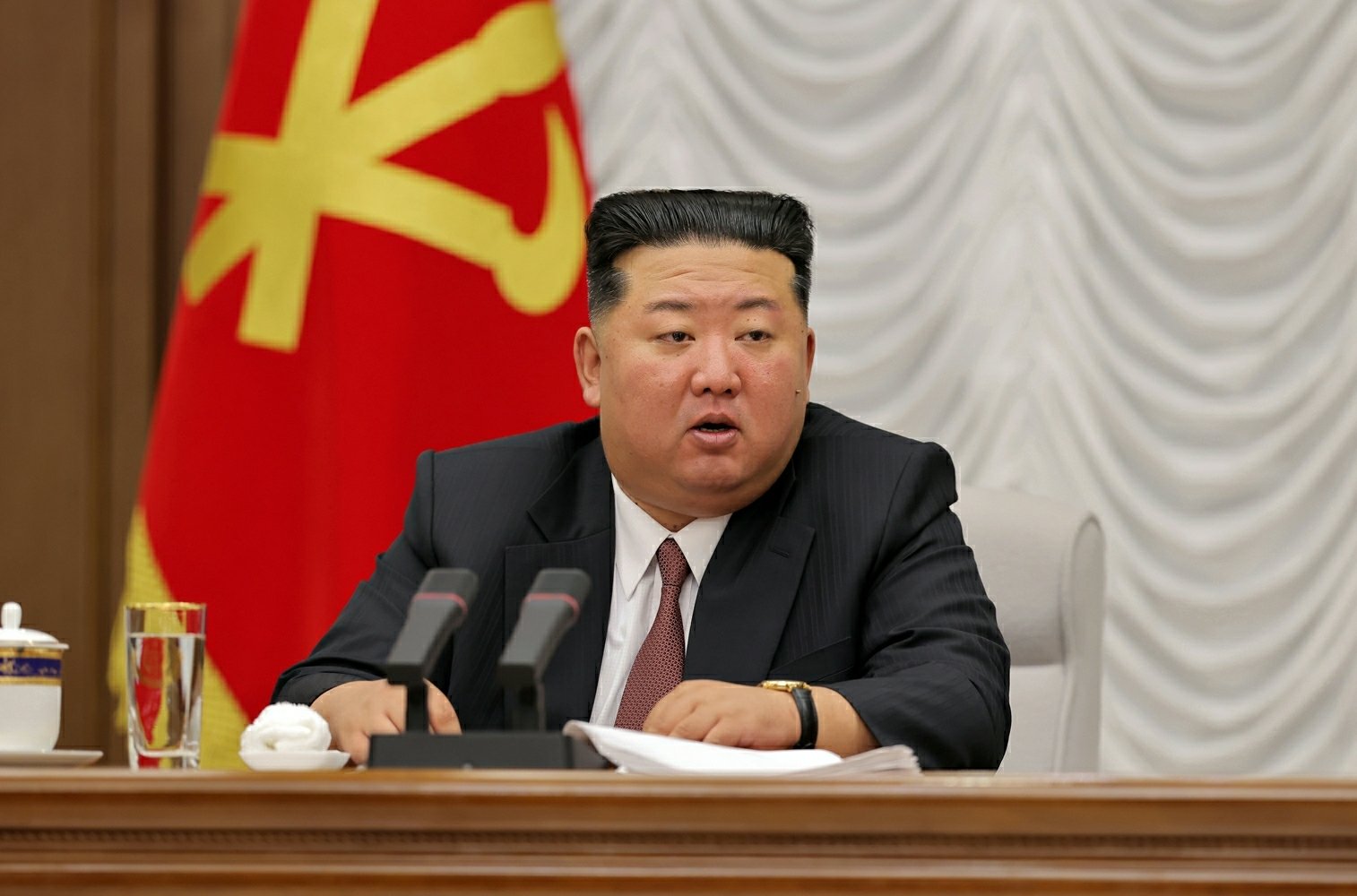
North Korean leader Kim Jong Un has publicly addressed allegations of "mega-scale corruption" against a high-ranking military official. During a joint meeting of the Workers' Party, government, and military held in Pyongyang, Pak Hui-chol, the former deputy director of the military's General Political Bureau, and his associates were accused of corrupt practices.
The Rodong Sinmun, the official newspaper of the North Korean Workers' Party, reported on July 11 that materials detailing Pak's alleged corruption were presented at the meeting. Pak is accused of abusing his authority and accepting bribes over the last four years. He also allegedly used his influence to appoint his close associates to key positions within the military's organizational and personnel departments.
The General Political Bureau is a crucial organ within the North Korean military, overseeing party organizations and ideological work. It monitors the implementation of the party's directives and policies within the armed forces through political commissars and instructors dispatched to various units. Given its role in organizational, personnel, and ideological control, the bureau wields significant influence within the military. The specific and public disclosure of corruption charges against a senior official in this key political institution, along with the announcement of punishment, is considered unusual for North Korea.
DistantNews Editorial
Originally published by Dong-A Ilbo in Korean. Translated, summarized, and contextualized by our editorial team with added local perspective. Read our editorial standards.
More Stories

From Our Blog

What Gets Lost (and Found) When News Is Translated

The Critical Role of Diaspora Media in Global News

What Travellers Should Know About Countries with Restricted Press

A Digital Nomad's Guide to Following Local News

How the Same Story Looks Different in Different Countries
