


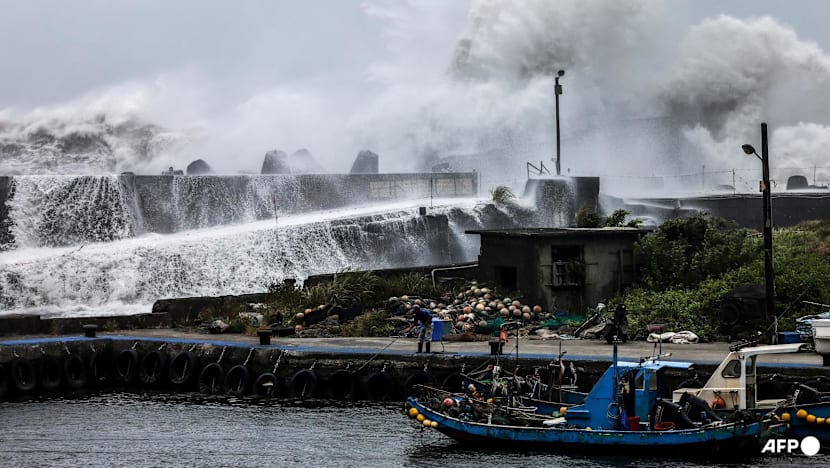
North Korea Urges 'Maximum Vigilance' as Typhoon Bavi Approaches
Translated from English, summarized and contextualized by DistantNews.
At a glance
News
Sources not specified
Ongoing story
- North Korea is urging "maximum vigilance" as Typhoon Bavi approaches, warning of heavy rain and strong winds.
- Leader Kim Jong Un emphasized the need to minimize damage due to the country's weak infrastructure.
- Heavy rains have recently affected South Korea, causing flooding and one reported missing person.
North Korea has issued a high alert as Typhoon Bavi nears, with leader Kim Jong Un calling for "maximum vigilance" to prevent damage from expected heavy rain and strong winds. The isolated nation's vulnerable infrastructure and economy mean natural disasters often have a disproportionate impact.
The state-run Rodong Sinmun newspaper reported that the country's weather agency has issued warnings for significant rainfall, with forecasts of 80mm to 120mm in northern and central regions, and potentially 150mm to 200mm in southern areas. Winds are also expected to reach 10m to 15m per second along the west coast and in some inland areas. The typhoon is predicted to weaken before crossing the country.
North Korea has reportedly intensified its disaster prevention efforts in recent weeks. Meanwhile, South Korea has also experienced severe weather, with recent heavy rains causing flooding and stranding hundreds of residents. A man in his 70s was reported missing after being swept away by a swollen river.
Scientists note that human-driven climate change is increasing the frequency and intensity of extreme weather events. Both Koreas experienced their warmest June on record this year, and the return of El Nino, a natural Pacific warming pattern, adds to the risks of extreme weather across Asia.
All officials and workers are urged to remain on maximum vigilance and take steps to minimise damage.
DistantNews Editorial
Originally published by CNA in English. Translated, summarized, and contextualized by our editorial team with added local perspective. Read our editorial standards.
More Stories


From Our Blog

What Gets Lost (and Found) When News Is Translated

The Critical Role of Diaspora Media in Global News

What Travellers Should Know About Countries with Restricted Press

A Digital Nomad's Guide to Following Local News

How the Same Story Looks Different in Different Countries
