


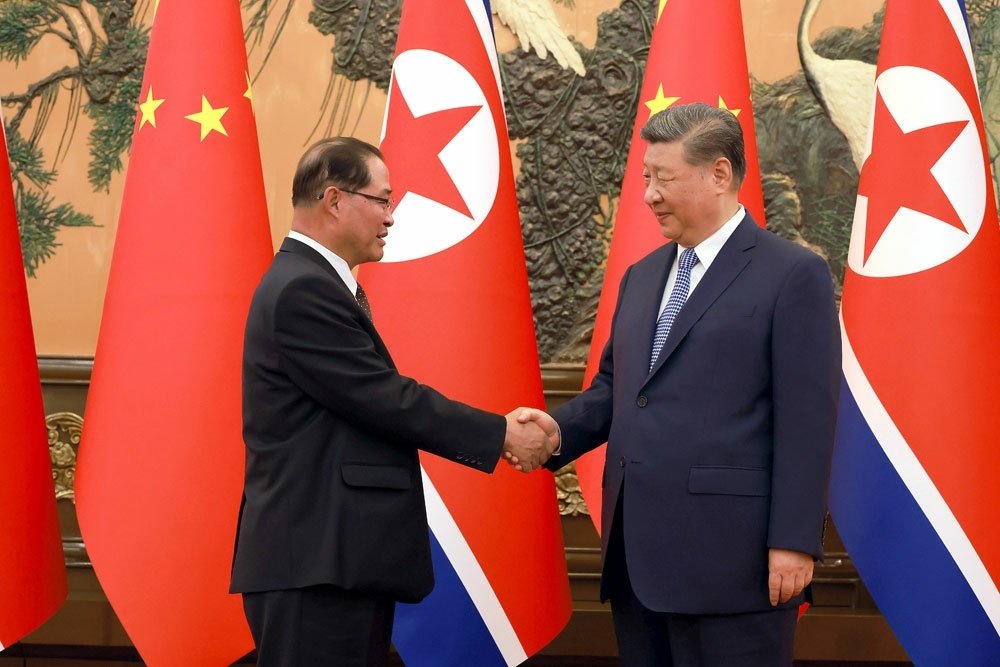
North Korean Premier visits China, inspects economic infrastructure
Translated from Korean, summarized and contextualized by DistantNews.
At a glance
News
Named sources
Outcome reported
- North Korean Premier Pak Thae-song visited China, inspecting economic infrastructure and resource recycling facilities.
- The visit included meetings with China's top leadership, signaling a renewed commitment to economic cooperation.
- China's resource recycling and urban rail systems are seen as potential models for North Korea's modernization efforts.
North Korean Premier Pak Thae-song concluded a visit to China by inspecting advanced economic infrastructure, including resource recycling facilities and urban rail control systems. The trip, aimed at strengthening economic cooperation, saw Pak meet with China's top leadership, including President Xi Jinping, Premier Li Qiang, and Zhao Leji, the third-highest-ranking official.
During his visit, Pak toured China's resource recycling group, a state-owned enterprise focused on reclaiming strategic resources like scrap metal and electronic waste. This aligns with North Korea's recent emphasis on "re-resource utilization" as a key economic policy. The inspection provided a direct look at China's national resource recycling strategy, which could inform North Korea's own efforts to adopt similar systems.
Pak also visited Beijing's rail transit command center, a facility that manages the city's subway operations in real-time. This visit echoes previous trips by North Korean leader Kim Jong Un and suggests potential cooperation in modernizing Pyongyang's urban transport infrastructure. The focus on industrial modernization and infrastructure highlights North Korea's urgent need for economic development and its reliance on Chinese expertise.
Concluding his trip, Pak sent a thank-you message to Premier Li Qiang, expressing gratitude for the successful visit and reaffirming the commitment to strengthening traditional Sino-Korean friendly relations. The high-level meetings and infrastructure inspections underscore both nations' desire to deepen economic ties and modernize their respective economies.
The visit of our delegation to China could contribute to further consolidating and developing the traditional friendly and cooperative relations between the DPRK and China.
DistantNews Editorial
Originally published by Dong-A Ilbo in Korean. Translated, summarized, and contextualized by our editorial team with added local perspective. Read our editorial standards.
More Stories



From Our Blog

What Gets Lost (and Found) When News Is Translated

The Critical Role of Diaspora Media in Global News

What Travellers Should Know About Countries with Restricted Press

A Digital Nomad's Guide to Following Local News

How the Same Story Looks Different in Different Countries
