

Norway Joins French Nuclear Initiative Amid Russian Threat
Translated from Romanian, summarized and contextualized by DistantNews.
At a glance
News
Sources not specified
Context piece
- Norway is joining France's initiative on strengthening European nuclear cooperation, signaling a strategic shift amid Russia's war in Ukraine and U.S. support uncertainties.
- The move includes participation in discussions about the role of French nuclear weapons in European security and deterrence.
- Norway will continue to rely primarily on NATO for its security but acknowledges the proximity of Russian nuclear assets near its borders.
Norway is aligning itself with France's initiative to bolster European nuclear cooperation, a significant strategic adjustment in response to Russia's ongoing war in Ukraine and growing uncertainties surrounding future American support. This decision places Norway, traditionally a close U.S. ally, within a French-led framework exploring the role of nuclear weapons in European security.
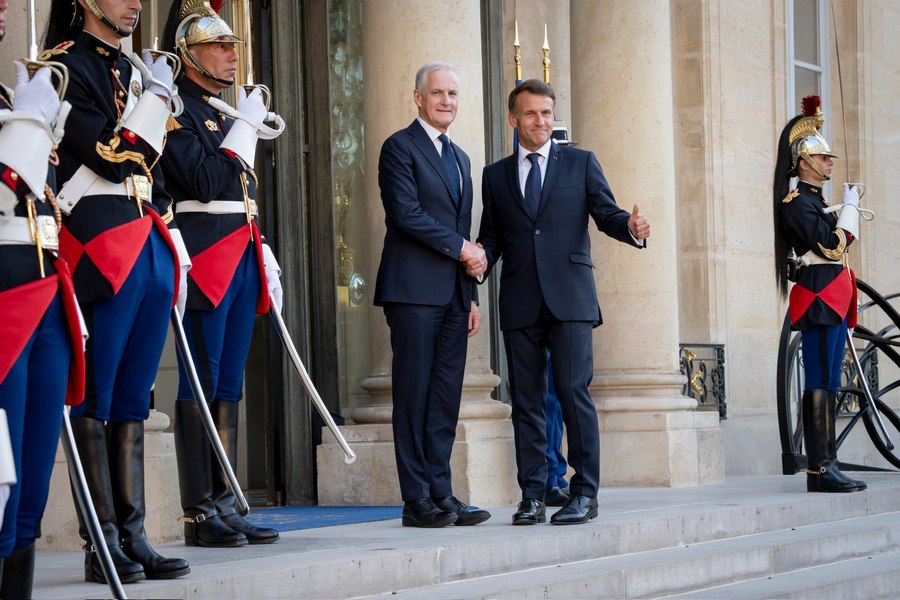
Announced in Paris by Norwegian Prime Minister Jonas Gahr Støre and French President Emmanuel Macron, Norway will join nine other European nations in discussions concerning the contribution of French nuclear arsenal to European security and deterrence. "Together with nine other European states, Norway will take part in your initiative on how the French nuclear arsenal can contribute to security and deterrence in Europe," stated the Norwegian Prime Minister during a joint press conference.
Prime Minister Støre highlighted the strategic implications of Russia's nuclear presence near Norway's borders. "The majority of Russia's nuclear arsenal is located in the Far North, just a few kilometers from Norway," he noted. Despite this, Støre emphasized that Norway's primary security reliance remains with NATO. Earlier in March, President Macron had indicated that Germany, Poland, Greece, the Netherlands, Belgium, Denmark, and Sweden had expressed interest in closer nuclear cooperation with Paris.
The French initiative encompasses joint nuclear exercises, information sharing, and the potential temporary deployment of Rafale aircraft capable of carrying nuclear weapons. This concept is described in Paris as "advanced nuclear deterrence." Confidential negotiations have reportedly begun with some participating states. Concurrently, France and Norway signed a comprehensive bilateral defense and security agreement, the "Narvik agreement," focusing on mutual support, enhanced military cooperation, and collaboration in areas such as air defense, Arctic security, and space. Prime Minister Støre reiterated that the decision stems from the current European security context, including Russia's massive rearmament, particularly in the nuclear domain, and its large-scale war against another European country.
Facem acest lucru având în vedere situația de securitate din Europa, inclusiv reînarmarea masivă a Rusiei, inclusiv în domeniul nuclear, precum și faptul că aceasta poartă un război de amploare împotriva unei alte țări europene
DistantNews Editorial
Originally published by Adevărul in Romanian. Translated, summarized, and contextualized by our editorial team with added local perspective. Read our editorial standards.
More Stories
From Our Blog

What Gets Lost (and Found) When News Is Translated

The Critical Role of Diaspora Media in Global News

What Travellers Should Know About Countries with Restricted Press

A Digital Nomad's Guide to Following Local News

How the Same Story Looks Different in Different Countries
