

Norway to Proceed with Arctic Oil and Gas Extraction, Defying EU Stance
Translated from German, summarized and contextualized by DistantNews.
At a glance
News
Named sources
New plan
- Norway will proceed with oil and gas extraction in the Arctic Barents Sea, despite potential opposition from the EU.
- Energy Minister Terje Aasland stated that Norway will develop these areas and leave it to the EU to decide on an embargo for the extracted resources.
- The move comes as Norway has become Europe's largest gas supplier following Russia's invasion of Ukraine, aiming to maintain current production levels until at least 2035.
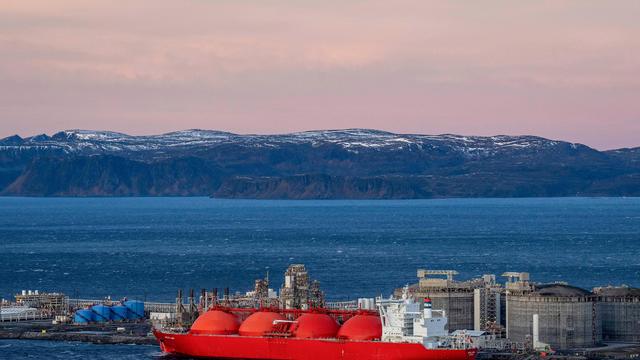
Norway is set to move forward with its plans for oil and gas extraction in the Arctic Barents Sea, a decision that places the country on a collision course with the European Union. Energy Minister Terje Aasland affirmed that Norway will develop these resource-rich areas, placing the onus on the EU to decide whether to impose a moratorium on purchasing the gas or oil.
Aasland argued that continued activity in the Barents Sea serves both Norwegian and European interests, citing the current geopolitical security situation and resource scarcity. While the EU generally advocates for a ban on new Arctic drilling due to environmental concerns, it is reportedly reconsidering its policy amidst energy security worries.
Then it is up to the EU to decide whether it wants to impose a moratorium on the purchase of this gas or oil.
Since Russia's 2022 invasion of Ukraine, Norway has ascended to become Europe's primary gas supplier, meeting approximately 30 percent of the EU and UK's demand. The nation intends to sustain its oil and gas production at current levels until at least 2035. However, official forecasts indicate a significant decline in production after 2030 without the development of new reserves.
Anders Opedal, CEO of Norwegian energy giant Equinor, warned that oil and liquefied natural gas (LNG) from the Barents Sea could be supplied globally if the EU rejects them. He stated, "The only thing that will suffer is actually European security." Meanwhile, German energy company Uniper has signed a long-term gas supply contract with Equinor, agreeing to purchase over 30 terawatt-hours of natural gas annually from 2027 to 2041, enough to power more than two million German households each year.
The only thing that will suffer is actually European security.
DistantNews Editorial
Originally published by Die Zeit in German. Translated, summarized, and contextualized by our editorial team with added local perspective. Read our editorial standards.
More Stories

From Our Blog

What Gets Lost (and Found) When News Is Translated

How the Same Story Looks Different in Different Countries

The Critical Role of Diaspora Media in Global News

What Travellers Should Know About Countries with Restricted Press

A Digital Nomad's Guide to Following Local News
