


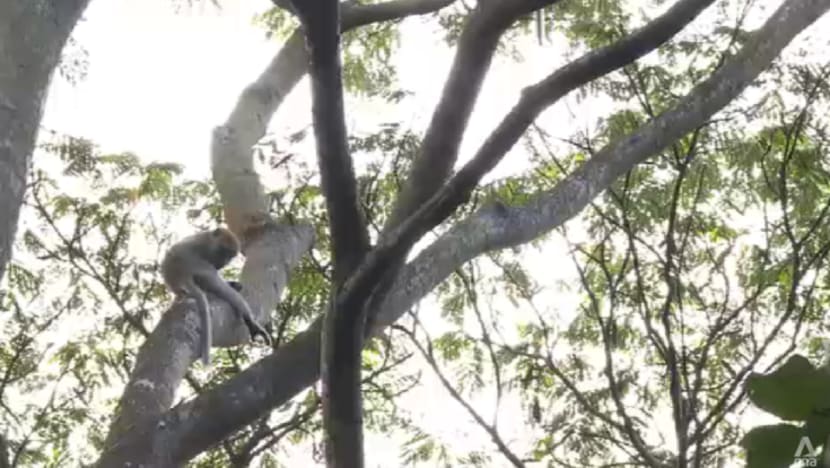
NParks sterilising long-tailed macaques at Maju Forest to manage population
Summarized and contextualized by DistantNews.
At a glance
News
Named sources
Context piece
- Singapore's National Parks Board (NParks) is sterilizing long-tailed macaques in Maju Forest to control population numbers.
- The program began in June due to resident complaints about macaques entering homes.
- Efforts include minimizing food sources, public education, and patrols, with experts emphasizing habitat and community engagement for success.
Singapore is employing sterilization as a key strategy to manage the long-tailed macaque population in Maju Forest, a move initiated in June following increased reports of the animals entering residential homes. The National Parks Board (NParks) is implementing a multi-pronged approach that includes reducing human-provided food sources, expanding outreach to educate residents on safe interactions with macaques, and deploying specialized patrols.
We are working with relevant authorities and the community on a multi-pronged approach.
This initiative comes as Singapore has seen a significant rise in monkey-related feedback, with the government receiving approximately 2,500 cases annually between 2017 and 2022, a 35% increase from the previous decade. Unlike culling, sterilization aims to maintain troop structures while gradually reducing birth rates. NParks has established an enclosure in Maju Forest to facilitate the trapping and sterilization process.
Experts highlight that the program's success hinges on more than just population control. Primatologist Andie Ang stresses the importance of preserving sufficient natural habitats and ensuring consistent monkey guarding in high-activity areas. Ang also advocates for town hall meetings to educate residents on proper conduct when encountering macaques and to explain the sterilization efforts.
It would be good to organise town halls with the residents, to explain the Do's and Don'ts when encountering macaques, and their sterilisation programme.
Wildlife advocacy group ACRES cautions that macaque troop fragmentation can occur during sterilization or due to development. This poses a particular challenge in Singapore's urban landscape, where displaced macaques risk becoming stranded in the city, underscoring the need for careful habitat and community management alongside population control measures.
In our urban wild context, it's a bit different because once they leave, they're going to be stranded in the middle of our city.
DistantNews Editorial
Originally published by CNA. Summarized and contextualized by our editorial team with added local perspective. Read our editorial standards.
More Stories



From Our Blog

What Gets Lost (and Found) When News Is Translated

The Critical Role of Diaspora Media in Global News

What Travellers Should Know About Countries with Restricted Press

A Digital Nomad's Guide to Following Local News

How the Same Story Looks Different in Different Countries
