

Nuclear Power: Romania Shuts Down Another Reactor Due to Low Water
Translated from German, summarized and contextualized by DistantNews.
At a glance
News
Sources not specified
Ongoing story
- Romania has temporarily shut down a second nuclear reactor at the Cernavodă power plant due to low water levels in the Danube River.
- This is the first time both reactors have been simultaneously offline due to low water levels, which are needed for cooling.
- Low water levels in European rivers, including the Danube, are impacting nuclear power generation in countries like Hungary and affecting shipping.
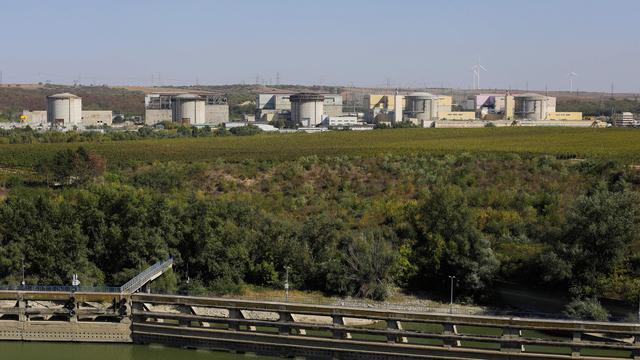
Romania has temporarily shut down a second nuclear reactor at its sole nuclear power plant in Cernavodă due to critically low water levels in the Danube River. The Romanian Ministry of Energy announced that Reactor 2 would be taken offline starting Thursday morning, citing "unfavorable hydrological conditions."
This follows the recent temporary shutdown of the plant's first reactor. It marks the first instance where both reactors at the Cernavodă facility have been simultaneously unavailable due to low water levels, which are essential for the plant's cooling systems. The Danube's water level has dropped to a historic low, attributed to a lack of rainfall and multiple heatwaves affecting the region.
Nuclear power plants in Europe, particularly in Eastern European countries like Romania, the Czech Republic, and Slovakia, rely on significant water resources for operation. France, which generates about 65% of its electricity from nuclear power, also faces challenges with water availability. Neighboring Hungary has also had to reduce its nuclear power production because of similar low water levels in its rivers.
The low water levels are not only impacting energy production but also posing significant challenges for river navigation across Europe. Major rivers like the Rhine and Elbe in Germany are experiencing drastically reduced water levels, forcing cargo ships to carry lighter loads, disrupting supply chains.
DistantNews Editorial
Originally published by Die Zeit in German. Translated, summarized, and contextualized by our editorial team with added local perspective. Read our editorial standards.
More Stories
From Our Blog

What Gets Lost (and Found) When News Is Translated

How the Same Story Looks Different in Different Countries

The Critical Role of Diaspora Media in Global News

What Travellers Should Know About Countries with Restricted Press

A Digital Nomad's Guide to Following Local News
