


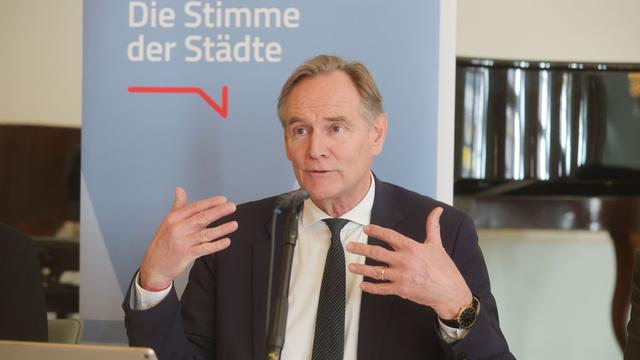
Nursing Reform Severely Burdens Municipalities, German Cities Association Shocked
Translated from German, summarized and contextualized by DistantNews.
At a glance
News
Official statement
New plan
- Germany's municipal association (Städtetag) expresses shock over the significant financial burden the proposed nursing reform places on local governments.
- The association warns that the reform, intended to improve care, will disproportionately strain municipal budgets.
- Städtetag calls for a reassessment of the reform's financial implications to prevent severe economic consequences for cities.
The German Association of Cities (Städtetag) has voiced profound shock and concern regarding the impending nursing reform, warning that it will impose a massive financial burden on municipalities. The association argues that the reform's implementation will severely strain local government budgets, potentially jeopardizing essential services.
Städtetag officials stated that while the reform aims to enhance nursing care, its financial structure is deeply flawed. They contend that the costs associated with the reform have not been adequately allocated, leaving cities to shoulder a disproportionate share of the expenses. This, they fear, could lead to significant cuts in other vital areas of municipal responsibility.
The association is urging a swift re-evaluation of the reform's financial framework. They emphasize the need for a sustainable funding model that does not cripple local authorities. Failure to address these financial concerns, Städtetag warns, could have severe and lasting negative consequences for Germany's cities and their ability to provide necessary care and services to their residents.
DistantNews Editorial
Originally published by Die Zeit in German. Translated, summarized, and contextualized by our editorial team with added local perspective. Read our editorial standards.
More Stories



From Our Blog

What Gets Lost (and Found) When News Is Translated

How the Same Story Looks Different in Different Countries

The Critical Role of Diaspora Media in Global News

What Travellers Should Know About Countries with Restricted Press

A Digital Nomad's Guide to Following Local News
