


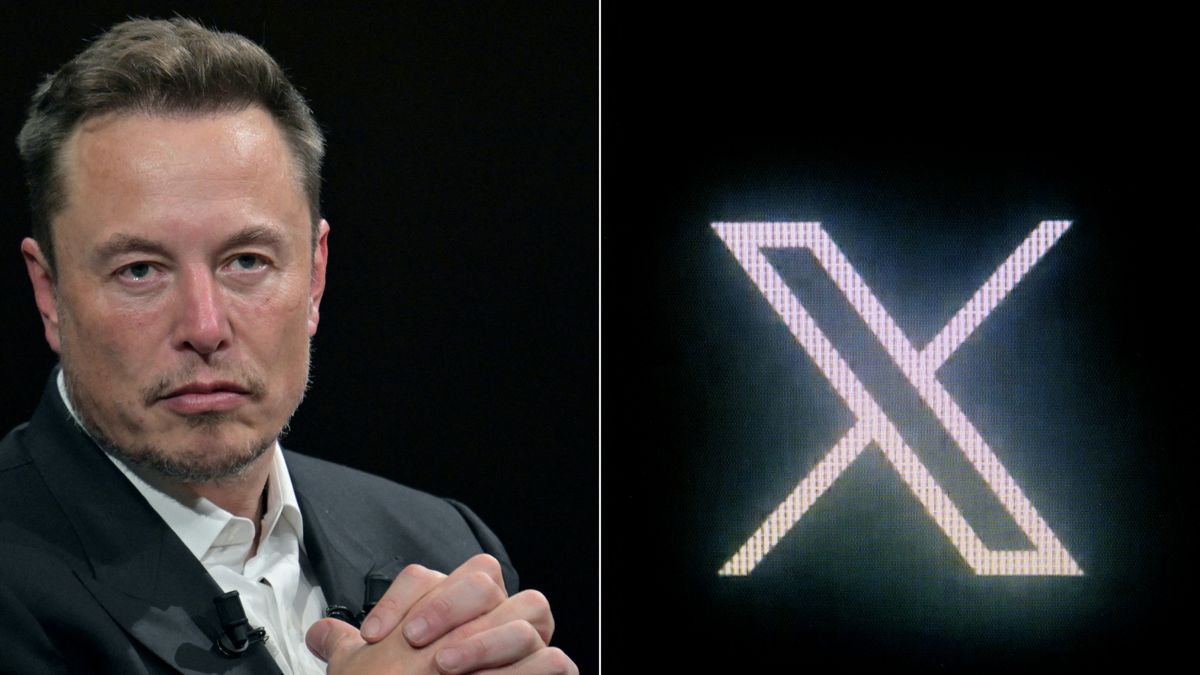
Nvidia Bets on SpaceX, Faces Market Skepticism Over Future Potential
Translated from Hungarian, summarized and contextualized by DistantNews.
At a glance
News
Sources not specified
Context piece
- Nvidia has invested in SpaceX, a move met with mixed reactions from Wall Street analysts.
- SpaceX's valuation is largely based on future, unproven ventures, with its stock price reacting sharply to development delays.
- The investment in SpaceX, alongside Intel, represents a significant concentration risk for Nvidia's portfolio.
Nvidia's recent investment in SpaceX has sparked debate among financial analysts, with some viewing it as a strategic move to diversify and others as a sign of speculative investment.
Jensen Huang, Nvidia's CEO, has consistently denied that investments artificially inflate the company's sales. He recently announced a $500 billion financing framework to address these concerns. While Bank of America analysts saw this as a move away from circularity accusations, experts from Bernstein and Global X interpreted it as a deepening of buyer financing. The day of the announcement saw Nvidia's stock price fall by 2.86 percent.
He recently announced a $500 billion financing framework to address these concerns.
SpaceX's stock is typically driven by future potential rather than current performance. The company reported a net loss of $4.9 billion in 2025, yet received an IPO valuation of $1.75 trillion – nearly 70 times its projected 2026 revenue, an extreme multiple even for the tech sector. Goldman Sachs forecasts SpaceX could reach $474 billion in revenue by 2030, with $322 billion from orbital AI computing capacity, indicating its value hinges on a non-existent business segment.
The company reported a net loss of $4.9 billion in 2025, yet received an IPO valuation of $1.75 trillion – nearly 70 times its projected 2026 revenue.
This pattern of "always starting, constantly slipping" growth narratives has been a recurring theme for SpaceX. The Artemis-3 moon landing was postponed from 2027 to 2028 due to Starship development challenges, and a V3 Super Heavy engine failed during testing. Musk himself estimates only a 50 percent chance that the planned five uncrewed Starship missions during the current Mars window will launch on time. SpaceX has missed every Mars deadline since 2011, with public promises averaging over three years late, and about 70 percent of commitments delayed by at least a year.
The postponement of another Starship test flight in mid-July caused a 4.4 percent stock drop and a $45.3 billion one-day reduction in Musk's wealth. Nvidia's investment is not in a mature, predictable revenue company, but in a stock whose price depends heavily on market belief in unproven promises for the next five to seven years, and which reacts sharply to every delay.
Musk himself estimates only a 50 percent chance that the planned five uncrewed Starship missions during the current Mars window will launch on time.
Furthermore, the SpaceX stake poses a concentration risk. Including Intel, Nvidia's disclosed stock portfolio is nearly 80 percent held by two companies that have made exclusive chip purchase commitments. If either company's business model falters, or if AI demand grows slower than expected, Nvidia's balance sheet would face both investment losses and missed chip sales. Nvidia officially denies any fraud or artificial demand generation, arguing the investment is strategic.
The postponement of another Starship test flight in mid-July caused a 4.4 percent stock drop and a $45.3 billion one-day reduction in Musk's wealth.
DistantNews Editorial
Originally published by Magyar Nemzet in Hungarian. Translated, summarized, and contextualized by our editorial team with added local perspective. Read our editorial standards.
More Stories



From Our Blog

Countries Without a Free Press: What You Need to Know

What Press Freedom Means for the News You Read

What Gets Lost (and Found) When News Is Translated

The Critical Role of Diaspora Media in Global News

What Travellers Should Know About Countries with Restricted Press
