


O-World Explains Wolf Feeding Practices After Recapture
Translated from Korean, summarized and contextualized by DistantNews.
TLDR
- Daejeon O-World explained its feeding method for the wolf 'Neukgu', which escaped and was recaptured, stating that wolves naturally eat from the ground and are not typically fed from containers.
- The facility clarified that the special concrete floor where Neukgu was fed is regularly disinfected, and ground feeding is recommended by animal welfare manuals for predators like wolves.
- Neukgu is recovering well, eating a special diet of raw chicken and beef with vitamins and iron supplements, and is expected to return to its original enclosure after recovery.
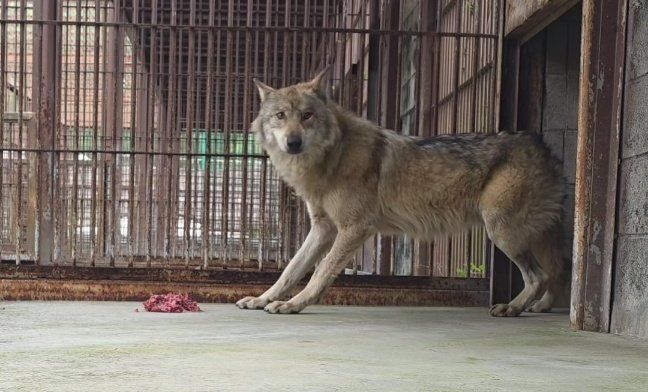
Following the recent recapture of the wolf 'Neukgu' after its escape from Daejeon O-World, the facility has addressed public concerns regarding the wolf's feeding method. Videos released by O-World showed Neukgu eating meat placed directly on the ground, prompting questions about animal welfare practices.
Wolves are wild animals, and we do not normally provide food in separate containers.
Daejeon City Corporation, which manages O-World, clarified in a press release that wolves, as wild animals, are not typically fed from separate containers. Instead, they are accustomed to eating their prey from the ground. This practice aligns with animal welfare guidelines for predators, which often recommend ground feeding to accommodate their natural instincts to carry food to a safe place to consume it.
The area in the video is not a general outdoor space but a 'special concrete floor' that is thoroughly disinfected daily.
The facility emphasized that the area where Neukgu was fed is not a general outdoor space but a specially disinfected concrete floor, ensuring hygiene. This detail is crucial for addressing any potential sanitation concerns. Furthermore, O-World explained that Neukgu is currently in a sensitive state and requires this specific feeding method to encourage appetite. The wolf is being provided with a special diet of raw chicken and beef supplemented with vitamins and iron to aid its recovery.
Predatory animals like wolves have a habit of carrying their prey to a safe place to eat, so ground feeding is recommended in the animal welfare manual.
Neukgu is showing positive signs of recovery, consuming approximately 1.5-2 kg of raw meat daily, which represents about 80% of its normal intake. Initial signs of anxiety have subsided, and the wolf has begun exploring its temporary enclosure. Blood tests indicate that stress levels are stabilizing. Once fully recovered, Neukgu is scheduled to be moved back to its original habitat, the 'Wolf Safari,' within O-World. This situation highlights the unique challenges and considerations involved in the care of wild animals, even within managed environments.
Neukgu is currently in a sensitive state and will not eat well if food is not provided in the usual manner.
DistantNews Editorial
Originally published by Dong-A Ilbo in Korean. Translated, summarized, and contextualized by our editorial team with added local perspective. Read our editorial standards.
More Stories


From Our Blog

What Gets Lost (and Found) When News Is Translated

The Critical Role of Diaspora Media in Global News

What Travellers Should Know About Countries with Restricted Press

A Digital Nomad's Guide to Following Local News

How the Same Story Looks Different in Different Countries
