


Obamacare premiums set for another surge in 2027, analysis shows
Translated from English, summarized and contextualized by DistantNews.
At a glance
News
Documents & data
Context piece
- Obamacare premiums are projected to rise significantly again in 2027, with a median proposed increase of 14% across insurers.
- This follows a substantial 20% jump in median premiums in 2026, driven by rising healthcare costs and expiring pandemic-era subsidies.
- Middle-income individuals not receiving subsidies will face the steepest cost increases, exacerbating affordability concerns.
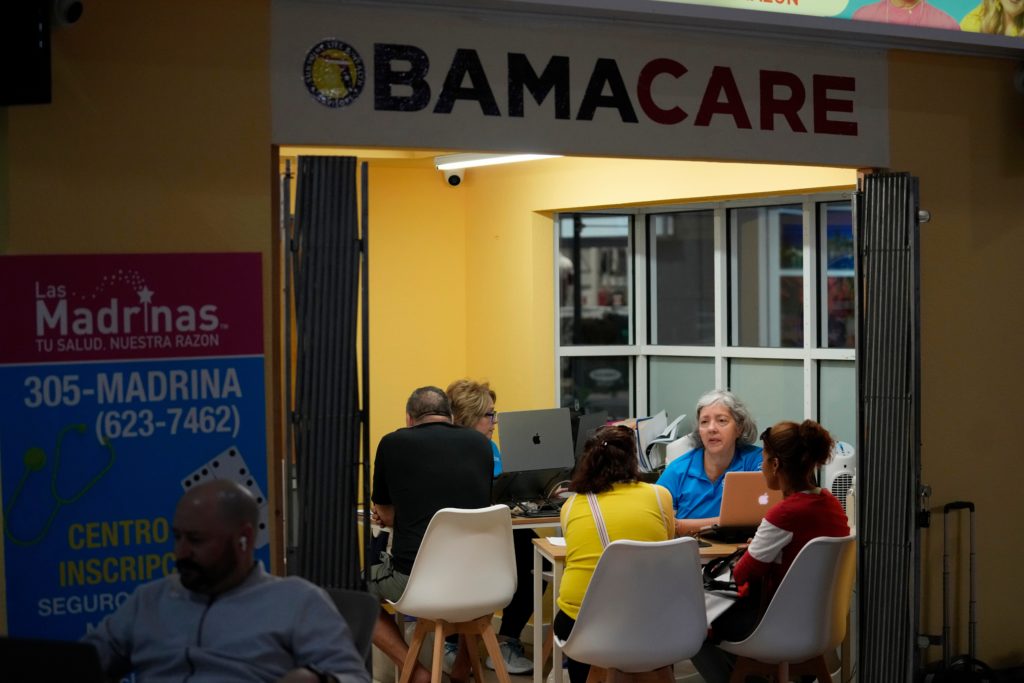
Middle-income Americans are unlikely to find relief from rising Affordable Care Act (ACA) health insurance costs next year, according to a new analysis. Insurers in the marketplace are proposing a second consecutive year of double-digit premium hikes for 2027.
Middle-income Americans straining to pay for Affordable Care Act health insurance are unlikely to get relief next year, according to a new analysis that shows insurers in the marketplace are proposing a second straight year of double-digit premium hikes.
The analysis from the healthcare research nonprofit KFF reveals that among the 77 insurers who have submitted publicly available rate filings, the median proposed premium increase for 2027 stands at 14%. Insurers cite several key factors for these increases: mounting healthcare costs, changes in federal regulations, and the recent expiration of enhanced pandemic-era subsidies.
The insurers cited mounting healthcare costs, federal regulatory changes and the recent expiration of pandemic-era enhanced subsidies as the biggest factors driving premiums higher.
This projected rise follows a significant jump in 2026, when the median rate increase was 20%, according to KFF. While most individuals enrolled in Obamacare qualify for subsidies that shield them from the full cost, middle-class enrollees who do not receive these subsidies will experience a particularly sharp increase in their expenses. This group includes households earning at or above 400% of the poverty level.
The rise in premiums adds to what already was a significant jump in 2026, when the median rate increase was 20%, according to KFF.
Insurers attribute the rising premiums primarily to increased costs across the healthcare sector, including hospital visits, prescription drugs, workforce expenses, and a sicker patient population. Broader economic inflation has also contributed to these pressures. Furthermore, the expiration of federal subsidies, which had previously offset costs for many and contributed to the ACA program's growth, caused many plan costs to skyrocket when the tax credits expired in January.
Insurers also blamed the expiration of federal subsidies that had offset costs for many people and caused the Affordable Care Act program to balloon in size in recent years.
DistantNews Editorial
Originally published by PBS NewsHour in English. Translated, summarized, and contextualized by our editorial team with added local perspective. Read our editorial standards.
More Stories


From Our Blog

How the Same Story Looks Different in Different Countries

What Gets Lost (and Found) When News Is Translated

The Critical Role of Diaspora Media in Global News

What Travellers Should Know About Countries with Restricted Press

A Digital Nomad's Guide to Following Local News
