

Obituary: Harald – A King in His Own Life
Translated from Danish and summarized by DistantNews. Read the original for the full story.
At a glance
In-depth
Sources not specified
Outcome reported
- King Harald of Norway's reign was marked by his connection with the people and a personal life that defied royal norms.
- His relationship with a commoner significantly influenced Norwegian history and his public image.
- Despite his traditional role, he demonstrated an ability to adapt to and reflect societal changes.
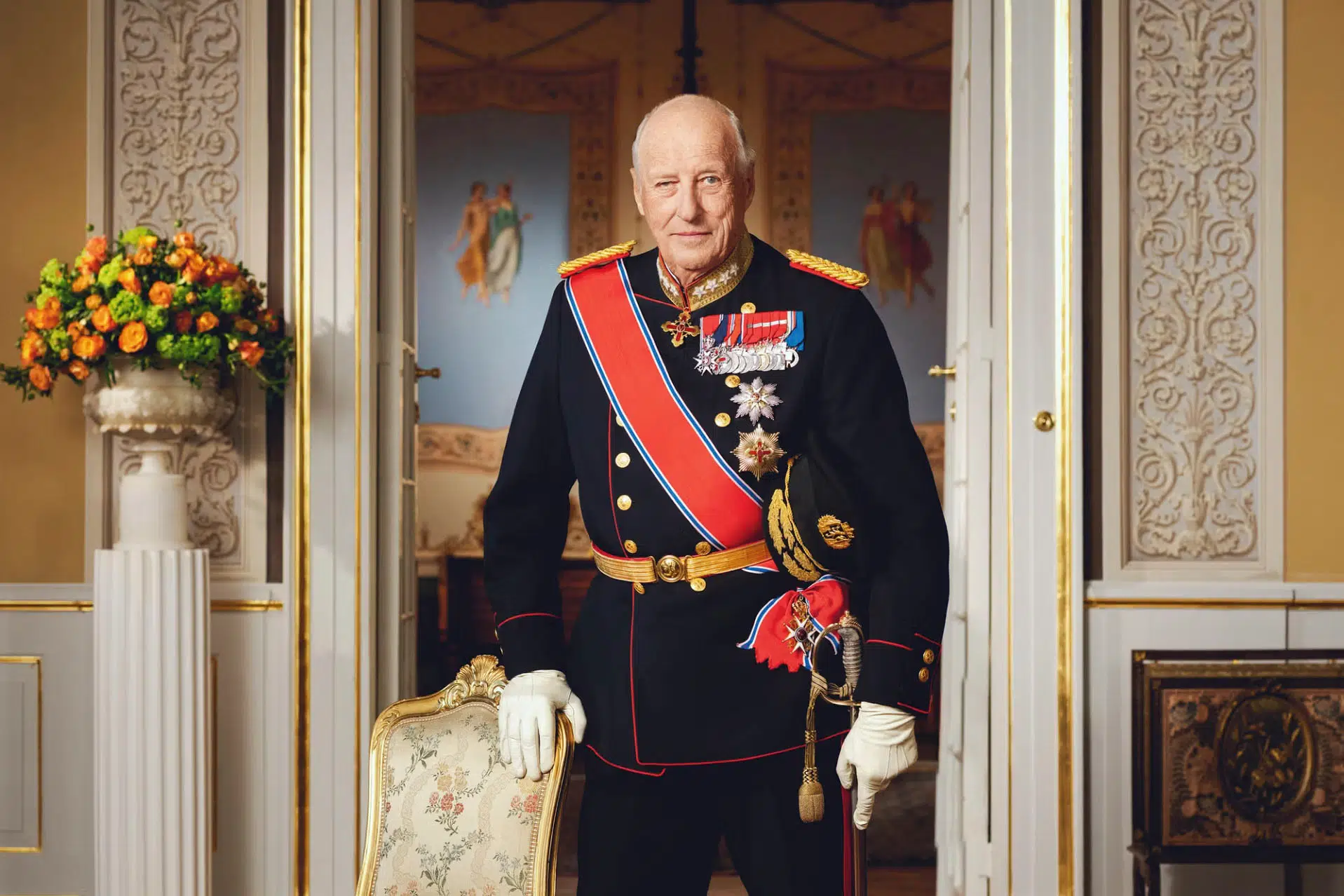
King Harald of Norway, who passed away recently, was a monarch who deeply connected with his subjects, earning the title 'king of the people.' His reign was characterized by a willingness to embrace personal happiness, even if it meant diverging from strict royal traditions. The path to his private contentment was notably paved by the people themselves, suggesting a strong public acceptance of his choices.
A pivotal moment in his life and Norwegian history was his relationship with a woman who did not possess royal blood. This union challenged established norms and helped shape a new image of the monarchy – one that was more accessible and relatable. This relationship fostered a king who was perceived as being in sync with his people, standing on equal footing with them rather than above them.
While deeply rooted in tradition, King Harald also showed a remarkable capacity for adapting to the evolving times. His initial reluctance to adopt modern technology, such as owning a mobile phone, was framed as a matter of prioritizing his duties and the era's demands. However, this resistance also masked a subtle understanding of societal shifts, allowing him to better grasp and reflect the undercurrents of change than many of his contemporaries.
About this summary
Originally published by Berlingske in Danish. Translated, summarized, and contextualized automatically by DistantNews, with a note on how the source frames the story. Not individually reviewed before publishing. How this works.
More Stories
From Our Blog

What Gets Lost (and Found) When News Is Translated

The Critical Role of Diaspora Media in Global News

What Travellers Should Know About Countries with Restricted Press

A Digital Nomad's Guide to Following Local News

How the Same Story Looks Different in Different Countries
