


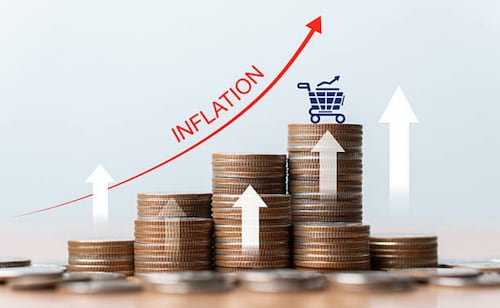
OECD inflation hits 4.4% in April, driven by energy costs
Translated from Spanish, summarized and contextualized by DistantNews.
At a glance
Newswire
Official statement
New plan
- Inflation in OECD countries rose to 4.4% in April 2026, up from 4% in March, driven by soaring energy costs.
- Energy inflation in the OECD reached 13.2%, while food inflation advanced to 4.0% and core inflation remained stable at 3.6%.
- In the G7, overall inflation increased to 3.2%, with the United States showing the highest rate at 3.8%.
Inflation across the Organization for Cooperation and Development (OECD) nations climbed to 4.4% in April 2026, a notable increase from March's 4%. This uptick is primarily fueled by a significant surge in energy prices, according to the organization's report.
The general inflation rate accelerated in 23 member countries. Belgium, Chile, Greece, Italy, and Turkey experienced the most substantial hikes, with increases of a percentage point or more. Conversely, inflation remained relatively stable in six nations and decreased in nine, with Sweden showing a notable drop in food prices that offset rising energy costs.
OECD energy inflation continued its upward trend, reaching 13.2% in April, a 5.1 percentage point jump from the previous month. Food inflation saw a rise to 4.0%, while core inflation, excluding food and energy, held steady at 3.6%. Despite the overall increase, energy prices remained negative in Colombia, Costa Rica, Denmark, Iceland, and Japan.
Within the G7 economies, annual inflation rose to 3.2% from 2.8% in March. The United States recorded the highest rate at 3.8%, its peak since May 2023. Canada, France, Germany, and Italy also saw inflation levels not observed since 2023 or 2024. In contrast, the United Kingdom's core inflation fell to 2.8%, its lowest since September 2021, contributing to a moderation of its overall inflation rate.
DistantNews Editorial
Originally published by El Universal in Spanish. Translated, summarized, and contextualized by our editorial team with added local perspective. Read our editorial standards.
More Stories


From Our Blog

What Press Freedom Means for the News You Read

What Gets Lost (and Found) When News Is Translated

The Critical Role of Diaspora Media in Global News

What Travellers Should Know About Countries with Restricted Press

A Digital Nomad's Guide to Following Local News
