


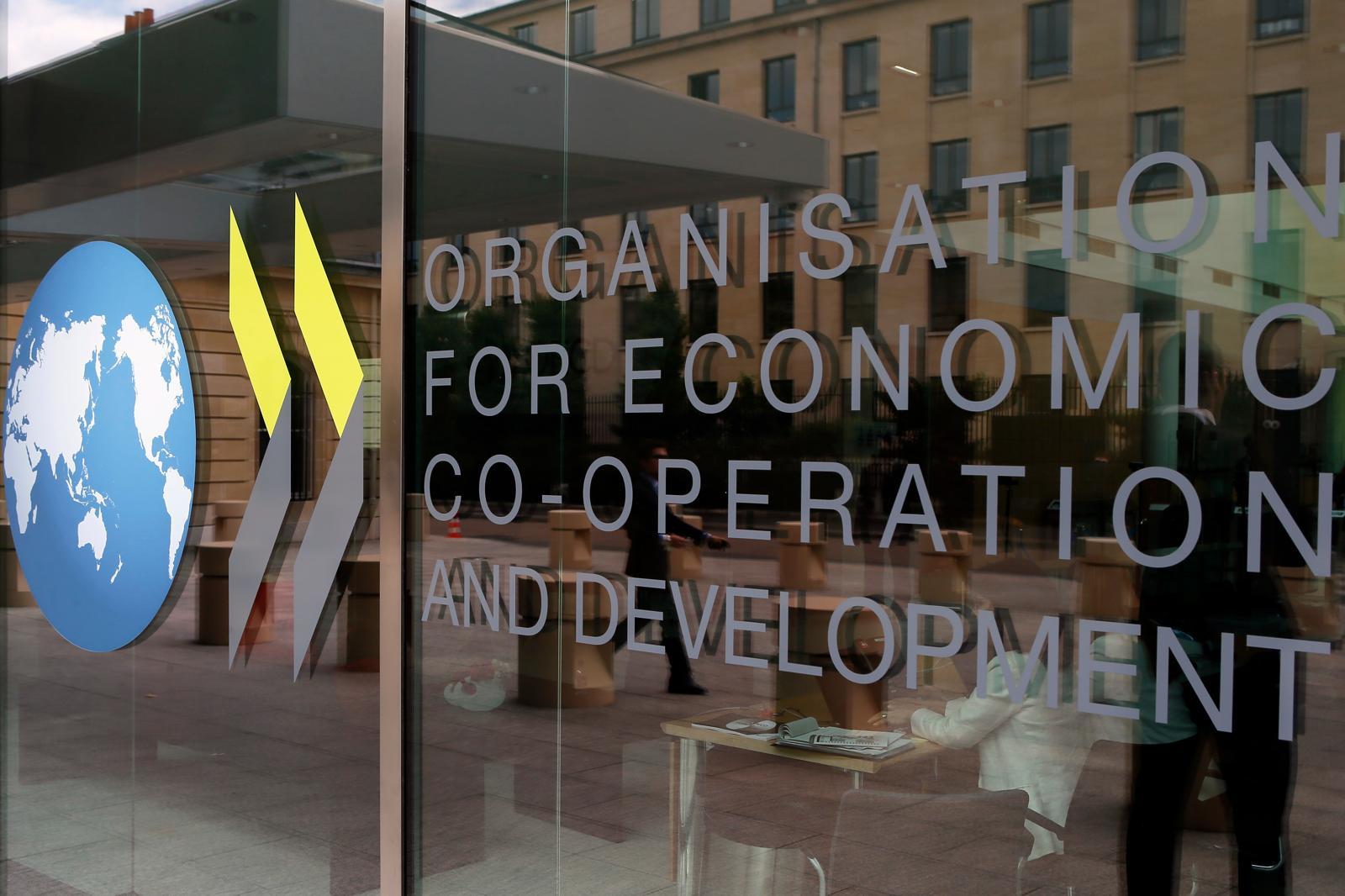
OECD Urges Korea to Raise University Tuition, Reform Property Taxes
Translated from Korean, summarized and contextualized by DistantNews.
At a glance
News
Sources not specified
Context piece
- The OECD recommends South Korea allow universities to raise tuition fees to improve higher education quality.
- It also suggests reducing the portion of local education funding linked to national taxes and shifting focus to lifelong learning.
- For real estate taxes, the OECD advises lowering transaction taxes and increasing property holding taxes, noting Korea's property tax revenue is double the OECD average but heavily reliant on transactions.
South Korea's higher education system needs reform, including allowing universities to increase tuition fees, to boost quality and address youth unemployment, according to the Organization for Economic Co-operation and Development (OECD). The OECD's 2026 Economic Survey of Korea also recommends a gradual reduction in local education grants tied to national taxes, while advocating for more support for adult lifelong learning.
The report highlights that despite a high university enrollment rate of 71%, South Korea faces an oversupply of degree holders and persistent youth unemployment due to the low quality of higher education. This low quality is partly attributed to restricted tuition fee increases and an education funding structure heavily favoring primary and secondary schools.
Korea's property tax revenue is 3.0% of GDP, about twice the OECD average of 1.6%. However, the proportion of holding tax within real estate tax revenue is 29.4%, less than half the OECD average of 56.0%.
Regarding real estate taxation, the OECD proposes a shift from transaction taxes to holding taxes. Currently, South Korea's property tax revenue stands at 3.0% of GDP, nearly double the OECD average of 1.6%. However, holding taxes constitute only 29.4% of this revenue, significantly lower than the OECD average of 56.0%.
The OECD also suggests simplifying the corporate tax system from its current four-tiered progressive structure to a single rate and reducing tax expenditures. It recommends strengthening tobacco taxes and basing alcohol taxes on alcohol content. To manage fiscal risks associated with an aging population, the OECD urges enhanced fiscal consolidation efforts in the medium term, including expenditure restructuring and pension reform. The report also advises concentrating infrastructure investment in regional hubs and strengthening the competitiveness of major local universities to promote balanced regional development.
The quality of higher education is low because tuition increases are limited and education finances are skewed toward elementary, middle, and high schools.
DistantNews Editorial
Originally published by Dong-A Ilbo in Korean. Translated, summarized, and contextualized by our editorial team with added local perspective. Read our editorial standards.
More Stories


From Our Blog

What Gets Lost (and Found) When News Is Translated

The Critical Role of Diaspora Media in Global News

What Travellers Should Know About Countries with Restricted Press

A Digital Nomad's Guide to Following Local News

How the Same Story Looks Different in Different Countries
