


Oil companies cash in as Middle East tensions rise
Summarized and contextualized by DistantNews.
At a glance
Analysis
Named sources
Context piece
- Major oil companies are reporting substantial profits amid rising global oil prices, driven by geopolitical tensions and supply concerns.
- The US administration faces criticism for its stance on oil companies, with accusations of price gouging while simultaneously holding investments in the sector.
- Tensions in the Middle East, including potential disruptions to key shipping routes like the Strait of Hormuz, are contributing to a volatile oil market and unpredictable prices.
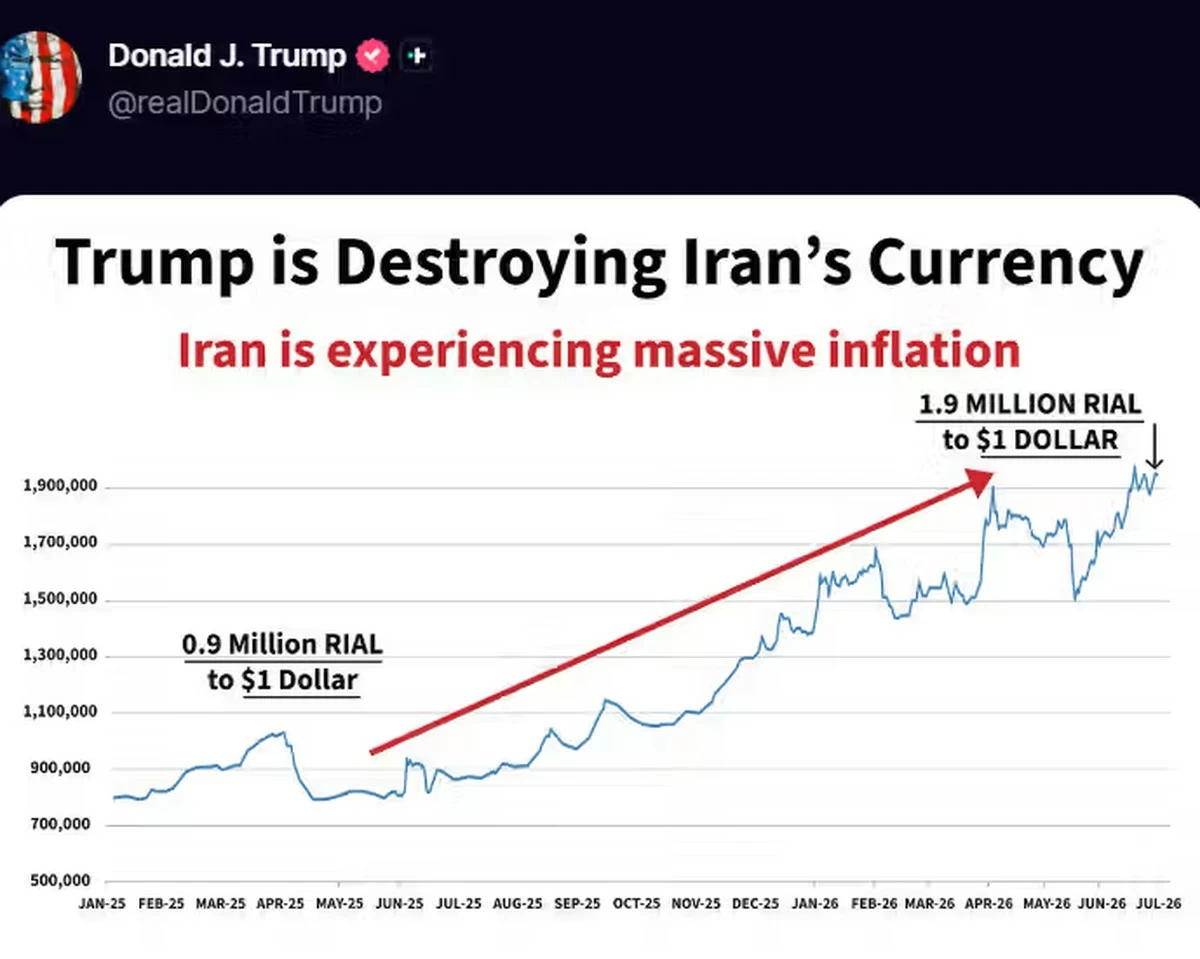
Global oil companies are experiencing a surge in profits, with major players like ExxonMobil, Chevron, and Phillips 66 announcing substantial earnings. This financial success comes at a time of heightened geopolitical tensions, particularly involving Iran and the United States, which are impacting global oil supplies and driving up prices.
The relationship between the US administration and these energy giants appears complex. Despite the administration's public criticism of oil companies for allegedly gouging consumers and failing to lower fuel prices, President Biden holds significant personal investments in these very companies. This apparent contradiction raises questions about the administration's motives, with some suggesting it could be a tactic to gain public support for a re-election campaign while benefiting financially from the sector.
Oil companies, in turn, argue that they need time to assess market conditions before adjusting prices. Meanwhile, ongoing tensions in the Middle East, including the potential closure of vital shipping lanes like the Strait of Hormuz and the Bab el-Mandeb Strait, are tightening global supplies. This situation forces consumers to rely on strategic reserves and prompts increased US oil exports to Europe, aiming to stabilize markets.
The current oil market remains unpredictable. Brent crude is trading around $87 a barrel, while Russian crude is priced higher at $104 due to its availability in East of Suez markets. Dubai crude is at $93. The limited availability of Dubai crude compared to Russian oil contributes to this price difference. With key maritime routes facing uncertainty, predicting future oil prices and availability is challenging due to a lack of reliable information on oil movements.
DistantNews Editorial
Originally published by Arab Times. Summarized and contextualized by our editorial team with added local perspective. Read our editorial standards.
More Stories


From Our Blog

What Gets Lost (and Found) When News Is Translated

The Critical Role of Diaspora Media in Global News

What Travellers Should Know About Countries with Restricted Press

A Digital Nomad's Guide to Following Local News

How the Same Story Looks Different in Different Countries
