


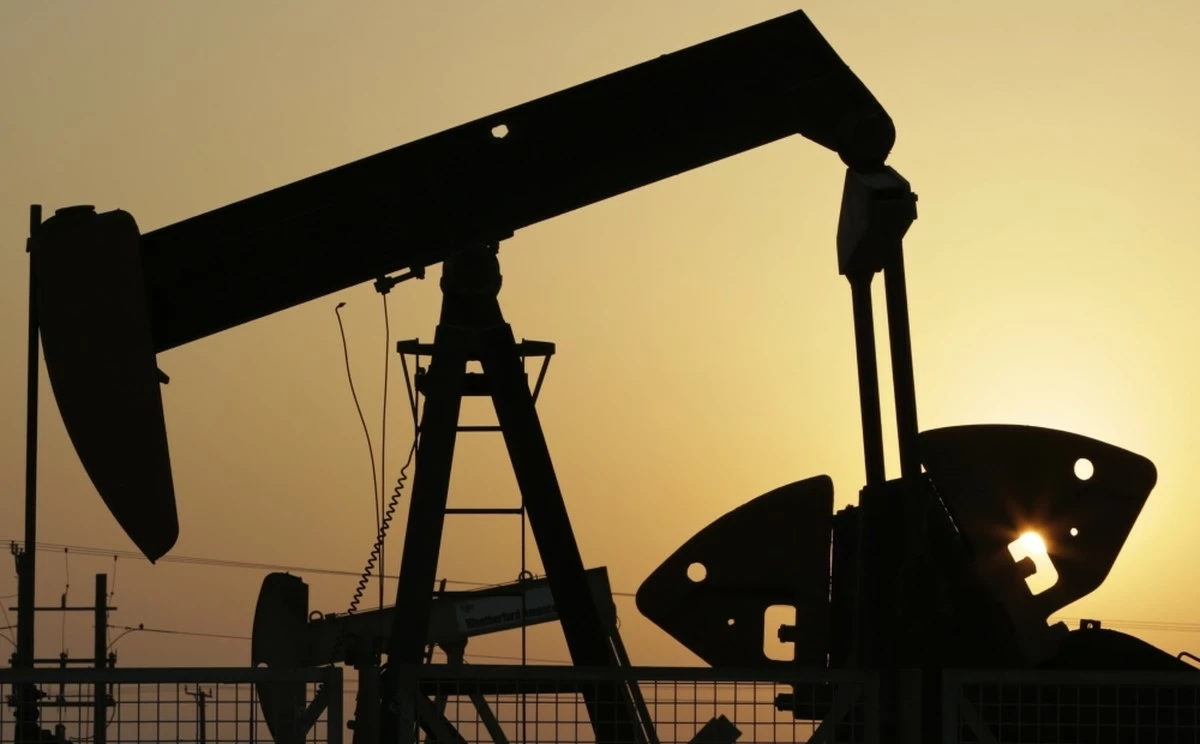
Oil is down, now below $100 pb
Summarized and contextualized by DistantNews.
At a glance
News
Named sources
Context piece
- Global oil prices have fallen below $100 per barrel, easing concerns for consumers despite ongoing tensions and the closure of the Strait of Hormuz.
- Easing U.S.-Iran tensions have contributed to a more relaxed atmosphere, reducing expectations of sharply higher gasoline prices.
- While the Strait of Hormuz remains closed, oil markets are stabilizing through commercial inventories and strategic reserves, with significant reserves held by countries like Venezuela and Saudi Arabia.
Global oil consumers are experiencing relief as crude oil prices have dipped below $100 per barrel. This decline offers a respite despite the continued closure of the Strait of Hormuz, a critical chokepoint for global oil transit. Tensions between the United States and Iran appear to be de-escalating, contributing to a calmer market sentiment and diminishing fears of a significant surge in oil prices.
Current global strategic reserve is about 2.5 billion barrels, with China holding the largest share.
The easing of panic over prices exceeding $100 per barrel translates into more stable fuel costs for consumers, particularly in the U.S. This allows American drivers greater flexibility for travel and visiting family and friends. Although approximately 22 million barrels of oil are disrupted daily due to the Strait of Hormuz closure, the market is finding stability through the strategic use of commercial inventories and national strategic reserves.
The top five largest oil reserves in the world are Venezuela with 303 billion barrels, Saudi Arabia with 267, Iran with 208, Canada with 145, and Iraq with 145 billion barrels.
Major oil reserves are concentrated in specific regions, with Venezuela holding the largest proven reserves at 303 billion barrels, followed by Saudi Arabia (267 billion) and Iran (208 billion). Five of the top eight countries with proven oil reserves are located in the Arabian Gulf. The article notes that while Venezuela's oil is difficult to extract, the world's demand ensures that methods will be found. The piece concludes with an optimistic outlook for the Arabian Gulf to return to stable and smooth oil flows, benefiting producers and ensuring future supply.
Oil markets are in need of some stability, with a return to steady flows of oil from the Arabian Gulf, increased volumes, and reliable supply to meet market demand, as well as to rebuild and replenish the used strategic reserves.
DistantNews Editorial
Originally published by Arab Times. Summarized and contextualized by our editorial team with added local perspective. Read our editorial standards.
More Stories


From Our Blog

What Gets Lost (and Found) When News Is Translated

The Critical Role of Diaspora Media in Global News

What Travellers Should Know About Countries with Restricted Press

A Digital Nomad's Guide to Following Local News

How the Same Story Looks Different in Different Countries
