

Oil price is falling, how low will it go?
Summarized and contextualized by DistantNews.
At a glance
Analysis
Named sources
Context piece
- Oil prices have fallen from over $100 to around $70 a barrel in three weeks.
- Continued decline threatens the budgets of oil-producing nations, potentially forcing them to borrow from international banks.
- Experts suggest oil-producing countries need to find alternatives to oil as a primary income source due to market oversupply and weak demand growth.
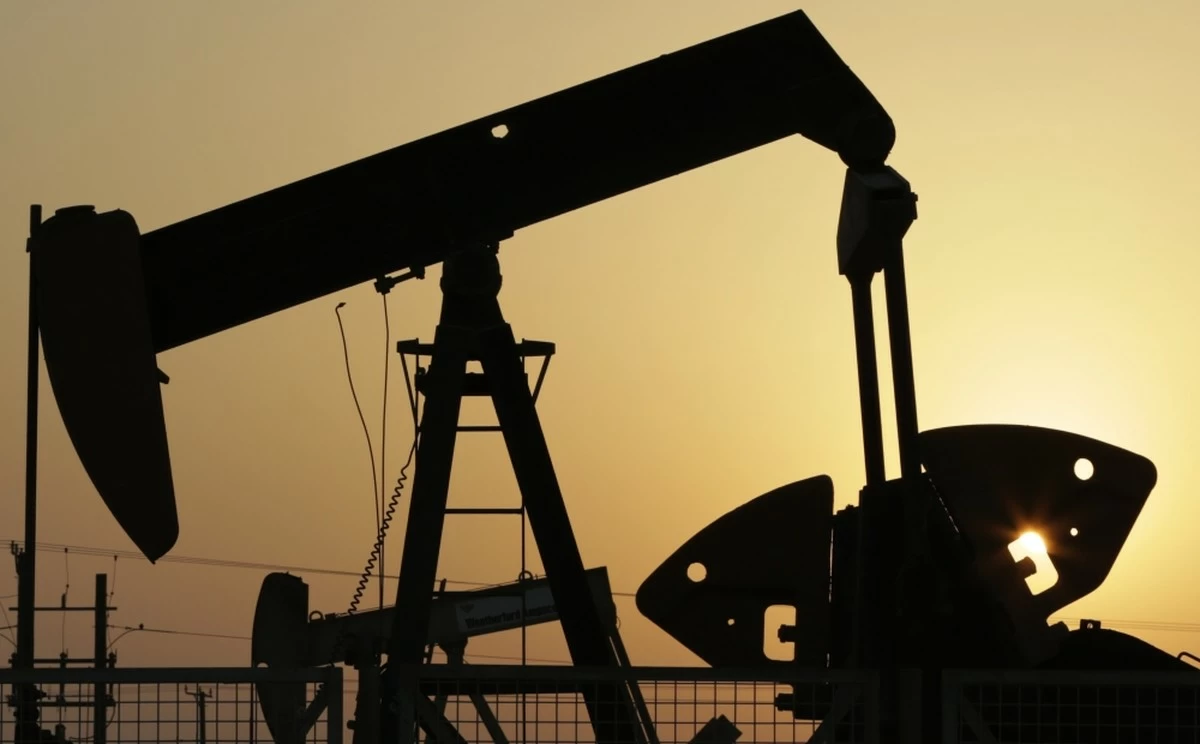
Oil prices have experienced a significant drop, falling from a peak of over $100 a barrel just three weeks ago to approximately $70. This downward trend is expected to continue unless OPEC+ takes immediate action through further production cuts. The persistent decline poses a serious threat to the economies of oil-producing countries, potentially creating substantial deficits in their annual budgets. Many of these nations base their budgets on an oil price around $90 per barrel, and the current market conditions could force them to seek loans from international banks. The situation highlights a critical question: how long can these countries continue to depend on a single source of income? Global oil reserves stand at an estimated 1.6 trillion barrels, with annual consumption around 106 million barrels per day, indicating an abundant supply with little concern about future shortages, provided demand remains steady and production continues. However, oil-producing countries must confront their long-term prospects amid weakening prices and persistent budget shortfalls. The article suggests that identifying and developing alternatives to oil as a primary national income source is the essential answer. The current market dynamic is characterized by too much oil and insufficient demand growth to absorb additional supplies. Spare production capacity remains substantial, while global demand is only increasing at a normal annual rate of about one million barrels per day. The short-term outlook for crude oil prices is therefore discouraging, with the existing surplus likely to persist. Producers are hesitant to cut production temporarily, only to face the same oversupply issue later. OPEC and OPEC+ have historically managed such conditions, but the article posits that OPEC may need to allow market forces to dictate prices without further intervention, letting them adjust naturally.
DistantNews Editorial
Originally published by Arab Times. Summarized and contextualized by our editorial team with added local perspective. Read our editorial standards.
More Stories

From Our Blog

What Gets Lost (and Found) When News Is Translated

The Critical Role of Diaspora Media in Global News

What Travellers Should Know About Countries with Restricted Press

A Digital Nomad's Guide to Following Local News

How the Same Story Looks Different in Different Countries
