


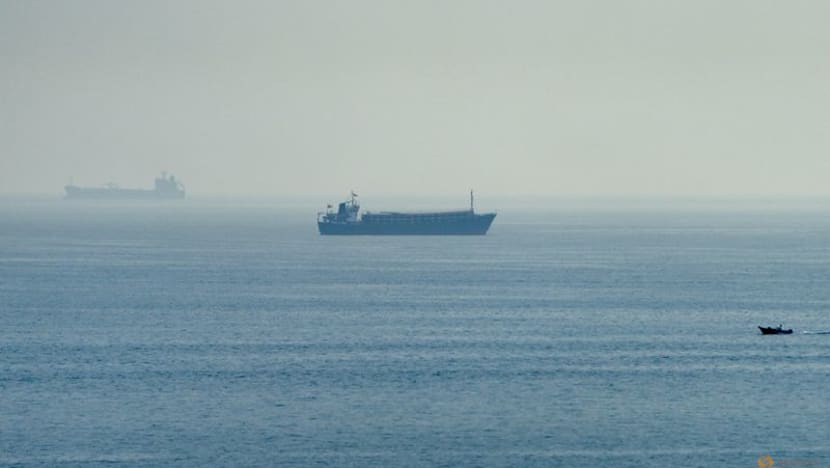
Oil price rises after Iran says it stops ships in Hormuz
Summarized and contextualized by DistantNews.
At a glance
News
Named sources
Ongoing story
- Oil prices increased after Iran reported stopping two vessels in the Strait of Hormuz.
- The incident raises concerns about global energy supplies, following a recent drone attack on ships in an Egyptian port.
- Iran claims its forces intervened, though reports could not be independently confirmed; two oil tankers were recorded passing through the strait.
Oil prices saw a rise on Friday, prompted by Iran's announcement that its forces had stopped two vessels attempting to exit the Strait of Hormuz. This development heightened concerns over global energy supplies, particularly in the wake of a drone attack on ships in an Egyptian Mediterranean port earlier in the week.
Iran stated that four other tankers turned back after its forces intervened, although these reports have not been independently verified. Shipping data indicated that two large tankers carrying oil from the Gulf successfully transited the strait, a critical chokepoint for global energy shipments. Two additional commodities vessels also passed through, according to data from Kpler, which does not track vessels with transponders turned off.
The Strait of Hormuz, a narrow waterway between Iran and Oman, normally handles approximately one-fifth of the world's energy shipments. Iran has previously disrupted shipping through the strait. Meanwhile, Houthi allies in Yemen have recently threatened the Bab el-Mandeb, another key export route for Saudi crude at the other end of the Red Sea.
Benchmark Brent crude futures were on track for a significant monthly gain in July, and analysts polled by Reuters anticipate further price increases this year. The market also reacted to news of U.S. forces continuing to blockade Iranian oil exports via the Gulf and completing a wave of strikes. Iran's army claimed to have targeted U.S. military facilities in Kuwait and Bahrain in response to U.S. attacks.
All you can do is keep winning, then eventually something will happen.
DistantNews Editorial
Originally published by CNA. Summarized and contextualized by our editorial team with added local perspective. Read our editorial standards.
More Stories



From Our Blog

What Gets Lost (and Found) When News Is Translated

The Critical Role of Diaspora Media in Global News

What Travellers Should Know About Countries with Restricted Press

A Digital Nomad's Guide to Following Local News

How the Same Story Looks Different in Different Countries
