


Oil Price Surge Nears $90 Amid Hormuz Uncertainty, Fueling Inflation Fears
Translated from Korean, summarized and contextualized by DistantNews.
At a glance
News
Named sources
Ongoing story
- International oil prices are nearing $90 per barrel due to stalled negotiations over the Strait of Hormuz.
- Rising oil costs, combined with weather-related supply concerns for agricultural products, threaten to increase inflation.
- The government faces pressure to raise price caps on petroleum products if international prices exceed $90.
International oil prices have surged, approaching the $90 per barrel mark, driven by stalled negotiations concerning the Strait of Hormuz. This upward trend in oil costs, coupled with potential supply disruptions for agricultural goods due to extreme weather, is raising concerns about escalating inflation.
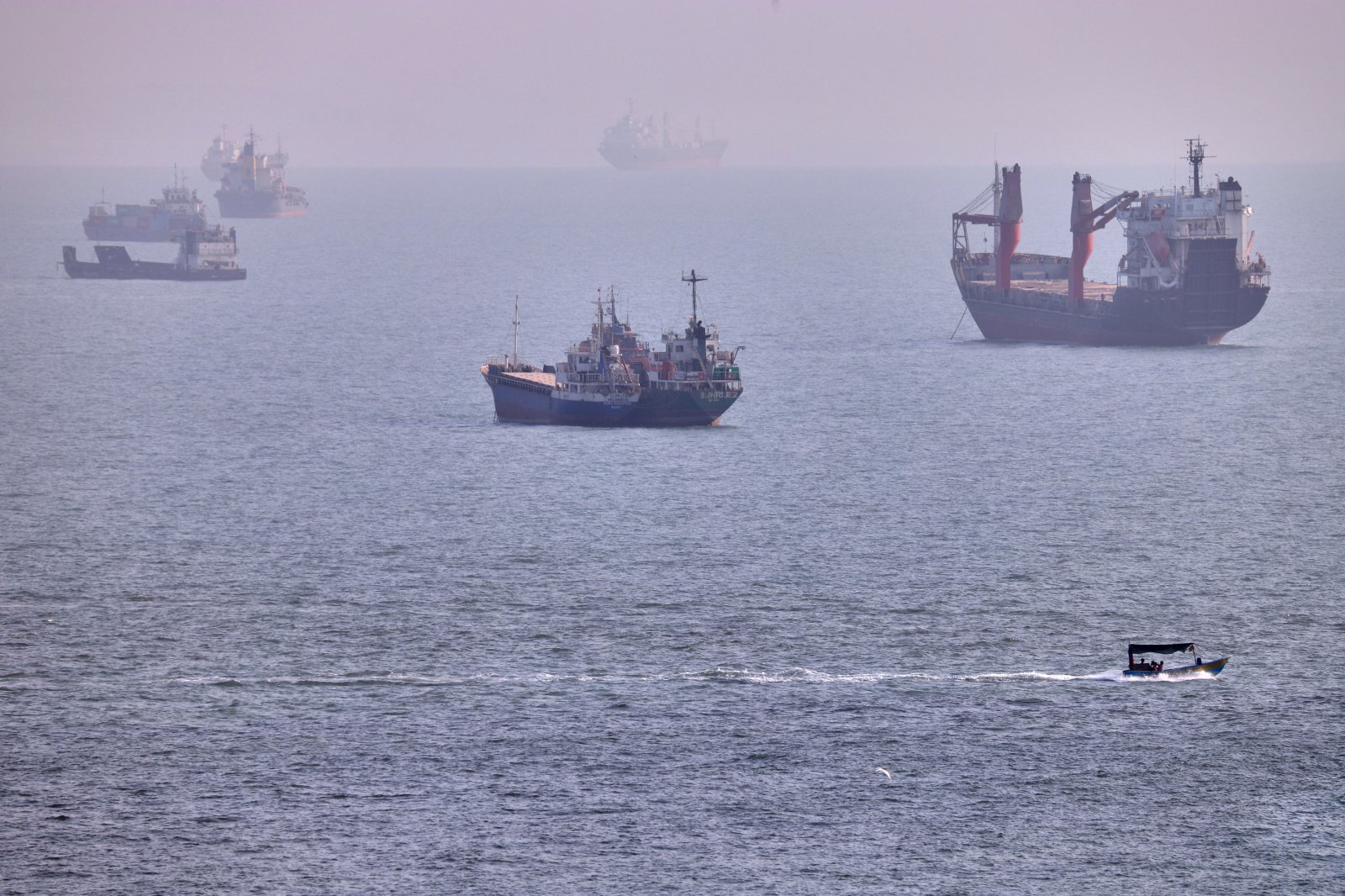
The price of Brent crude futures has risen for six consecutive trading days, nearing $90 per barrel. West Texas Intermediate (WTI) futures have also seen a consistent increase. The recent spike is attributed to the deadlock in U.S.-Iran negotiations, which has dampened expectations for the reopening of the Strait of Hormuz, a critical chokepoint for global oil transport. Iran has indicated it will not ease its control over the strait unless its demands in negotiations with the U.S. are met.
There are also moves by some industries to increase processed food prices, and tablet prices have risen significantly due to increased semiconductor prices. Uncertainty related to the Middle East conflict continues, and coupled with the effect of last year's communication fee reduction, the inflation rate may temporarily rise in August before falling in September.
This situation poses a significant challenge to the government's efforts to manage inflation. The consumer price index had shown signs of stabilization, partly due to moderating oil price increases in July. However, a rebound in petroleum product prices could push the inflation rate back into the 3% range. The government currently controls domestic oil prices through a maximum price system, but sustained international price hikes above $90 per barrel may necessitate an increase in these caps.
Further complicating the inflation outlook are other factors expected in August. The price increase rate for agricultural, livestock, and fishery products, which was only 0.9% in July, could rise due to the impact of heatwaves and drought. Significant livestock and fish losses have already been reported in affected regions. Additionally, a base effect from a substantial reduction in communication fees last August is expected to temporarily inflate the year-on-year inflation rate for August.
We will do our best to manage the inflation rate within 3% for the entire second half of the year.
DistantNews Editorial
Originally published by Dong-A Ilbo in Korean. Translated, summarized, and contextualized by our editorial team with added local perspective. Read our editorial standards.
More Stories


From Our Blog

What Gets Lost (and Found) When News Is Translated

The Critical Role of Diaspora Media in Global News

What Travellers Should Know About Countries with Restricted Press

A Digital Nomad's Guide to Following Local News

How the Same Story Looks Different in Different Countries
