


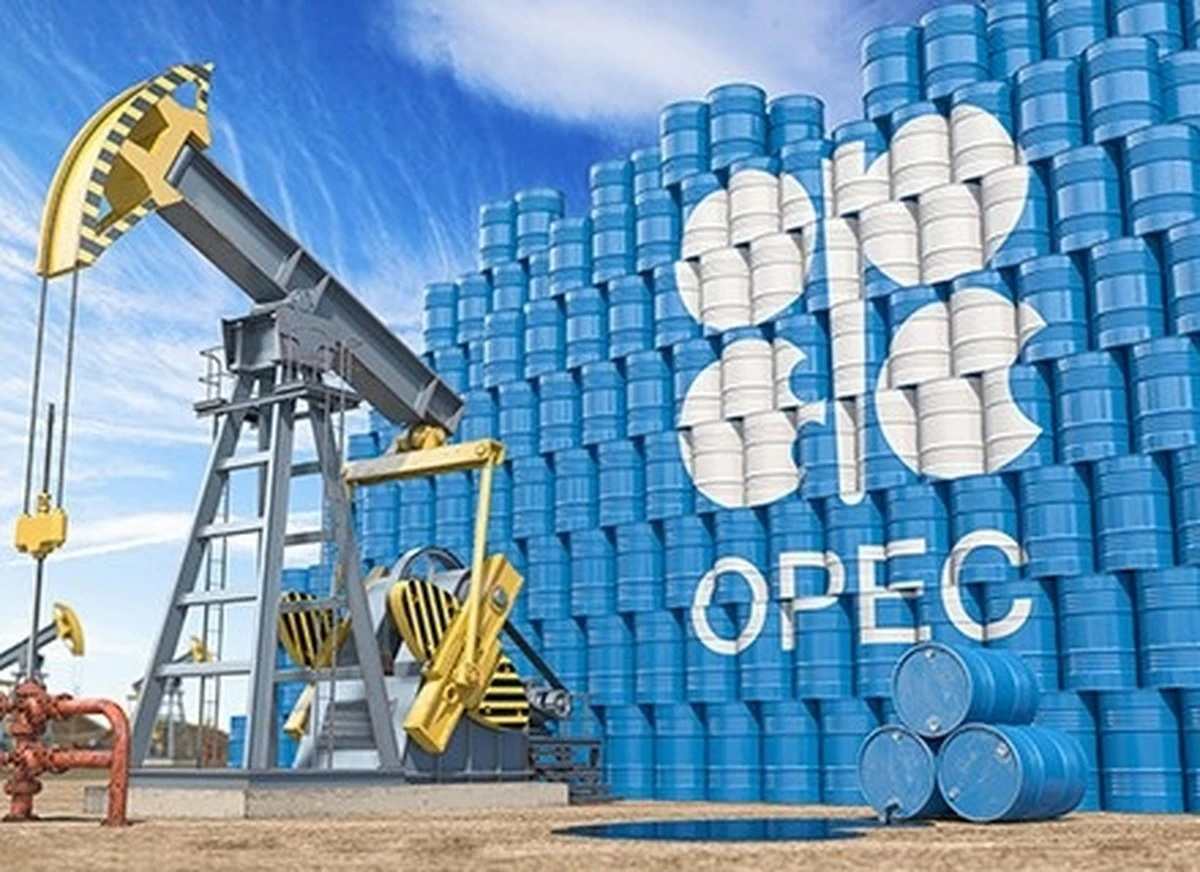
Oil Prices Dip as OPEC+ Prepares Production Increase Amid Strait of Hormuz Reopening
Translated from English, summarized and contextualized by DistantNews.
At a glance
News
Sources not specified
Context piece
- OPEC+ is expected to increase oil production, but the October hike may be smaller than previous ones as prices approach the high $70s.
- The reopening of the Strait of Hormuz allows for free passage of ships, leading to increased global oil movement and price stabilization.
- Producing countries are eager to resume production and recover lost revenue, while global demand is rising, creating a complex market dynamic for OPEC+.
OPEC+ is poised to increase oil production, with expectations that the October output hike will be more modest compared to previous months. This move comes as oil prices have retreated from a peak above $100 per barrel, now hovering closer to the high $70s. The recent opening of the Strait of Hormuz has facilitated the free movement of ships and tankers, enabling the resumption of crude oil loading from Arabian Gulf ports to global markets. This development is contributing to a cooling of oil prices, pushing them toward more stable levels that support higher demand and economic growth. The reopening of the strait allows for the passage of over 33 million barrels per day, primarily destined for Asia, which is actively preparing to increase its oil consumption and replenish strategic reserves. Some importing nations may also expand their storage capacities. Oil-exporting countries are keen to resume production after a three-month period of minimal cash flow. With oil prices in the low $80s and potentially declining further, there are opportunities for OPEC+ to increase output and recoup lost revenues. The group may consider relaxing production quotas, provided prices remain within an acceptable range for consumers. Global oil demand is also seeing an uptick, driven by the summer driving season in the United States, where consumers are traveling for leisure. The current average gasoline price in the U.S. stands at $3.95 per gallon, with consumers expressing concern about potential price increases due to Middle East tensions, though such impacts typically manifest after about a week. Approximately 500 tankers are reportedly waiting to enter the Gulf to load crude oil, refined products, and gas. The primary concern is ensuring sufficient supply from producing nations to rebuild stocks and inventories, alongside the logistical challenge of clearing the Gulf of mines. This process will require time, but the urgency to load is high, as producing countries urgently need revenue. The resumption of oil flow through the Strait of Hormuz coincides with a period of significant global oil demand. Tanker owners are eager to restart operations, restore normal freight rates, and cover operational costs and crew salaries. As oil begins to flow freely again, the central question remains: how low will prices fall? Will they return to the $70 range, or can OPEC+ maintain control through production quotas? This presents a challenge, as every oil producer is in need of cash.
DistantNews Editorial
Originally published by Arab Times in English. Translated, summarized, and contextualized by our editorial team with added local perspective. Read our editorial standards.
More Stories

From Our Blog

What Gets Lost (and Found) When News Is Translated

The Critical Role of Diaspora Media in Global News

What Travellers Should Know About Countries with Restricted Press

A Digital Nomad's Guide to Following Local News

How the Same Story Looks Different in Different Countries
