

Oil prices fall as investors eye potential Iran-US talks in Doha
Translated from English, summarized and contextualized by DistantNews.
At a glance
News
Sources not specified
Context piece
- Oil prices fell as investors anticipated potential talks between the U.S. and Iran in Doha.
- Tensions remain high following recent missile fire that tested an interim ceasefire.
- Market sentiment is cautiously hopeful, awaiting tangible signs of de-escalation.
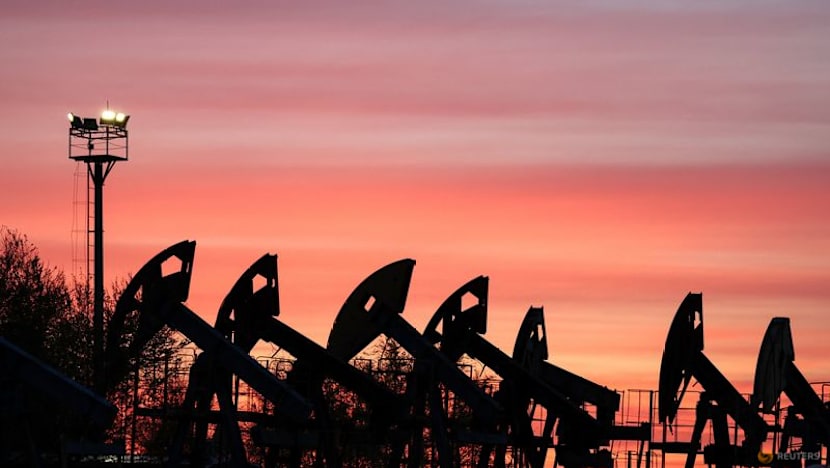
Oil prices experienced a decline on Tuesday, June 30, as investors closely monitored the possibility of U.S.-Iran negotiations in Doha. The market's focus shifted towards the potential diplomatic outcome amid recent missile exchanges that challenged a four-month interim ceasefire.
Brent crude futures for August delivery, which were set to expire, saw a decrease of 1.03 percent, or 75 cents, trading at $72.40 a barrel. The more actively traded September contract also dipped by 0.54 percent, or 40 cents, to $73.51 a barrel. West Texas Intermediate (WTI) in the U.S. fell by 0.66 percent, or 47 cents, to $70.32 a barrel.
Investors are pricing in hopes of a positive outcome from the Doha talks, even though real normalisation of flows through the Strait of Hormuz is not yet visible.
"Investors are pricing in hopes of a positive outcome from the Doha talks, even though real normalization of flows through the Strait of Hormuz is not yet visible," noted Tim Waterer, chief market analyst at KCM Trade. He added, "The market is cautiously hopeful but still hedging its bets until we see more tangible signs of de-escalation."
The market is cautiously hopeful but still hedging its bets until we see more tangible signs of de-escalation.
Adding to the complex situation, Iranian Deputy Foreign Minister Kazem Gharibabadi stated that Iranian and Omani experts would begin discussions on redefining transit routes through the Strait of Hormuz in the coming days, with Iran intending to obstruct vessels outside these defined paths. However, Iran's Foreign Ministry spokesperson Esmaeil Baghaei asserted that no negotiation meetings at any level with the American side would occur in the immediate future.
U.S. President Donald Trump commented on the uncertainty, telling reporters, "The meeting in Doha is going to be perhaps important, perhaps not. We're going to find out." The ambiguity surrounding potential U.S.-Iran talks underscored the delicate nature of the June 17 agreement aimed at pausing hostilities that had disrupted global oil supplies through the Strait of Hormuz and presented a political challenge for Trump ahead of the November congressional elections. Israel has not participated in the U.S.-Iran peace talks and has distanced itself from the agreement.
The meeting in Doha is going to be perhaps important, perhaps not. We're going to find out.
DistantNews Editorial
Originally published by CNA in English. Translated, summarized, and contextualized by our editorial team with added local perspective. Read our editorial standards.
More Stories


From Our Blog

What Gets Lost (and Found) When News Is Translated

The Critical Role of Diaspora Media in Global News

What Travellers Should Know About Countries with Restricted Press

A Digital Nomad's Guide to Following Local News

How the Same Story Looks Different in Different Countries
