


Oil Prices Fall as Tankers Exit Strait of Hormuz Amid Easing Supply Concerns
Translated from English, summarized and contextualized by DistantNews.
At a glance
News
Sources not specified
Context piece
- Oil prices declined as tankers resumed passage through the Strait of Hormuz following a preliminary accord to end the U.S.-Israeli war with Iran.
- Brent crude futures fell to $73.34 a barrel, and WTI futures dropped to $70.07, nearing pre-war levels.
- The U.S. Energy Secretary stated that Strait of Hormuz flows are nearing pre-war levels, with complete normalcy expected in a few weeks.
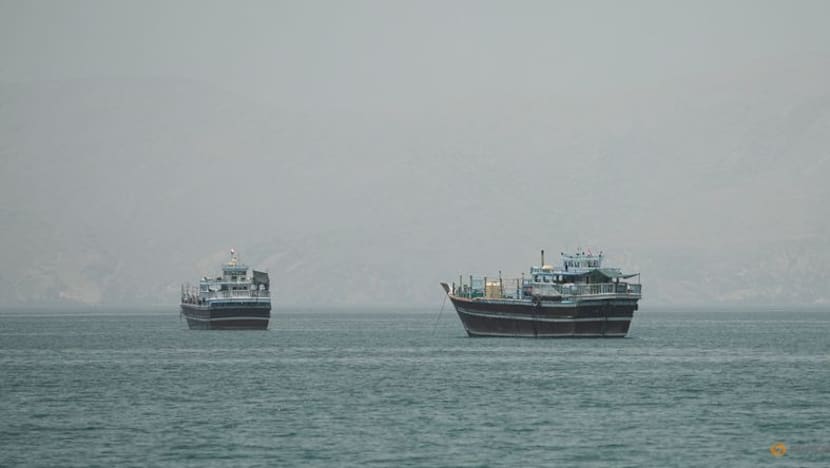
Oil prices extended their decline on Thursday, approaching pre-war levels as tankers began exiting the Strait of Hormuz. This development follows an initial accord to end the U.S.-Israeli war with Iran, easing supply concerns that had previously driven prices higher.
Prompt-month Brent crude futures for August delivery fell 0.54 percent to $73.34 a barrel, while U.S. West Texas Intermediate (WTI) futures dropped 0.38 percent to $70.07 a barrel. The speed of this price decrease has surprised markets, which are now pricing in a much faster return of Middle Eastern oil supplies than anticipated just two weeks ago. Brent crude had already fallen more than $3 on Wednesday as supply concerns eased.
U.S. Energy Secretary Chris Wright indicated on Wednesday that traffic through the Strait of Hormuz is close to pre-war levels. He reported that at least 20 million barrels had exited the strait in the preceding 24 hours. Wright noted that a return to complete normalcy would take several weeks, as the strait requires demining. An initial accord reached last week to end the U.S.-Israeli war, which commenced on February 28, has allowed traffic to restart. The agreement includes a 60-day negotiation period to address more complex issues, such as Iran's nuclear program.
The speed of this decline has caught plenty off guard as markets price in a much faster return of Middle Eastern barrels than most had anticipated just a fortnight ago.
Wright also stated that oil would continue to flow through the strait even if the deal falters, and Iran would be unable to close it again. Oman opened temporary routes on Wednesday to facilitate tanker departures from the Strait of Hormuz, with coordination from the International Maritime Organization and Omani authorities. Qatar's prime minister visited Oman for discussions on managing the strait's future with Iran, Iraq, and Gulf states.
Meanwhile, U.S. total crude stocks reached their lowest point since 1984 last week, according to the Energy Information Administration. This decrease is attributed to strong refining demand and the release of oil from the U.S. emergency reserve. However, market participants appeared unfazed by this data, focusing instead on the developments in the Strait of Hormuz.
flows through the Strait of Hormuz were close to what they were before the start of the Iran war, saying at least 20 million barrels had exited the strait in the last 24 hours.
DistantNews Editorial
Originally published by CNA in English. Translated, summarized, and contextualized by our editorial team with added local perspective. Read our editorial standards.
More Stories



From Our Blog

What Gets Lost (and Found) When News Is Translated

The Critical Role of Diaspora Media in Global News

What Travellers Should Know About Countries with Restricted Press

A Digital Nomad's Guide to Following Local News

How the Same Story Looks Different in Different Countries
