


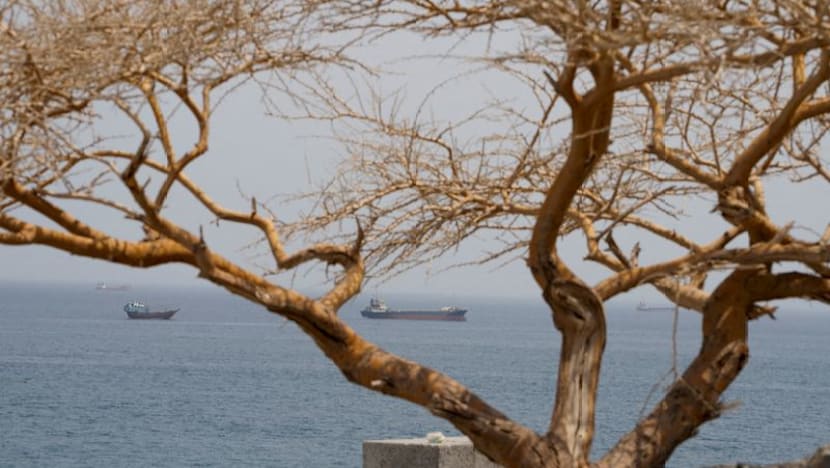
Oil prices rise on Middle East conflict stalemate, but gains limited
Translated from English, summarized and contextualized by DistantNews.
At a glance
News
Sources not specified
Context piece
- Oil prices increased due to a stalemate in diplomatic efforts concerning the Middle East conflict.
- However, the absence of significant supply disruptions limited the extent of the price gains.
- Analysts suggest prices may not rise substantially unless there are further disruptions to oil flow through key shipping straits.
Oil prices saw a rise on Monday, driven by a lack of progress in diplomatic efforts to resolve the Middle East conflict. Brent crude futures climbed by 1.04 percent to $89.44, while U.S. West Texas Intermediate crude futures increased by 0.67 percent to $82.95 a barrel. These gains follow a more than 5 percent surge last week, spurred by attacks on tankers and a refinery.
For now, prices were trading close to $90 as traders weigh the risk of deeper disruption and shortages against the possibility of a resolution where the Strait of Hormuz is reopened and oil prices fall sharply.
Despite the current tensions, the potential for further significant price increases appears limited. Analysts note that substantial upward movement is unlikely unless there is a halt in crude flow through the Strait of Hormuz or a closure of the Bab el-Mandeb Strait. For now, prices are hovering around $90 as traders balance the risk of deeper disruptions against the possibility of a diplomatic resolution that could lead to a sharp price decline.
Shipping through the Strait of Hormuz remains restricted, and negotiations have reached a stalemate, both of which limit the potential for further decline.
Recent diplomatic statements indicate continued complexity in negotiations. Iran's foreign minister has stated that a decision on resuming talks with the United States has not been made, while the U.S. president has urged Americans to accept slightly higher gasoline prices. Talks with Oman are ongoing but are described as lengthy due to the involvement of multiple actors and efforts to undermine the process. Shipping through the Strait of Hormuz has also slowed, with very few commodity vessels transiting over the weekend compared to previous weeks.
In the absence of new catalysts, oil prices could continue to consolidate around current levels.
DistantNews Editorial
Originally published by CNA in English. Translated, summarized, and contextualized by our editorial team with added local perspective. Read our editorial standards.
More Stories

From Our Blog

What Gets Lost (and Found) When News Is Translated

The Critical Role of Diaspora Media in Global News

What Travellers Should Know About Countries with Restricted Press

A Digital Nomad's Guide to Following Local News

How the Same Story Looks Different in Different Countries
