


Oil prices steady as investors weigh impact of expanded US sanctions against Iran
Summarized and contextualized by DistantNews.
At a glance
News
Named sources
Context piece
- Oil prices stabilized on Tuesday after a more than 2% drop, as markets assessed the impact of expanded U.S. sanctions against Iran.
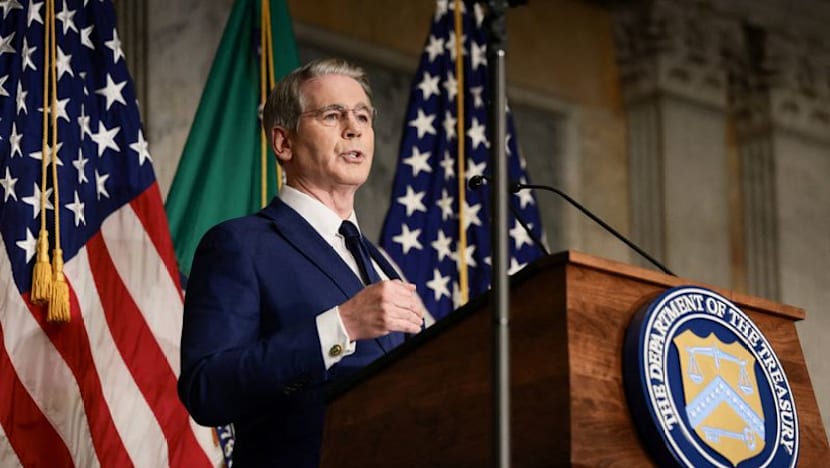
- U.S. Treasury Secretary Scott Bessent announced expanded sanctions to cut off Iran's economic lifeline, but declined to name targeted countries or specify penalty timing.
- Analysts suggest economic pressure is a lower-risk path than military action, though Iran retains the ability to disrupt shipping, keeping a residual premium in oil prices.
Oil prices found a steady footing on Tuesday, recovering from a more than 2% decline in the previous session. Investors are now weighing the implications of expanded U.S. secondary sanctions targeting Iran's economy.
Brent crude futures saw a slight dip, while U.S. West Texas Intermediate crude experienced a marginal increase. The previous day's fall was attributed to profit-taking after a two-week rally. U.S. Treasury Secretary Scott Bessent revealed an expansion of sanctions aimed at severing Iran's economic lifeline, urging countries to cut business ties or face exclusion from the dollar-based financial system. However, Bessent withheld specific details on targeted nations and the effective date of penalties, stating a compliance period would be provided.
Markets appear to be pricing economic pressure as a lower-risk path for physical supply than kinetic action, which is why the initial reaction was for oil to move lower rather than spike higher.
While U.S. Defense Secretary Pete Hegseth did not rule out military force, the administration's focus appears to be on economic coercion. Analysts believe this approach reduces immediate concerns about threats to Middle Eastern oil supply. "Markets appear to be pricing economic pressure as a lower-risk path for physical supply than kinetic action, which is why the initial reaction was for oil to move lower rather than spike higher," noted Tim Waterer, chief market analyst at KCM.
However, Waterer cautioned that "Iran still retains the ability to respond by disrupting shipping, which continues to keep a residual premium in the oil price." This threat was underscored by an incident where an oil tanker was struck by an unidentified projectile near Oman. Iran continues to assert control over the Strait of Hormuz, a critical chokepoint for global oil transport, and has threatened action against tankers violating its rules. The ongoing disruptions have led to significant drawdowns in commercial and strategic oil reserves, with U.S. crude oil stocks in the Strategic Petroleum Reserve falling to their lowest level since November 1982.
Iran still retains the ability to respond by disrupting shipping, which continues to keep a residual premium in the oil price.
DistantNews Editorial
Originally published by CNA. Summarized and contextualized by our editorial team with added local perspective. Read our editorial standards.
More Stories


From Our Blog

What Gets Lost (and Found) When News Is Translated

The Critical Role of Diaspora Media in Global News

What Travellers Should Know About Countries with Restricted Press

A Digital Nomad's Guide to Following Local News

How the Same Story Looks Different in Different Countries
