


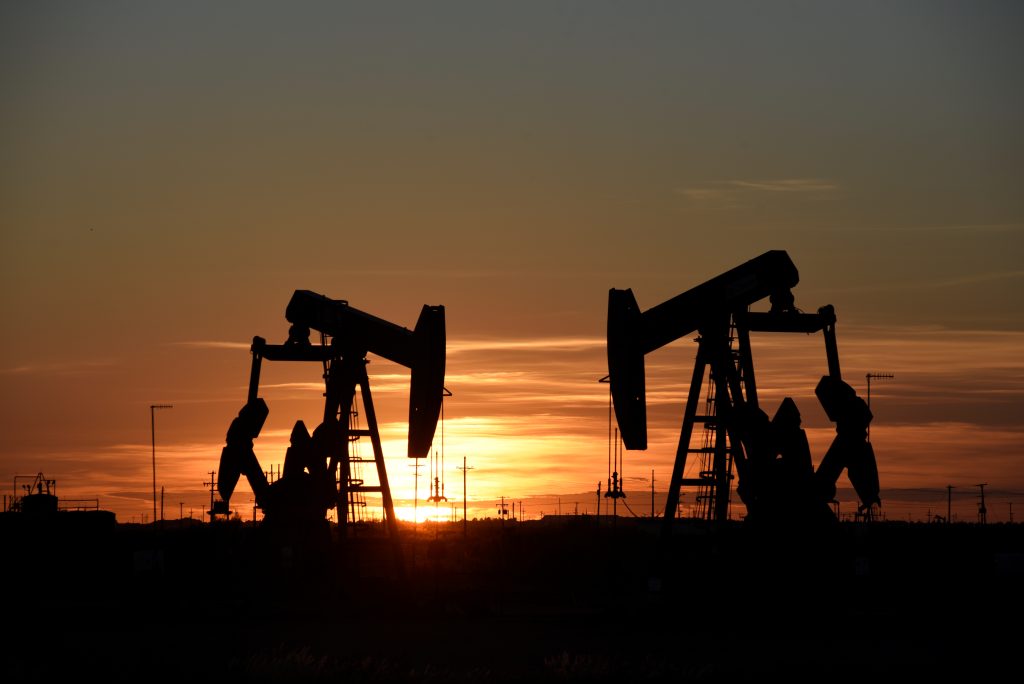
Oil Prices Surge Over 4% Amid Israel-Iran Tensions, Brent Tops $97
Translated from French, summarized and contextualized by DistantNews.
At a glance
News
Named sources
Ongoing story
- Oil prices surged over 4% on Monday, with Brent crude surpassing $97 per barrel.
- The increase is driven by escalating military tensions between Israel and Iran, and renewed attacks in Lebanon.
- Fears of a prolonged blockade of the Strait of Hormuz, a vital global energy supply route, are contributing to market anxiety.
Oil prices experienced a significant surge of over 4% on Monday, driven by escalating military tensions between Israel and Iran, alongside renewed attacks in Lebanon. The Brent crude benchmark crossed the $97 per barrel mark, while U.S. West Texas Intermediate (WTI) crude also saw substantial gains. This sharp rise erased previous losses from Friday, when markets had hoped for de-escalation.
The immediate catalyst for the price jump was an Israeli strike on an Iranian petrochemical complex in Mahshahr, in southwestern Iran, as well as attacks on several military targets. An Iranian provincial official confirmed damage to parts of the facility to the semi-official Fars news agency. This strike occurred despite reports that U.S. President Donald Trump had urged Israeli Prime Minister Benjamin Netanyahu to refrain from further strikes against Iran.
The situation is further inflamed by Iran's retaliatory missile strikes on Israeli targets in response to Israeli attacks in Lebanon the previous day. This cycle of escalation has proven difficult for the international community to contain. Despite the volatile situation, President Trump maintained on Monday that an agreement to end the conflict remained within reach, a statement markets have met with skepticism.
Central to investor anxiety is the Strait of Hormuz, a strategic chokepoint through which approximately one-fifth of the world's daily oil and liquefied natural gas supply normally flows. Any disruption in this narrow passage has immediate and global repercussions on energy prices. Analysts note that the exchange of fire between Iran and Israel is fueling concerns that flows through the strait could remain restricted for an extended period, thus driving up oil prices.
DistantNews Editorial
Originally published by El Watan in French. Translated, summarized, and contextualized by our editorial team with added local perspective. Read our editorial standards.
More Stories
From Our Blog

What Gets Lost (and Found) When News Is Translated

The Critical Role of Diaspora Media in Global News

What Travellers Should Know About Countries with Restricted Press

A Digital Nomad's Guide to Following Local News

How the Same Story Looks Different in Different Countries
