


Oil Rises as US Strikes on Iran Raise Fears Over Shaky Truce
Summarized and contextualized by DistantNews.
At a glance
News
Named sources
Ongoing story
- Oil prices rose more than 2% after U.S. airstrikes on Iran and the reimposition of crude sales sanctions, sparking fears of disrupted Middle East supplies.
- Brent crude futures climbed 2.6% to $76.08 a barrel, and WTI crude futures rose 2.6% to $72.26 a barrel.
- The U.S. action followed Iranian attacks on three commercial vessels in the Strait of Hormuz, highlighting the fragility of passage through the key waterway.
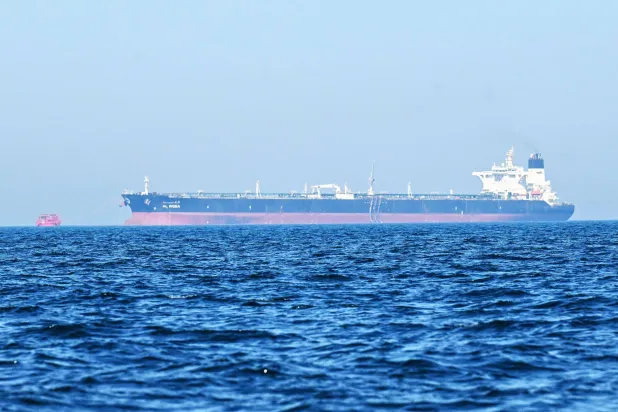
Oil prices surged over 2% on Wednesday, driven by U.S. airstrikes against Iran and the reinstatement of crude sales sanctions. This escalation has reignited concerns about potential disruptions to Middle East oil supplies, threatening a fragile truce between the two nations. Brent crude futures saw a 2.6% increase, reaching $76.08 per barrel, while U.S. West Texas Intermediate crude futures also climbed 2.6%, settling at $72.26 a barrel. The U.S. military's actions were a direct response to Iran's attacks on three commercial vessels transiting the Strait of Hormuz. U.S. Central Command confirmed the strikes on Tuesday. Analysts noted that while the revocation of a general license authorizing Iranian crude sales might not fundamentally alter market dynamics, it significantly impacts market sentiment. "It heightens the risk of a breakdown in the temporary deal between the U.S. and Iran," stated ING strategists. The attacks serve as a stark reminder of the precariousness of maritime traffic through the Strait of Hormuz, a critical chokepoint for global energy transport. "The current conflagration is a reminder to the market of how fragile passage through the Strait still is," said Saul Kavonic, head of research at MST Marquee. He added that persistent tensions and reduced traffic through the waterway could support higher oil prices, potentially forcing traders with significant short positions to cover. Following a truce agreement last month, oil prices had fallen to pre-war levels, with traders betting on further declines due to expectations of increased Middle East supply. The renewed hostilities have renewed concerns about tanker traffic, which previously accounted for about one-fifth of global energy supply before the recent conflict began.
While the revocation doesn't fundamentally change oil market dynamics, it's important from a sentiment perspective. It heightens the risk of a breakdown in the temporary deal between the U.S. and Iran.
DistantNews Editorial
Originally published by Asharq Al-Awsat. Summarized and contextualized by our editorial team with added local perspective. Read our editorial standards.
More Stories


From Our Blog

What Gets Lost (and Found) When News Is Translated

The Critical Role of Diaspora Media in Global News

What Travellers Should Know About Countries with Restricted Press

A Digital Nomad's Guide to Following Local News

How the Same Story Looks Different in Different Countries
