


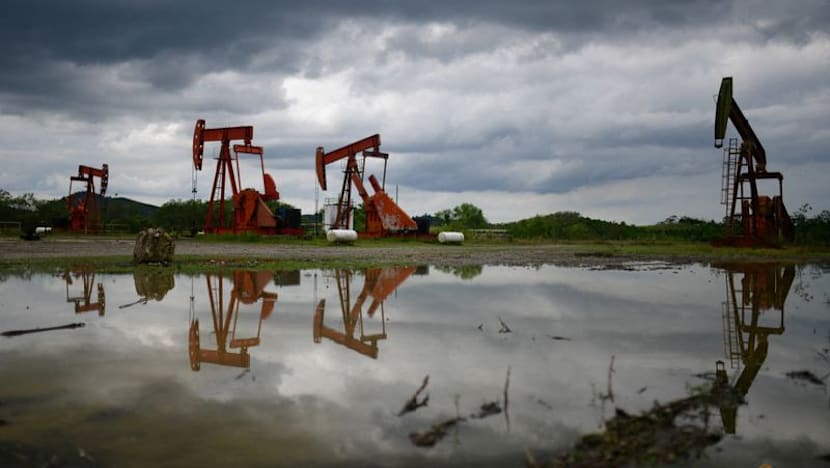
Oil Rises Slightly as Investors Await Clarity After Iran-Israel Halt Attacks
Translated from English, summarized and contextualized by DistantNews.
At a glance
News
Named sources
Context piece
- Oil prices saw a slight increase as markets await further developments following a halt in attacks between Iran and Israel.
- Brent crude futures rose 0.14% to $94.38 a barrel, and U.S. West Texas Intermediate gained 0.12% to $91.41.
- Investors remain cautious due to geopolitical tensions, with the market pricing in continued uncertainty rather than a lasting resolution.
Oil prices edged up in early trading on Tuesday, reflecting investor caution as Iran and Israel paused hostilities following an appeal from U.S. President Donald Trump. Brent crude futures increased by 13 cents, or 0.14 percent, to $94.38 a barrel, while U.S. West Texas Intermediate futures rose 11 cents, or 0.12 percent, to $91.41 a barrel.
The market had previously seen prices climb as much as 5 percent in the prior session. This surge followed renewed Israeli strikes on Iran and attacks in Lebanon, which diminished hopes for an immediate end to the wider conflict. However, gains were pared after Iran's armed forces announced the cessation of military operations against Israel.
While there is some relief from the latest pause in direct strikes, investors are not convinced the truce will hold. The market is pricing in continued uncertainty rather than a lasting resolution.
"While there is some relief from the latest pause in direct strikes, investors are not convinced the truce will hold," said Tim Waterer, chief market analyst at KCM Trade. He added that the market is currently pricing in ongoing uncertainty rather than a definitive resolution to the conflict.
Both Iran and Israel indicated they had halted attacks on each other after Trump urged them to "stop 'shooting.'" Tehran, however, stated it would resume strikes if Israel continued to target Hezbollah in Lebanon. "While this helped stop the situation snowballing, the geopolitical backdrop remains tense, and a lasting peace deal remains elusive," commented Tony Sycamore, a market analyst at IG.
While this helped stop the situation snowballing, the geopolitical backdrop remains tense, and a lasting peace deal remains elusive.
Israeli Prime Minister Benjamin Netanyahu affirmed that Israel would retaliate with force if Iran attacked again. Trump had previously warned Netanyahu in an interview that he might face the conflict alone if he resumed hostilities with Iran. "The key question is whether current de-escalation efforts can finally translate into a longer-lasting resolution, or if we're simply in another temporary lull," Waterer noted.
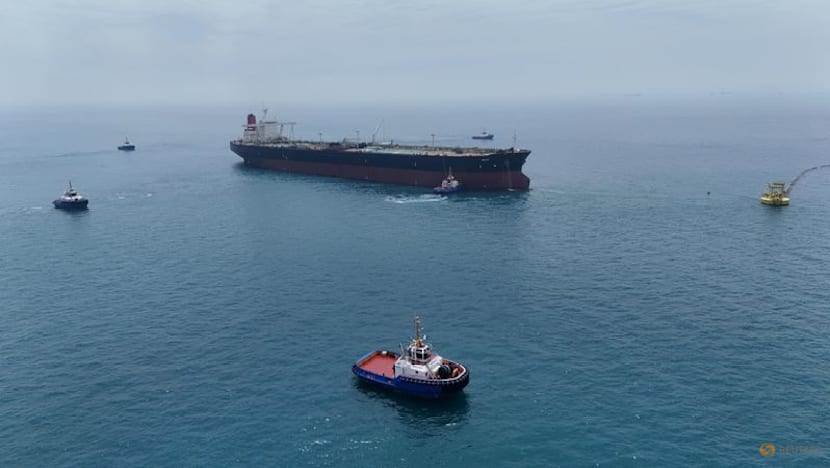
One significant issue in ongoing peace talks involves the reopening of the Strait of Hormuz, a crucial shipping lane through which approximately one-fifth of global oil supply passed before U.S. and Israeli airstrikes on Iran in late February. On Monday, U.S. forces disabled an oil tanker in the Gulf of Oman that was attempting to sail to an Iranian port, violating the ongoing blockade against Iran, according to the U.S. military.
The key question is whether current de-escalation efforts can finally translate into a longer-lasting resolution, or if we're simply in another temporary lull.
DistantNews Editorial
Originally published by CNA in English. Translated, summarized, and contextualized by our editorial team with added local perspective. Read our editorial standards.
More Stories

From Our Blog

What Gets Lost (and Found) When News Is Translated

The Critical Role of Diaspora Media in Global News

What Travellers Should Know About Countries with Restricted Press

A Digital Nomad's Guide to Following Local News

How the Same Story Looks Different in Different Countries
