


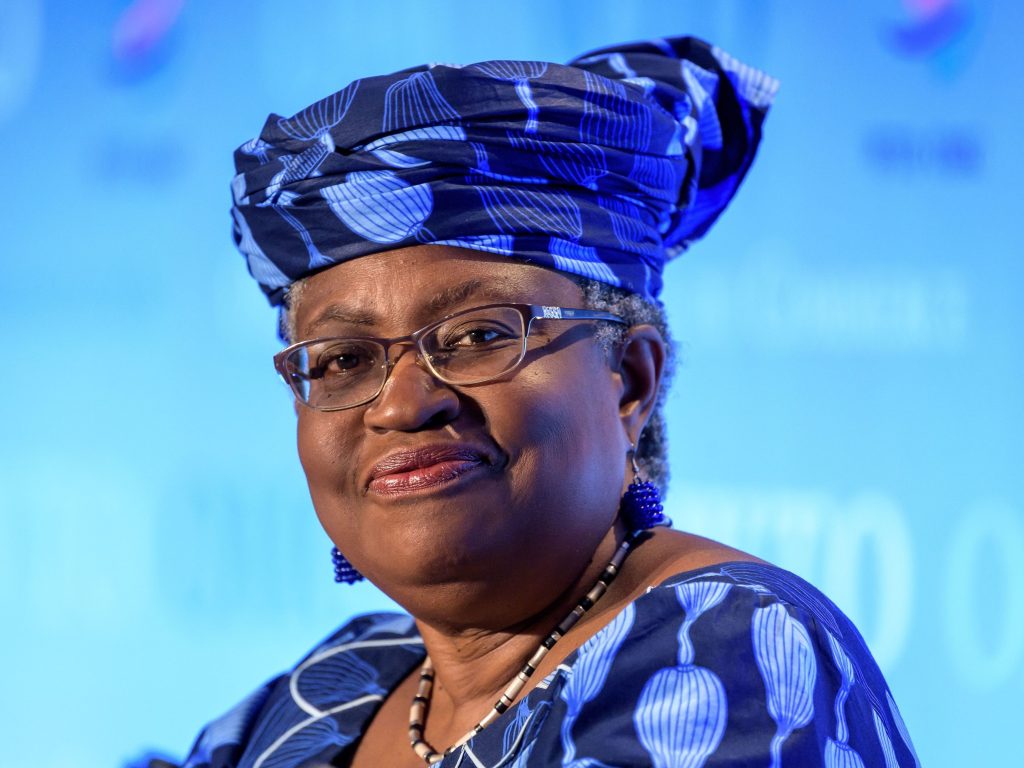
Okonjo-Iweala urges Nigeria to sustain reforms, manage debt cautiously
Summarized and contextualized by DistantNews.
At a glance
News
Named sources
Context piece
- - World Trade Organisation Director-General Ngozi Okonjo-Iweala urged Nigeria to maintain economic reforms and manage debt cautiously.
- She stressed the need for job creation and ensuring citizens benefit from reforms, particularly in the real economy.
- Okonjo-Iweala also advised African nations to leverage global supply chain diversification for higher value addition beyond raw material exports.
Dr. Ngozi Okonjo-Iweala, the Director-General of the World Trade Organisation, has called on Nigeria to sustain its current economic reforms while exercising prudence in debt management. Speaking at the 7th Africa Emerging Markets Forum in Abuja, she emphasized that the benefits of these reforms must be tangible to citizens, particularly through job creation.
Okonjo-Iweala commended the Central Bank of Nigeria's monetary and foreign exchange reforms, urging continued commitment to macroeconomic stability and fiscal discipline. "Nigeria needs to continue the work on overall macroeconomic reforms with a careful approach to fiscal issues, contracting of debt, and debt management," she stated. "Above all, Nigeria needs to focus on creating jobs and economic opportunities for a young and hungry population. Nigerians have to feel the dividends of reform in the real economy."
Nigeria needs to continue the work on overall macroeconomic reforms with a careful approach to fiscal issues, contracting of debt, and debt management. Above all, Nigeria needs to focus on creating jobs and economic opportunities for a young and hungry population. Nigerians have to feel the dividends of reform in the real economy.
Despite geopolitical tensions, Okonjo-Iweala noted the resilience of global trade, which reached a record $34.65 trillion in 2025. She highlighted that predictions of widespread trade fragmentation had not materialized, with a significant portion of global goods trade still operating under WTO rules. She encouraged African countries to capitalize on the diversification of global supply chains, especially in critical minerals, advocating for a shift from an "extract-and-export model" to developing regional value chains and processing industries for higher value and productivity growth.
Central Bank of Nigeria Governor Olayemi Cardoso, also speaking at the forum, emphasized Africa's need to transform global disruptions into opportunities through robust institutions, deeper regional integration, and increased investment in technology. He pointed out that trade fragmentation, selective capital flows, and rapid advancements in artificial intelligence are reshaping the global economy. Cardoso lamented that intra-African trade remains low at approximately 16 percent, underscoring the need for stronger regional value chains, improved infrastructure, and harmonized customs systems.
For Africa in particular, instead of the extract-and-export model… the goal should be higher value, higher productivity growth driven by the development of sub-regional value chains.
DistantNews Editorial
Originally published by The Punch. Summarized and contextualized by our editorial team with added local perspective. Read our editorial standards.
More Stories


From Our Blog

How the Same Story Looks Different in Different Countries

What Gets Lost (and Found) When News Is Translated

The Critical Role of Diaspora Media in Global News

What Travellers Should Know About Countries with Restricted Press

A Digital Nomad's Guide to Following Local News
