


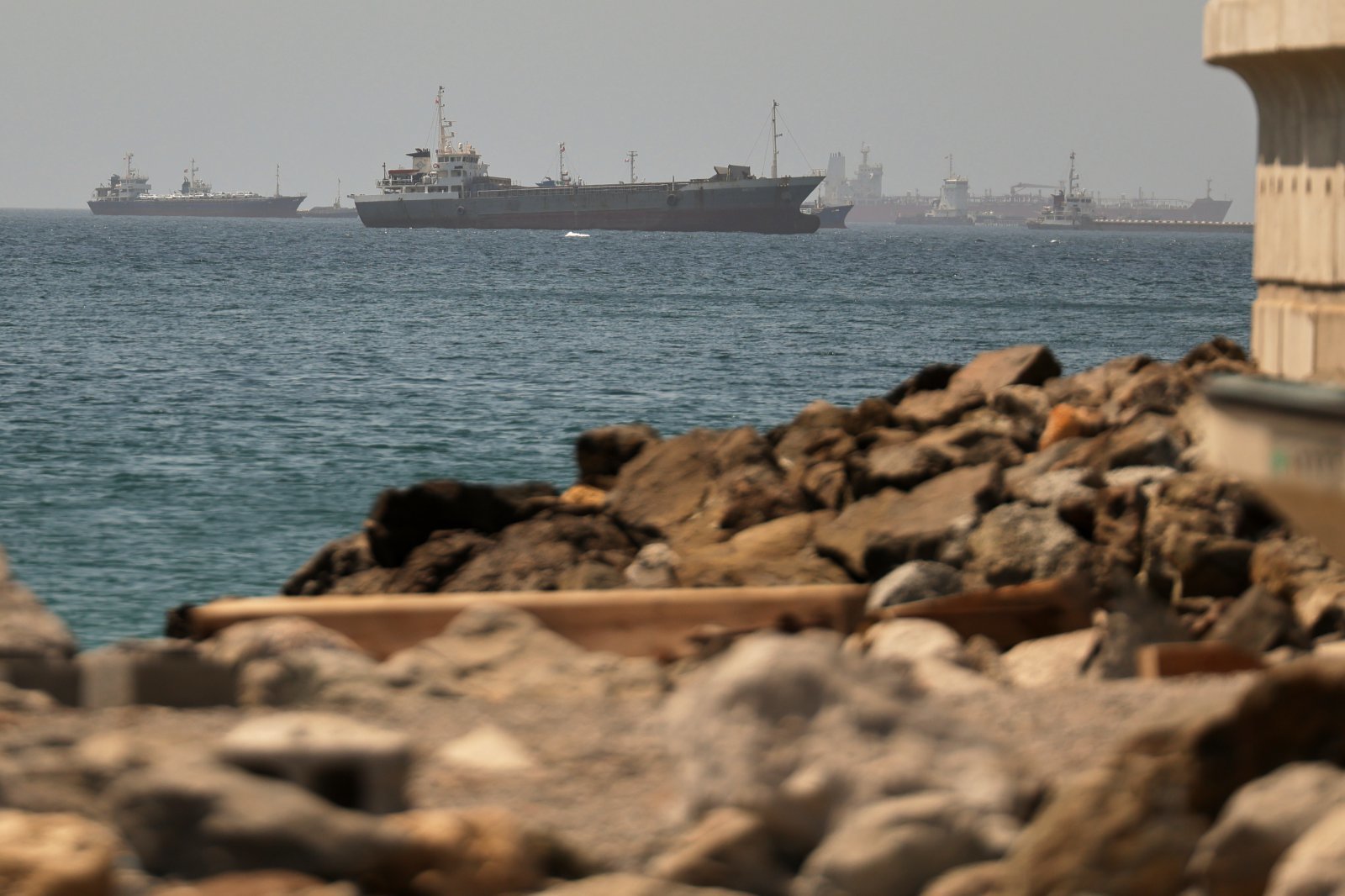
Oman Proposes 'Service Fee' for Strait of Hormuz Transit, Signaling Closer Ties with Iran
Translated from Korean, summarized and contextualized by DistantNews.
At a glance
News
Sources not specified
Context piece
- Oman has formally proposed a "service fee" to the United States for ships transiting the Strait of Hormuz, signaling closer cooperation with Iran.
- The proposed fee is presented as voluntary, drawing inspiration from a similar model used in the Strait of Malacca and Singapore.
- Iran has indicated its intention to negotiate passage and maritime services in the Strait with Oman and other coastal nations, contingent on the end of US-Iran negotiations.
Oman has officially proposed a "service fee" to the United States for vessels navigating the Strait of Hormuz, a move that appears to solidify cooperation with Iran on managing this critical waterway. This proposal comes after Oman had previously maintained a cautious stance on any transit fee plans opposed by the U.S., but now seems to be operationalizing Iran's suggestion for joint management of the strait.
The New York Times reported on June 30, citing multiple diplomatic sources and Iranian officials, that Oman recently submitted a formal proposal to the U.S. and other Western nations. This proposal outlines a system where ships using the Strait of Hormuz would pay a service fee. Oman has clarified that this is intended as a voluntary contribution rather than a mandatory toll.
This concept of a service fee is reportedly modeled after the navigational safety fund system operating in the Strait of Malacca and Singapore. In those straits, a private foundation collects voluntary contributions to ensure safe passage. Oman's Foreign Minister, Badr Al-Busaidi, stated in a radio interview on June 28 that maintaining the waters safely and without pollution "undoubtedly incurs costs," and that "lessons can be learned from existing examples."
In response, Iran's Foreign Ministry spokesperson, Esmaeil Baghaei, indicated on the same day that Iran would negotiate future passage and maritime services in the Strait of Hormuz with Oman and other coastal nations, in accordance with applicable international law and the sovereign rights of the littoral states. He added that discussions would also involve other Persian Gulf coastal nations.
Iran has repeatedly expressed its intention to impose transit fees on the Strait of Hormuz once its negotiations with the United States conclude. Mohammad Bagher Ghalibaf, head of Iran's negotiation team for the ceasefire agreement, stated during a televised address that the current memorandum of understanding (MOU) only permits free passage through the Strait of Hormuz for 60 days. He emphasized that this measure was largely for ships stranded due to potential blockades during the conflict's outbreak and that Iran, as the owner of the strait's waters, would never relinquish its rights.
DistantNews Editorial
Originally published by Dong-A Ilbo in Korean. Translated, summarized, and contextualized by our editorial team with added local perspective. Read our editorial standards.
More Stories



From Our Blog

What Gets Lost (and Found) When News Is Translated

The Critical Role of Diaspora Media in Global News

What Travellers Should Know About Countries with Restricted Press

A Digital Nomad's Guide to Following Local News

How the Same Story Looks Different in Different Countries
