

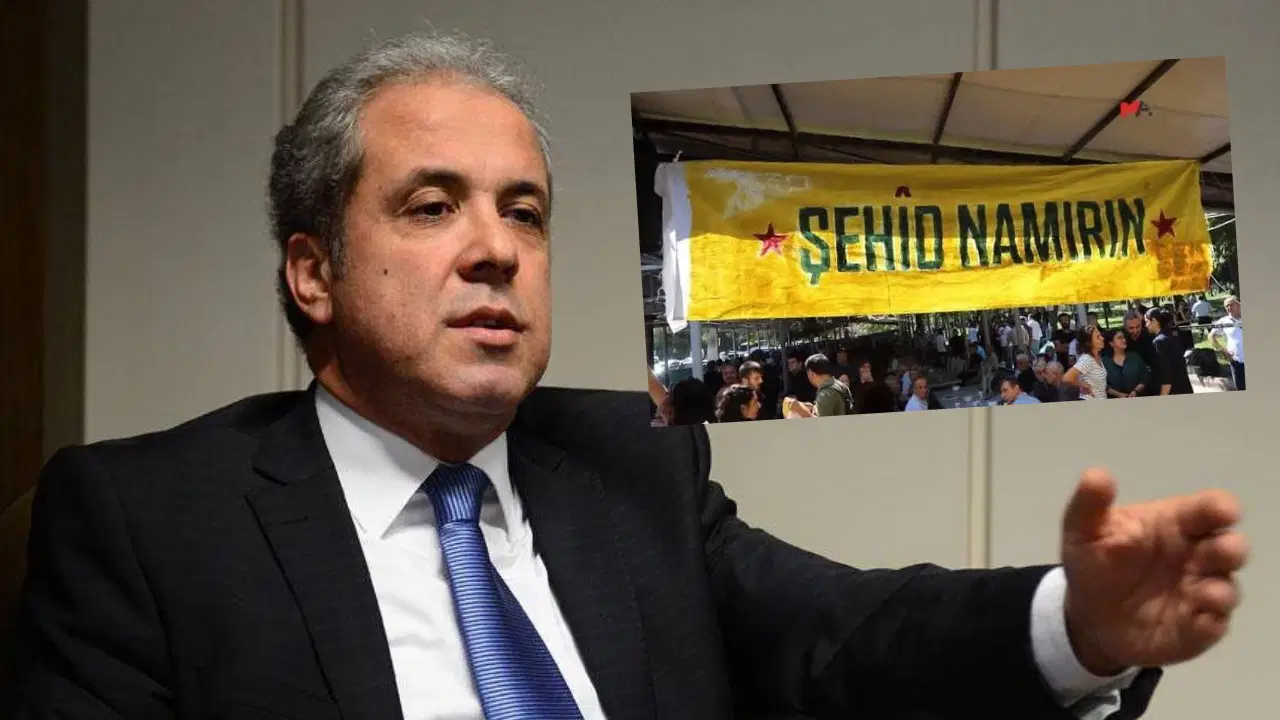

One Flag, One Syria: The Test of Unity Begins
Translated from English and summarized by DistantNews. Read the original for the full story.
At a glance
Analysis
Named sources
New plan
- Syria’s government reached an agreement to dissolve and integrate the YPG/SDF into state structures after talks between President Ahmed al-Sharaa and Ferhat Abdi Şahin.
- Şahin will become a presidential adviser, while Ilham Ahmed will join the People’s Assembly; YPG units will enter Syrian Army brigades and female units will join the Internal Security Forces.
- The article identifies supervision, border control, smuggling networks and the transfer of heavy weapons as the main tests of the agreement.
The dissolution of the YPG/SDF on Aug. 25 marked what the article calls a crowning achievement for the process launched by Syria’s Dec. 8 revolution. It also begins a more difficult test: turning an agreement between political and military leaders into effective state control across eastern Syria.
President Ahmed al-Sharaa and YPG leader Ferhat Abdi Şahin, also known as Mazloum Kobani, held high-level talks in Damascus on March 10, 2025. The reconciliation process faced repeated friction during the following year. The article says that al-Sharaa’s firm position, combined with changes in regional and global conditions, eventually enabled the organization’s full integration into state structures.
The terms favor Damascus. Şahin is to serve as a presidential adviser, while another senior YPG figure, Ilham Ahmed, has been appointed to the People’s Assembly. The larger operational question concerns the absorption of YPG forces. YPG units operating under the SDF umbrella are expected to join Syrian Army brigades. Female militant units will instead enter the Internal Security Forces because the Syrian Armed Forces lack an institutional framework for female combatants.
Both sets of forces are expected to remain in eastern Syria, especially in border areas. That deployment creates vulnerabilities, the article says. Their distance from Damascus could allow de facto operational autonomy, delay full integration and preserve established smuggling networks. The central government will need to supervise the consolidated forces and secure the border zones.
Another priority is the transfer of the YPG’s heavy and sophisticated weapons into the national military inventory. The agreement is presented as an internal Syrian matter, but the article notes that the organization has historically relied on foreign backing while pursuing regional autonomy. The durability of the arrangement will therefore depend on whether Damascus can turn formal integration into direct and sustained authority over territory, forces and weapons.
About this summary
Originally published by Daily Sabah in English. Translated, summarized, and contextualized automatically by DistantNews, with a note on how the source frames the story. Not individually reviewed before publishing. How this works.
More Stories

From Our Blog

What Gets Lost (and Found) When News Is Translated

The Critical Role of Diaspora Media in Global News

What Travellers Should Know About Countries with Restricted Press

A Digital Nomad's Guide to Following Local News

How the Same Story Looks Different in Different Countries
