

One in eight Mexican teens suffered online sexual abuse in a year: UNICEF urges digital protection
Translated from Spanish, summarized and contextualized by DistantNews.
At a glance
News
Named sources
Context piece
- One in eight internet-using adolescents in Mexico, or 1.6 million, experienced digital sexual exploitation or abuse in a year, according to a UNICEF study.
- The violence often involved people known to the victims, such as friends, partners, or family members, with 67% of incidents occurring online.
- Victims frequently did not report the abuse due to shame or fear, and the study links online abuse to increased risks of self-harm and suicidal thoughts.
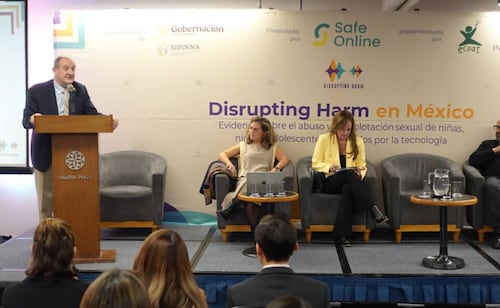
One in eight adolescents using the internet in Mexico, totaling 1.6 million, suffered sexual exploitation or abuse facilitated by digital communication technologies within a one-year period. This finding comes from the "Disrupting Harm Mexico" study, a collaboration between UNICEF, ECPAT International, and INTERPOL.
The research, conducted between 2023 and 2024, revealed that this form of violence is not confined to the digital realm. In nearly two-thirds of cases, victims knew their aggressor, who was often a friend, partner, or family member. While 67% of incidents occurred exclusively online, primarily through social media, the fact that 64% of victims knew their abuser highlights a disturbing overlap between online and offline relationships.
Furthermore, the study indicates a significant underreporting of these incidents. A staggering 32% of victims did not disclose what happened due to shame, fear, or a belief that the event was not serious enough, suggesting a normalization of such violence. Less than 1% of cases were reported to authorities.
This form of violence occurs every day, many times through social media.
The consequences for victims are severe. The study warns that those subjected to this abuse are 15 times more likely to self-harm and 12 times more likely to experience suicidal thoughts or behaviors compared to those not exposed to such violence. UNICEF Representative in Mexico, Fernando Carrera, described online sexual abuse as a "growing, silent, and expanding threat" affecting millions of adolescents and remaining largely unnoticed.
To address this, UNICEF emphasizes the need for a comprehensive, evidence-based response. This includes prevention, support, effective reporting mechanisms, and greater accountability for digital platforms. The organization has offered to assist the Mexican state in strengthening policies and regulations to mitigate online risks.
Mexican childhood already lives in digital environments, where they relate, learn, and exercise rights, so the State's response must focus on guaranteeing their online safety.
DistantNews Editorial
Originally published by El Universal in Spanish. Translated, summarized, and contextualized by our editorial team with added local perspective. Read our editorial standards.
More Stories



From Our Blog

What Press Freedom Means for the News You Read

What Gets Lost (and Found) When News Is Translated

The Critical Role of Diaspora Media in Global News

What Travellers Should Know About Countries with Restricted Press

A Digital Nomad's Guide to Following Local News
