


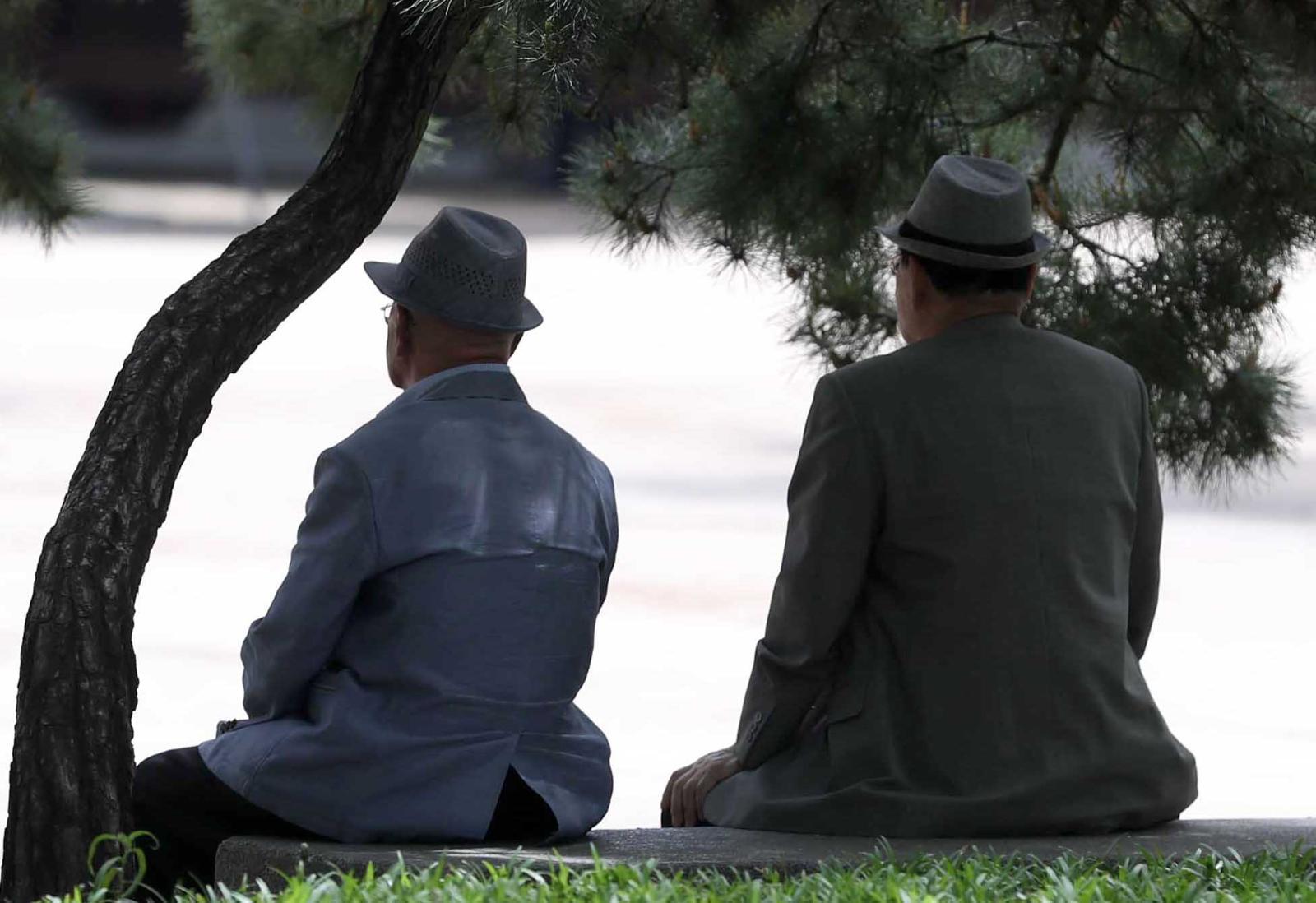
One in three elderly South Koreans lack conversation partners amid rising social isolation
Translated from Korean, summarized and contextualized by DistantNews.
At a glance
News
Named sources
Context piece
- Nearly 30% of South Koreans aged 60 and over report having no one to talk to, indicating significant social isolation.
- South Korea's rate of social isolation is the highest among OECD countries, with 20.6% of the population lacking support in crisis situations.
- The government is expanding pilot programs to prevent social isolation and address lonely deaths, offering tailored support across age groups.
A significant portion of South Korea's elderly population faces profound social isolation, with nearly three in ten individuals aged 60 and above reporting a lack of conversational partners. This stark reality emerged from a policy research seminar hosted by the Ministry of Health and Welfare and the Korea Senior Welfare Development Institute.
The research indicates that in 2025, 33% of the population had no one to turn to for help with household chores or simply to talk to. This figure was higher among men (35.7%) than women (30.5%). Notably, social isolation intensifies with age, affecting 39.4% of those over 60, compared to 24.4% for those aged 19-29. While the need for help with chores showed a slight decrease, the desire to talk to someone when feeling down or depressed increased, particularly among the elderly.
If there is someone who is reluctant to form relationships, it can serve as a medium for connection through practical needs, and it is possible to approach by resolving the stigma.
South Korea's social isolation rate is alarmingly high compared to other developed nations. The OECD average for individuals aged 15 and over reporting no support in crisis situations is 9.51%, while South Korea stands at 20.6%, ranking first among member countries. Greece and Turkey follow, while Japan is ranked sixth. This widespread isolation is a precursor to a growing problem of "lonely deaths."
Government initiatives are underway to combat this crisis. The scope of pilot projects for preventing lonely deaths has been expanded to all 229 local government districts, with a budget of 13.8 billion won secured for 2026. The government is also providing age-specific support services, including mental health recovery for youth, relationship improvement for middle-aged adults, and care linkage and social participation for seniors. One proposed solution involves utilizing senior job programs to foster social connections, such as public laundry services that check on seniors' well-being while washing their clothes, or home repair services that ensure safety.
Preventing social isolation requires cooperation between the government and the private sector.
DistantNews Editorial
Originally published by Dong-A Ilbo in Korean. Translated, summarized, and contextualized by our editorial team with added local perspective. Read our editorial standards.
More Stories



From Our Blog

What Gets Lost (and Found) When News Is Translated

The Critical Role of Diaspora Media in Global News

What Travellers Should Know About Countries with Restricted Press

A Digital Nomad's Guide to Following Local News

How the Same Story Looks Different in Different Countries
