


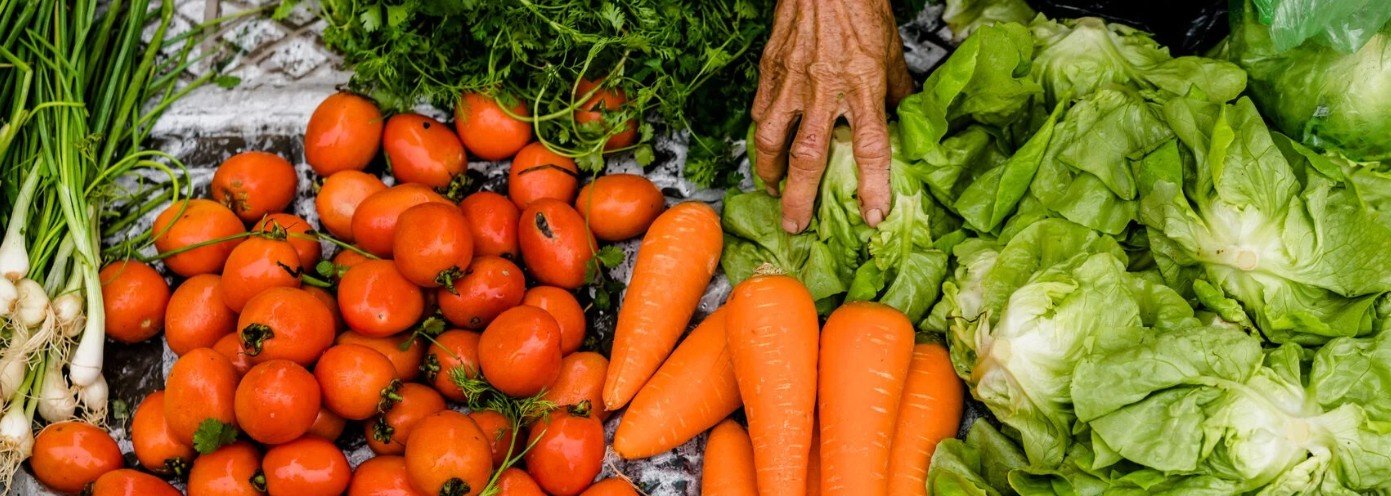
One in Three Globally Cannot Afford Healthy Diet, UN Warns
Translated from Korean, summarized and contextualized by DistantNews.
At a glance
News
Sources not specified
New plan
- One in three people globally cannot afford a healthy diet, with 2.69 billion individuals lacking access to diverse nutritional needs, according to a UN report.
- While global hunger rates are declining, the cost of healthy diets remains a significant barrier, particularly in Africa.
- The report links current agricultural subsidies favoring grains over fruits and vegetables to rising obesity and non-communicable diseases.
A stark warning has emerged from five United Nations agencies: one in every three people worldwide cannot afford a healthy diet, leaving 2.69 billion individuals struggling to meet their nutritional requirements. This finding, detailed in the annual "The State of Food Security and Nutrition in the World 2026" report, underscores the urgent need for measures to reduce food price burdens.
The number of people who cannot afford a healthy diet is extremely high.
Despite a positive trend of declining global hunger rates for three consecutive years, the report highlights that the proportion of people unable to afford a healthy diet remains alarmingly high. The cost of a healthy diet is estimated at $4.28 per day in Purchasing Power Parity (PPP) dollars, significantly exceeding the extreme poverty line of $3 PPP dollars per day.
The cost is significantly higher than the extreme poverty line.
Experts point to current agricultural policies as a contributing factor. Subsidies predominantly favor staple grains over more nutritious foods like meat, dairy, fruits, and vegetables. This imbalance increases calorie intake but compromises dietary diversity, which is linked to rising rates of obesity and chronic diseases such as cancer and diabetes. Adult obesity rates have notably increased from 12.1% in 2012 to 16.2% in 2024.
Calorie intake increases, but dietary diversity is not secured.
The situation is most severe in Africa, where 66.6% of the population cannot afford a healthy diet, more than double the rates in Asia and Latin America. Africa has also surpassed Asia in the number of hungry people, with approximately 309 million facing hunger. While the overall hunger rate is decreasing, the increase in absolute numbers is attributed to population growth. The report also notes that reduced overseas development aid and potential disruptions to shipping in the Strait of Hormuz due to Middle East conflicts could impact future figures.
Adult obesity rates are increasing very steeply.
DistantNews Editorial
Originally published by Dong-A Ilbo in Korean. Translated, summarized, and contextualized by our editorial team with added local perspective. Read our editorial standards.
More Stories



From Our Blog

What Gets Lost (and Found) When News Is Translated

The Critical Role of Diaspora Media in Global News

What Travellers Should Know About Countries with Restricted Press

A Digital Nomad's Guide to Following Local News

How the Same Story Looks Different in Different Countries
