

Online disinformation fueled deadly Ceuta migrant surge, analysts say
Translated from English, summarized and contextualized by DistantNews.
At a glance
News
Named sources
Context piece
- Analysts say social media disinformation fueled a surge of tens of thousands of migrants into Spain's Ceuta territory.
- Official figures indicate 78 migrants drowned attempting the crossing, with Morocco reporting 11 deaths on its side.
- Spanish authorities are investigating a possible misinterpretation of a court ruling as the catalyst for the online rumors.
A wave of social media disinformation drove tens of thousands of migrants to surge into Spain's north African territory of Ceuta last week, analysts told AFP. Official Spanish figures show 78 migrants drowned attempting the perilous journey, while Morocco reported 11 deaths on its side of the border.
the Ceuta border is open
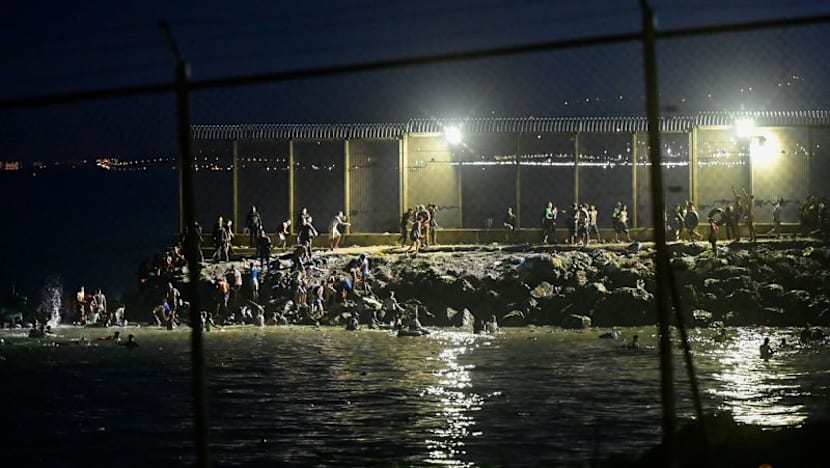
An unprecedented 72,000 people poured into Ceuta from Morocco between July 30 and August 6, mostly by swimming around a sea barrier. A rumor that "the Ceuta border is open" spread rapidly online, fueling the dangerous rush. An online campaign generating 11 million views from early July amplified the surge, according to a report by security analyst Chema Gil. An investigation by Golden Owl concluded the migrant rush was "a deliberately organised operation."
there was evidence that this was going to happen
Experts like Marcelino Madrigal, a social media and security specialist, noted "evidence that this was going to happen," with rumors and messages appearing mainly on Facebook and WhatsApp. However, identifying the origin of the disinformation remains impossible. Spanish Prime Minister Pedro Sanchez blamed human trafficking gangs, while carefully avoiding criticism of Morocco due to delicate diplomatic relations.
Rumours, messages and groups that caused this crisis
Spanish officials pointed to a misinterpretation of a Supreme Court ruling concerning irregular migrants arriving by sea. An Instagram post shortly after the ruling claimed the border was open. However, legal experts clarified that the ruling did not equate to an open border for sea arrivals, but rather a different procedure for those intercepted at sea, which still requires basic guarantees.
spread by accounts that were unidentifiable and had practically no interactions, which raises questions about the possible use of mass-diffusion algorithms
DistantNews Editorial
Originally published by CNA in English. Translated, summarized, and contextualized by our editorial team with added local perspective. Read our editorial standards.
More Stories


From Our Blog

What Gets Lost (and Found) When News Is Translated

The Critical Role of Diaspora Media in Global News

What Travellers Should Know About Countries with Restricted Press

A Digital Nomad's Guide to Following Local News

How the Same Story Looks Different in Different Countries
