


OPEC+ approves fourth oil output quota hike since Hormuz closure
Summarized and contextualized by DistantNews.
At a glance
News
From a news agency
Context piece
- OPEC+ agreed to a fourth oil output quota increase in as many months, despite ongoing supply disruptions.
- The war has impacted oil flows via the Strait of Hormuz, preventing members from fully supplying customers since late February.
- Analysts suggest the market could shift rapidly from a supply shortage fear to a surplus fear once the Strait of Hormuz reopens.
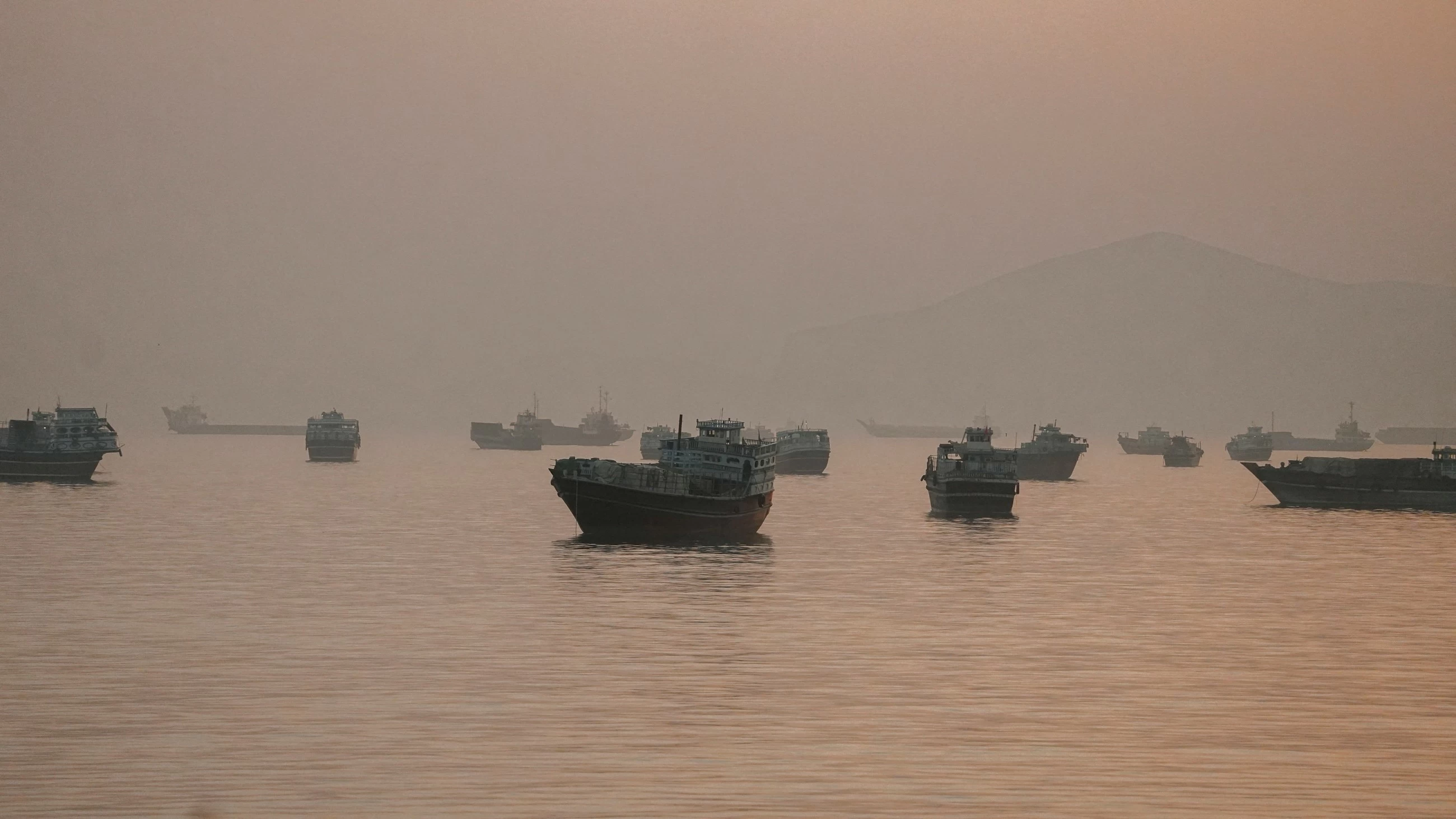
OPEC+ has approved a fourth increase in its oil output targets in as many months, signaling a continued effort to manage global supply amidst significant disruptions. The group's decision comes even as the ongoing conflict involving Iran continues to impede oil flows through the Strait of Hormuz, a critical chokepoint for global energy transport.
Since late February, several OPEC+ members have been unable to meet full demand from their customers due to these supply chain issues. The situation was further complicated by the United Arab Emirates' departure from the Organization of the Petroleum Exporting Countries after nearly six decades.
Seven core members of OPEC+, which includes OPEC nations and allies like Russia, have progressively increased their output quotas. From April to June, these increases amounted to nearly 600,000 barrels per day. On Sunday, the group decided to raise these targets by an additional 188,000 barrels per day starting in July, mirroring the June hike.
An OPEC+ production increase means very little while the Strait of Hormuz remains closed.
Jorge Leon, an analyst at Rystad and a former OPEC official, commented on the market's delicate balance. "An OPEC+ production increase means very little while the Strait of Hormuz remains closed," he stated. "When the Strait of Hormuz reopens, the market could move very quickly from fear of shortage to fear of surplus."
Oil prices have seen fluctuations, falling to around $93 a barrel on Friday as confidence grew that renewed conflict between the US and Iran was less likely. Prices had been near $72 before the war began. The current production increases are part of a gradual unwinding of a 1.65 million bpd cut agreed upon in 2023. If OPEC+ maintains its monthly hikes, the remaining cuts could be unwound by the end of September.
When the Strait of Hormuz reopens, the market could move very quickly from fear of shortage to fear of surplus.
DistantNews Editorial
Originally published by Gulf Today. Summarized and contextualized by our editorial team with added local perspective. Read our editorial standards.
More Stories



From Our Blog

What Gets Lost (and Found) When News Is Translated

The Critical Role of Diaspora Media in Global News

What Travellers Should Know About Countries with Restricted Press

A Digital Nomad's Guide to Following Local News

How the Same Story Looks Different in Different Countries
