


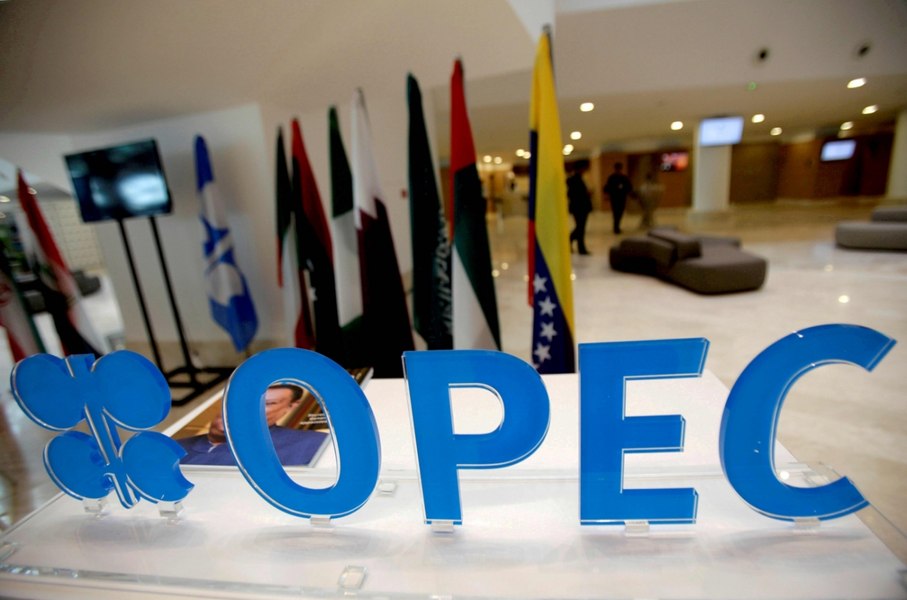
OPEC's future in doubt as internal quota disputes threaten oil price collapse
Translated from Romanian, summarized and contextualized by DistantNews.
At a glance
News
Named sources
Context piece
- OPEC faces an existential crisis due to internal disputes over production quotas, threatening to collapse oil prices.
- Tensions escalated with the UAE's departure and Iraq's threats to leave, forcing a critical decision between unity and revenue protection.
- Analysts warn that a sudden supply increase could overwhelm a weakened global market, with demand recovery uncertain.
OPEC is grappling with its most severe crisis in nearly 70 years, facing internal disputes that threaten its very survival and could flood the global market with oil. The organization's future hangs in the balance as member states clash over production quotas.
The gradual reopening of the Strait of Hormuz, previously blocked amid the Iran conflict, has ignited a fierce competition among OPEC members. Some nations are demanding substantial increases in their production quotas to offset recent financial losses. This internal friction has already led to the United Arab Emirates' departure in April, with Iraq also threatening a similar move.
OPEC stands at a critical strategic crossroads: maintain bloc unity at the risk of plummeting prices, or protect short-term revenues at the cost of the cartel's disintegration. While international markets experienced an acute fuel shortage in the spring, Middle Eastern countries held surplus reserves they could not export. The blockade of the Strait of Hormuz temporarily isolated a fifth of global oil supply, forcing countries like Iran, Iraq, and Kuwait to suspend much of their production, according to CNN.
With maritime traffic resuming, disputes over quotas have resurfaced. Iraq, OPEC's second-largest producer, saw its production drop by 75% during the crisis's peak. Baghdad is now seeking permission to pump a record 5 million barrels per day, with a long-term goal of reaching 7 million. Saudi Arabia, the group's most influential member, does not share the same urgency. Riyadh managed to partially maintain its exports during the conflict by using alternative pipelines to the Red Sea, experiencing a production drop of less than 40%.
Analysts warn that a sharp increase in OPEC's supply could exceed the market's absorption capacity. Global demand significantly decreased during the conflict due to record prices and shortages, and the pace of economic recovery remains uncertain, particularly in Europe and China, where the transition to electrification has accelerated. JPMorgan's head of global commodity strategy, Natasha Kaneva, stated that "the market faces the risk of a temporary glut as trapped oil re-enters a system that has learned to function without it for months." Although strategic reserves of major consumers, including the United States, have diminished by approximately 1.4 billion barrels since the crisis began, replenishing these stocks is estimated to be a lengthy process, expected around 2027.
the market faces the risk of a temporary glut as trapped oil re-enters a system that has learned to function without it for months.
DistantNews Editorial
Originally published by Adevărul in Romanian. Translated, summarized, and contextualized by our editorial team with added local perspective. Read our editorial standards.
More Stories


From Our Blog

What Gets Lost (and Found) When News Is Translated

The Critical Role of Diaspora Media in Global News

What Travellers Should Know About Countries with Restricted Press

A Digital Nomad's Guide to Following Local News

How the Same Story Looks Different in Different Countries
