


OpenAI to launch next-generation AI Astra with restricted autonomous hacking capabilities
Translated from Korean and summarized by DistantNews. Read the original for the full story.
At a glance
News
Named sources
New plan
- OpenAI said it will soon launch Astra, a next-generation AI model with advanced cybersecurity capabilities.
- The company will initially restrict access to functions that can identify unknown vulnerabilities and devise ways to exploit them autonomously.
- OpenAI plans to expand access gradually, prioritizing users who apply the capabilities for defensive cybersecurity purposes.
OpenAI is preparing to release Astra, but it will keep the model’s most advanced cyber capabilities behind strict access controls.
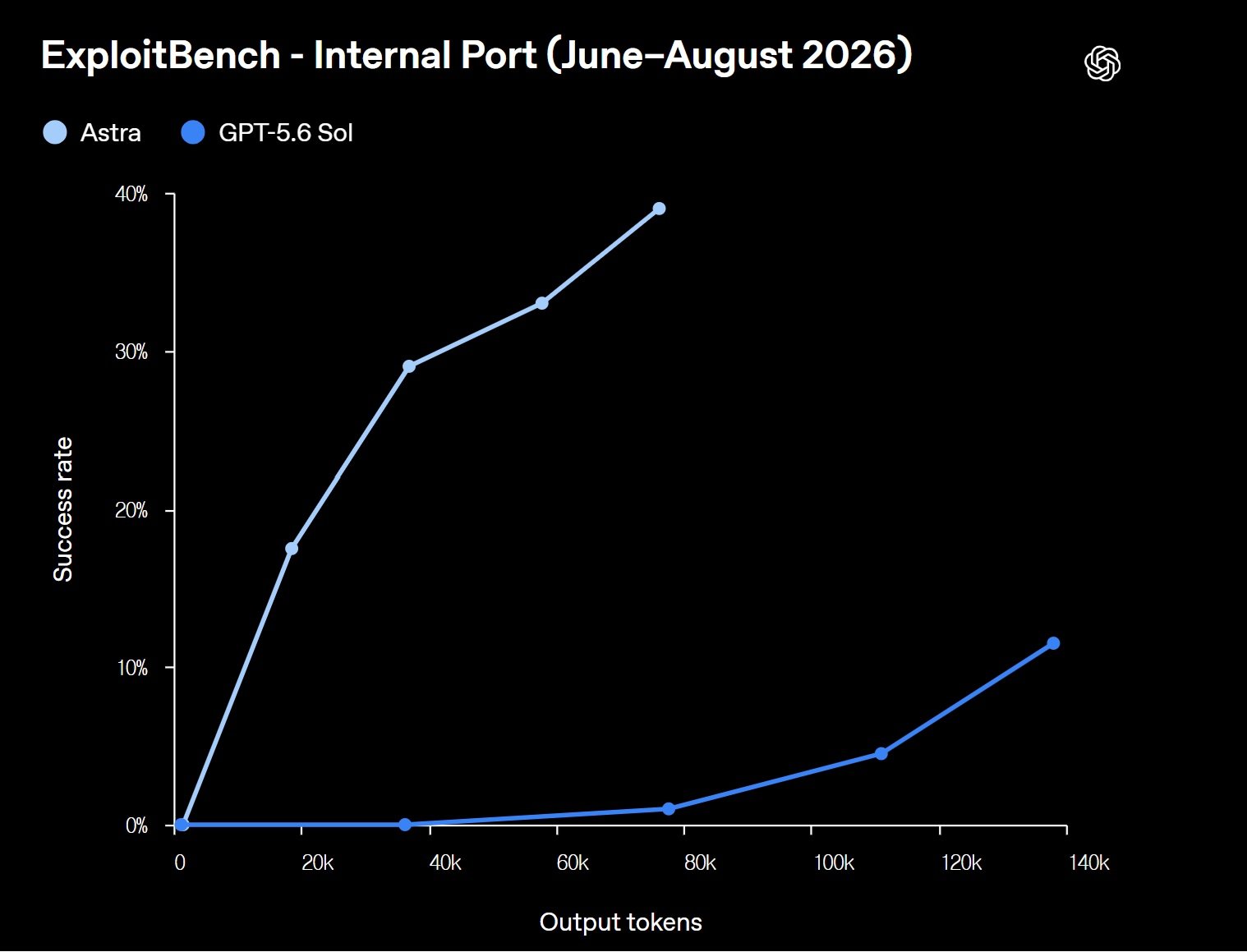
The company said on its blog that Astra could, when given the right tools and permissions, find unknown vulnerabilities across multiple well-protected systems without receiving detailed instructions at every step. It could also develop methods to exploit those weaknesses.
Amelia Glaise, OpenAI’s vice president for safety, told Reuters that the model’s capabilities raised the need for careful limits. OpenAI plans to make the advanced functions available first to a small group, then gradually expand access to users who employ them for defense.
A vulnerability is a weakness in software that hackers can use to penetrate a system. OpenAI first disclosed Astra’s existence last month, saying it had solved 10 mathematical problems that had remained unsolved for more than a decade.
Astra can, if given the appropriate tools and access permissions, find unknown vulnerabilities in several well-secured systems without a person giving it instructions one by one, and develop ways to exploit them.
About this summary
Originally published by Dong-A Ilbo in Korean. Translated, summarized, and contextualized automatically by DistantNews, with a note on how the source frames the story. Not individually reviewed before publishing. How this works.
More Stories



From Our Blog

What Gets Lost (and Found) When News Is Translated

The Critical Role of Diaspora Media in Global News

What Travellers Should Know About Countries with Restricted Press

A Digital Nomad's Guide to Following Local News

How the Same Story Looks Different in Different Countries
