

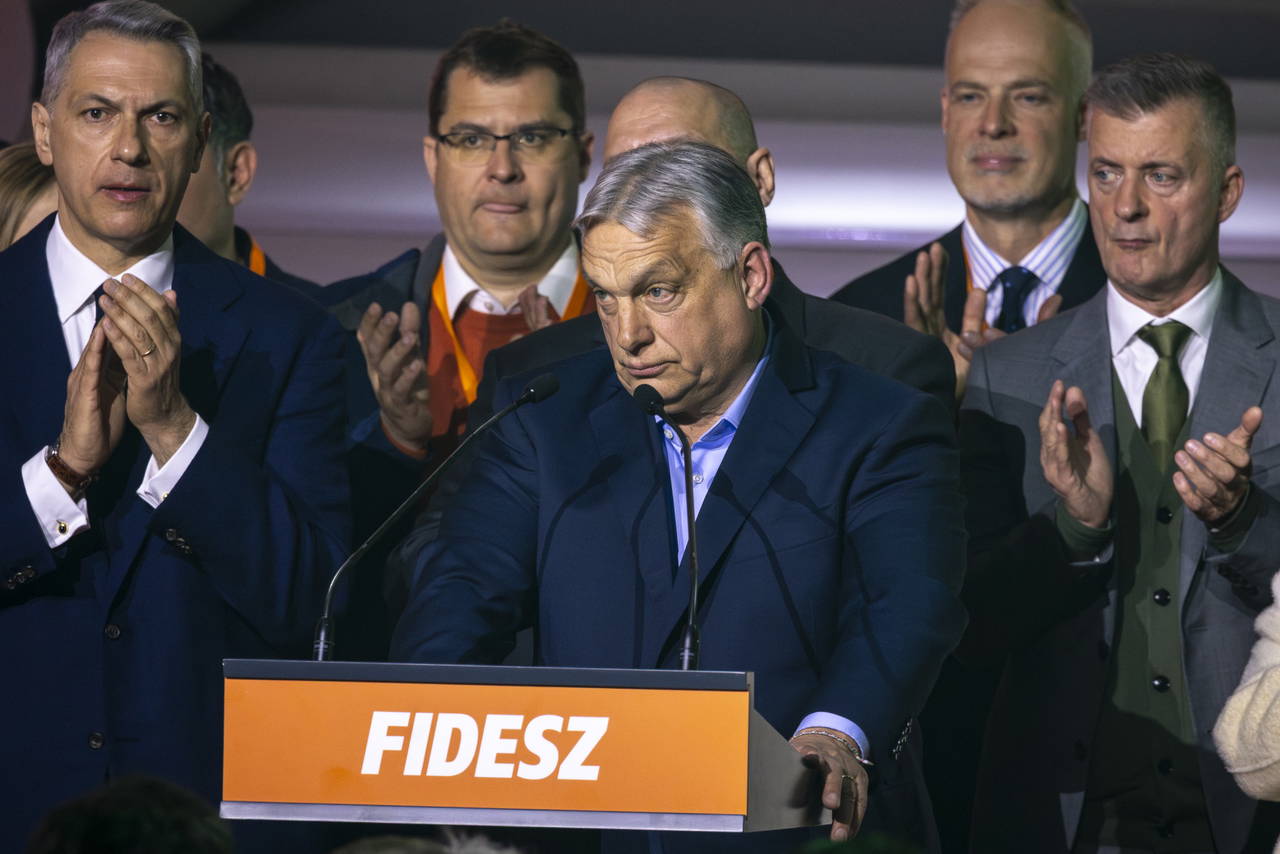
Orban re-elected Fidesz leader after election loss
Translated from Turkish, summarized and contextualized by DistantNews.
At a glance
News
From a news agency
Context piece
- Viktor Orban was re-elected as the leader of Hungary's Fidesz party at a congress, despite the party losing power in April elections.
- Orban accepted responsibility for the election defeat but vowed not to step down, signaling a period of adaptation for Fidesz as an opposition party.
- Fidesz's defeat marked the first time since 2010 that the party lost power, with the Tisza Party led by Peter Magyar securing a significant majority.
Viktor Orban has been re-elected as the general leader of Hungary's Fidesz party, securing another year at the helm during a party congress. This decision comes despite Fidesz losing its governing power to the centrist Tisza Party in the April elections.
Orban, a 62-year-old nationalist politician often seen as a key figure of "illiberal democracy" in conservative circles across Europe and the US, faced discussions about his political future after the election loss. Some former supporters within the party openly called for his retirement, marking the first such challenge since Fidesz first came to power in 2010. However, at the party congress, Orban received overwhelming support, with 729 out of 737 delegates voting for his reappointment. No rival candidates emerged.
In his speech, Orban accepted responsibility for the electoral defeat, declaring, "I am not giving up; never, never, never, never, never giving up." He acknowledged Fidesz's 16 years as a "very successful ruling party" but stressed the need for the party to adapt to a new era in opposition. Orban signaled a message of change within the party, stating that Fidesz must transform into a functional opposition party to regain power. The election saw Peter Magyar's Tisza Party achieve a two-thirds majority in parliament, enabling the reversal of constitutional changes made during Orban's tenure. Recent polls indicate a continued decline for Fidesz, with Tisza's support rising to 55% and Fidesz's falling to 17% in a May survey by Publicus Institute.
DistantNews Editorial
Originally published by Cumhuriyet in Turkish. Translated, summarized, and contextualized by our editorial team with added local perspective. Read our editorial standards.
More Stories


From Our Blog

What Gets Lost (and Found) When News Is Translated

The Critical Role of Diaspora Media in Global News

What Travellers Should Know About Countries with Restricted Press

A Digital Nomad's Guide to Following Local News

How the Same Story Looks Different in Different Countries
