

Orbán's Tusványos speech could be a manifesto for national renewal
Translated from Hungarian, summarized and contextualized by DistantNews.
At a glance
Analysis
Named sources
Context piece
- Political analyst Zoltán Lomnici Jr. suggested Viktor Orbán's upcoming speech at Tusványos could be a manifesto for the national side's renewal.
- He drew parallels to Orbán's 2002 speech after a defeat, which preceded a period of rebuilding and eventual electoral victory.
- The speech is expected to address past achievements, criticize current government actions, and outline a vision for the future of the right-wing in Hungary.
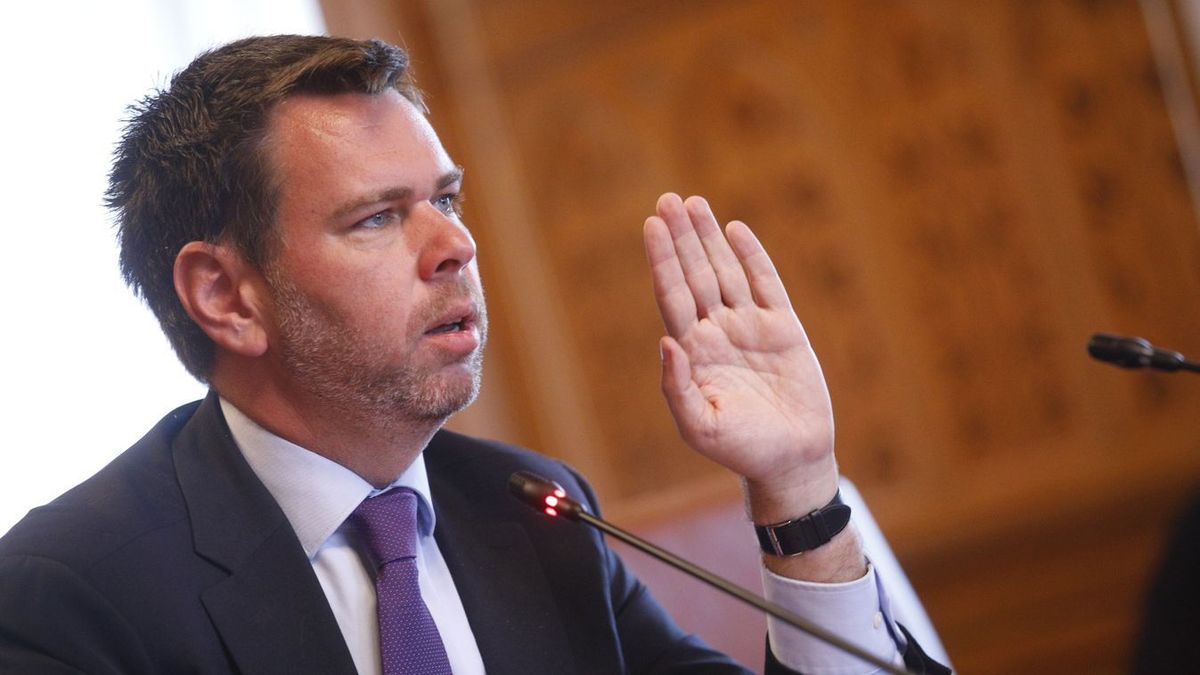
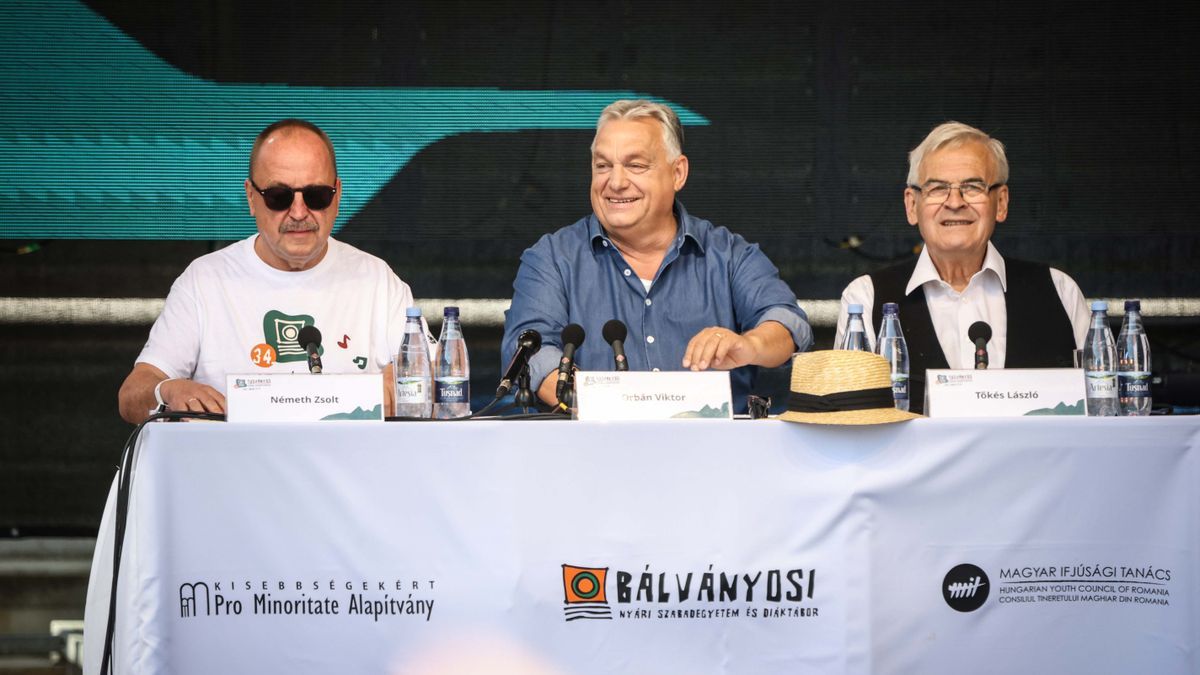
Political analyst Zoltán Lomnici Jr. believes Viktor Orbán's upcoming speech at the Bálványos Summer Free University and Student Festival, often called Tusványos, could serve as a manifesto for the renewal of Hungary's national political forces. Lomnici drew parallels to Orbán's pivotal 2002 speech, delivered after a governmental cycle and electoral setback, which heralded a period of rebuilding that ultimately led to an electoral victory eight years later.
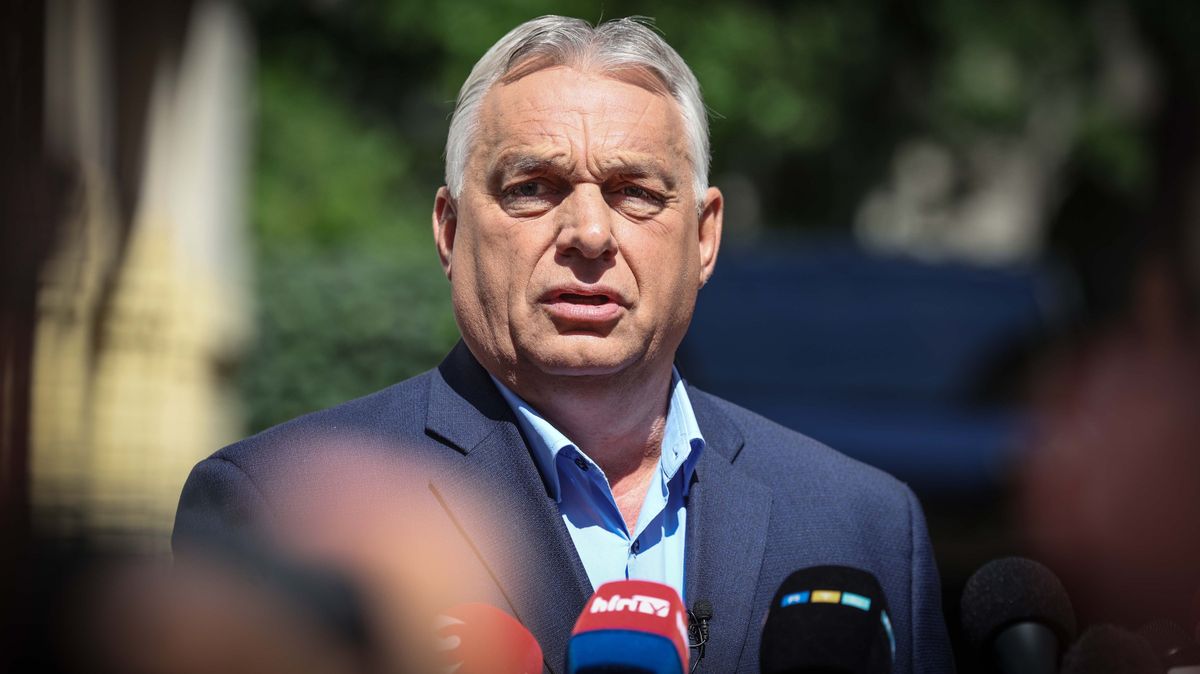
Orbán Viktor's speech on Saturday could be a historic milestone, recalling the situation in 2002 from several aspects.
Lomnici anticipates Orbán's address will simultaneously review the accomplishments of the past sixteen years and offer criticism of the current government's policies. He expects a defense of past achievements alongside critiques of actions such as retroactive legislation, the removal of the head of state, and the ideological filling of key positions. The analyst suggested that Orbán might invoke historical examples, like Winston Churchill's opposition years or Ronald Reagan's conservative political construction, to illustrate that electoral defeat is not an endpoint but a potential starting point for a new strategy.
This is the first time he will speak as an opposition leader at the Bálványos Summer Free University after the defeat in 2026. This parallels the turning point in 2002, when after the failure following the governing cycle, he announced the building of the civic world, which led to an electoral victory eight years later.
The central theme of the speech is likely to be renewal, addressing how Orbán evaluates the 2026 election defeat and the future vision he offers the right-wing community. Lomnici posits that recent political events, while challenging, present an opportunity for reorganization. Similar to the organization of civic circles in 2002 that laid the groundwork for future successes, a strategic renewal could begin now, potentially strengthening the right in the long term. Key elements expected to be highlighted include the protection of national sovereignty, family policy, and the preservation of past achievements, all placed within international contexts.
We can expect a defense of the achievements of the 16 years, as well as criticism of the Tisza government's steps, such as retroactive legislation, the removal of the head of state, or the filling of key positions on an ideological basis.
Orbán is also expected to frame Hungary's political processes within broader international dynamics, focusing on sovereignty against "Brussels centralization," migration issues, and a peace policy concerning the war in Ukraine. The ultimate message, Lomnici suggested, could be the national side's commitment to continuing its political work through peaceful, democratic, and parliamentary means, while also sketching a long-term vision for the coming years. The Tusványos festival itself promises a wide array of programs, including concerts, discussions, and political debates across numerous stages, with a particular focus on national policy and geopolitical challenges.
Similar to 2002, when the organization of civic circles laid the foundation for later successes, a strategic renewal could begin now, which could strengthen the right-wing again in the long term.
DistantNews Editorial
Originally published by Magyar Nemzet in Hungarian. Translated, summarized, and contextualized by our editorial team with added local perspective. Read our editorial standards.
More Stories
From Our Blog

Countries Without a Free Press: What You Need to Know

What Press Freedom Means for the News You Read

What Gets Lost (and Found) When News Is Translated

The Critical Role of Diaspora Media in Global News

What Travellers Should Know About Countries with Restricted Press
