


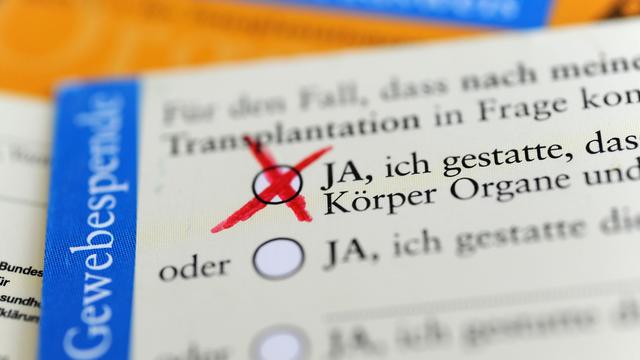
Organ donations increase in Berlin, but supply still lags demand
Translated from German, summarized and contextualized by DistantNews.
At a glance
News
Sources not specified
Context piece
- Berlin has seen a significant increase in organ donations this year, with 73 donor organs registered from January to May, compared to 39 in the same period last year.
- Nationally, organ donations rose by over 12 percent to 1,405 by the end of May, though the supply still falls short of the demand, with around 8,200 people on waiting lists in 2025.
- A debate is ongoing in Germany regarding a potential shift to a presumed consent system for organ donation, where individuals would be considered donors unless they explicitly opt out.
Berlin has experienced a surge in organ donations this year, with 73 donor organs registered between January and May. This marks a substantial increase from the 39 organs recorded in the same period of 2025, according to the German Organ Transplantation Foundation (DSO).
In Berlin, far more organs have been donated this year than in the same period last year.
Nationwide, organ donations also saw a rise of over 12 percent, reaching 1,405 by the end of May. Despite this positive trend, the number of donated organs remains insufficient to meet the needs of patients on waiting lists. In 2025, approximately 8,200 individuals were awaiting transplants, while only 3,150 received them. In Berlin alone, over 400 people are on the waiting list, with nearly 140 organs transplanted so far this year.
Nationwide, organ donations rose by a good twelve percent: by the end of May, there were 1,405.
The article highlights an ongoing discussion in Germany about reforming organ donation laws. Unlike many European countries, Germany requires explicit consent from donors or their families for organ removal. A cross-party group of lawmakers is advocating for a new system, proposed to take effect in 2030, where all adults would be presumed organ donors unless they actively opt out. This proposal has sparked an ethical debate, with some politicians warning that such a change could infringe on fundamental rights.
However, the donated organs were still not enough nationwide to enable all patients on the waiting lists to receive a transplant.
DistantNews Editorial
Originally published by Die Zeit in German. Translated, summarized, and contextualized by our editorial team with added local perspective. Read our editorial standards.
More Stories

From Our Blog

What Gets Lost (and Found) When News Is Translated

How the Same Story Looks Different in Different Countries

The Critical Role of Diaspora Media in Global News

What Travellers Should Know About Countries with Restricted Press

A Digital Nomad's Guide to Following Local News
