


Organized Crime: Berlin pushes for investigators' access to tax data
Translated from German, summarized and contextualized by DistantNews.
At a glance
News
Named sources
New plan
- Berlin's justice senator is pushing for investigators to gain access to tax data to combat organized crime.
- Current limitations prevent investigators from fully assessing assets, hindering efforts to confiscate illicit gains.
- A proposal will be submitted to federal ministers to explore legal avenues for accessing tax information while respecting taxpayer privacy.
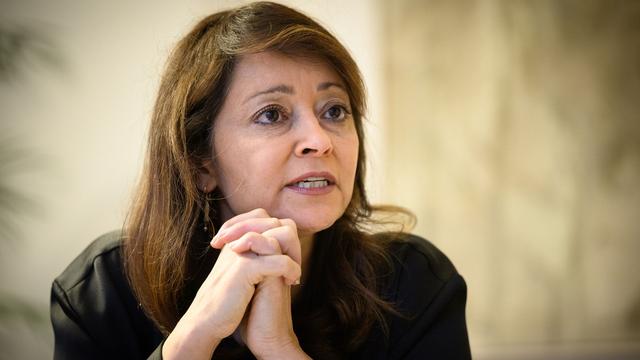
Berlin's Justice Senator Felor Badenberg is advocating for investigators to have access to tax data as a crucial tool in the fight against organized crime. She argues that effectively confiscating criminal assets hinges on a complete understanding of individuals' financial holdings.
Badenberg highlighted that current legal restrictions prevent investigative authorities from accessing vital tax information. This limitation obstructs the tracing of assets with unclear origins and weakens a key instrument in combating serious and organized criminal activities. The senator plans to present a motion at the upcoming Justice Ministers' Conference in Hamburg.
The proposal aims to enable the utilization of tax-related findings, requesting that Federal Justice Minister Stefanie Hubig and Federal Finance Minister Lars Klingbeil examine the legal possibilities. The objective is to find a way to access this data without violating existing tax secrecy laws.
The principle that criminal gains should not be profitable for offenders is a cornerstone of law enforcement. Despite a reform in 2017 aimed at improving asset recovery, authorities often struggle to seize assets that have been judicially frozen. Badenberg believes that restricting tax secrecy is a necessary step to overcome these challenges.
DistantNews Editorial
Originally published by Die Zeit in German. Translated, summarized, and contextualized by our editorial team with added local perspective. Read our editorial standards.
More Stories


From Our Blog

What Gets Lost (and Found) When News Is Translated

How the Same Story Looks Different in Different Countries

The Critical Role of Diaspora Media in Global News

What Travellers Should Know About Countries with Restricted Press

A Digital Nomad's Guide to Following Local News
