

Orlík Dam Water Levels Hit 44-Year Low Amid Extreme Drought
Translated from Czech, summarized and contextualized by DistantNews.
At a glance
News
Sources not specified
Context piece
- Water levels in the Orlík Dam, the largest Czech reservoir, are at their lowest in 44 years, with a deficit of ten meters below normal.
- Several major Czech rivers, including the Labe, Otava, Radbuza, Sázava, and Morava, are experiencing critically low water levels.
- Experts warn that the current drought situation in the Czech Republic is extreme.
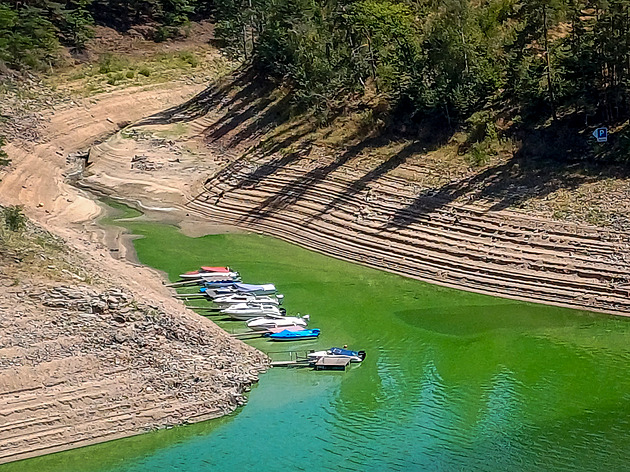
The Orlík Dam, the Czech Republic's largest reservoir, is experiencing its most severe water shortage in 44 years. Water levels are ten meters below normal, with the maximum capacity another four meters higher. This critical situation reflects a broader drought affecting the country, with major rivers like the Labe, Otava, Radbuza, Sázava, and Morava also seeing significantly reduced flows.
Experts have issued stark warnings about the extreme nature of the current drought. The visible impact on the Orlík Dam, a vital water source, underscores the severity of the environmental challenge. The diminishing water reserves pose significant risks to ecosystems, agriculture, and potentially drinking water supplies if the situation persists.
Water levels in the Orlík Dam are ten meters below normal.
The ongoing drought highlights the vulnerability of water resources to climate fluctuations. The stark figures from the Orlík Dam serve as a potent symbol of the widespread water scarcity affecting the Czech Republic. Authorities and environmentalists are closely monitoring the situation, with concerns growing about long-term consequences.
The situation is extreme.
DistantNews Editorial
Originally published by iDNES in Czech. Translated, summarized, and contextualized by our editorial team with added local perspective. Read our editorial standards.
More Stories
From Our Blog

What Gets Lost (and Found) When News Is Translated

The Critical Role of Diaspora Media in Global News

What Travellers Should Know About Countries with Restricted Press

A Digital Nomad's Guide to Following Local News

How the Same Story Looks Different in Different Countries
