

Osoyoos Band seeks return of sacred sites in discussions with B.C. government
Summarized and contextualized by DistantNews.
At a glance
News
Named sources
Context piece
- The Osoyoos Indian Band is negotiating with the British Columbia government for a land swap, seeking the return of culturally significant sites.
- The band is not requesting title to private property but is negotiating for Crown land of comparable value.
- Chief Clarence Louie emphasized the importance of reclaiming ancestral burial sites and landmarks, referring to them as the community's "churches."
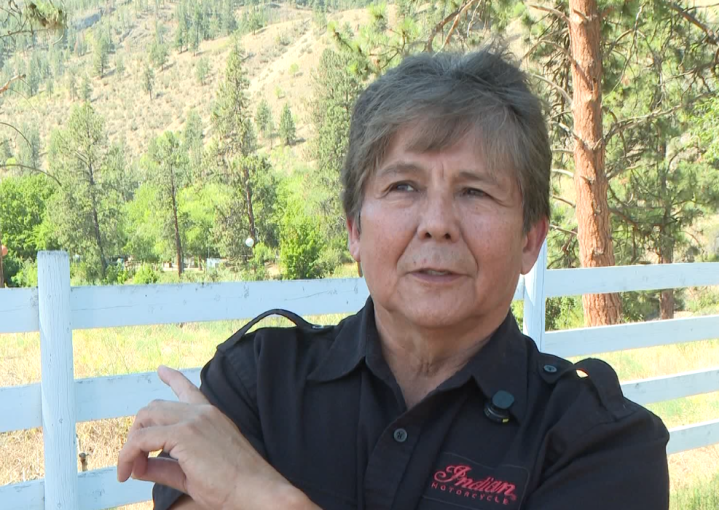
The Osoyoos Indian Band is engaged in significant land negotiations with the British Columbia government, aiming to reclaim culturally vital sites that were taken over a century ago. Chief Clarence Louie clarified that the band is not seeking ownership of any private property but is pursuing a land swap involving Crown land of equivalent value.
They want the highway that goes through our reserve. They are demanding it. We want our old reserve lands back. Call it a land swap.
Louie explained that the negotiations focus on regaining access to historically significant areas, including ancestral burial grounds and natural landmarks that hold deep spiritual meaning for the community. He likened these sites to the community's "churches," underscoring their profound importance. The band seeks to recover these lands while allowing existing highways that traverse reserve areas to remain open.
Property owners have nothing to worry about. No private property has been on the table. No one needs to be concerned about their private property.
Contrary to potential misconceptions, Louie assured that nearby homeowners have no cause for concern, as private property is not part of the land claim discussions. The negotiations are strictly centered on Crown land parcels.
Natives didn’t have churches. We had landmarks, like Spotted Lake, that’s our church. We want our churches back, and we want our grave sites back.
B.C. Minister of Indigenous Relations and Reconciliation Spencer Chandra Herbert views these collaborative negotiations as a more efficient method for resolving historical land disputes compared to lengthy court battles. He highlighted the benefits of finding mutual interests and working together to achieve more productive outcomes.
You actually get more done when you work together. When you find mutual interest you get more out of it.
DistantNews Editorial
Originally published by Global News. Summarized and contextualized by our editorial team with added local perspective. Read our editorial standards.
More Stories

From Our Blog

What Gets Lost (and Found) When News Is Translated

The Critical Role of Diaspora Media in Global News

What Travellers Should Know About Countries with Restricted Press

A Digital Nomad's Guide to Following Local News

How the Same Story Looks Different in Different Countries
