

Outsourcing as a policy
Summarized and contextualized by DistantNews.
At a glance
Analysis
Sources not specified
Context piece
- Punjab, Pakistan, has outsourced 18,000 primary schools to the private sector and plans to expand this to middle and high schools, as well as colleges.
- The government argues outsourcing is cheaper than direct provision, but costs have risen, and effective regulation of private providers is challenging and costly.
- Critics point out that cost savings are often overstated, as private sector teachers are paid less than government employees, and the government is developing regulatory systems that add expense.
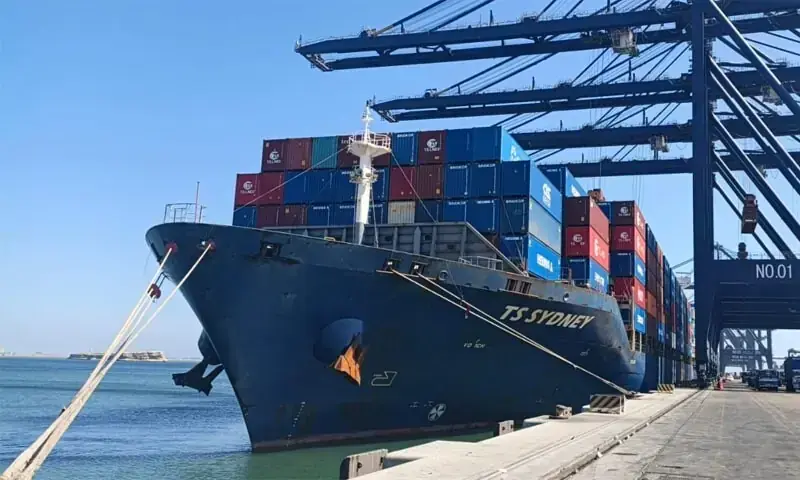
Punjab, Pakistan, is increasingly turning to outsourcing educational institutions, with 18,000 primary schools already transferred to the private sector and plans to extend this to higher education. This trend is not limited to schools; the health sector has also seen significant public-private partnerships, and federal and provincial governments are considering outsourcing airports and ports.
The primary argument for outsourcing education is cost savings for the government. Initially, Punjab paid around 800 Pakistani rupees per child to private schools, while its own per-child expenditure was about 2,500 rupees. However, this cost advantage is diminishing. The government's transfer payments have increased to about 1,500 rupees per child, with further increases anticipated due to incentive structures for private providers, potentially raising the average to 2,000 rupees.
Beyond rising costs, the effectiveness of outsourcing is questioned due to regulatory challenges. The education department is still developing mechanisms to oversee the 18,000 outsourced schools, including checks on enrollment, attendance, teaching quality, student performance, and infrastructure. Establishing and maintaining such a system across the province is complex and incurs its own costs, likely increasing the overall per-child expenditure.
Furthermore, the cost difference is partly reflected in teacher compensation. Government teachers receive salaries and benefits significantly above the minimum wage, including pensions and job security, which private sector educators often lack. This disparity raises questions about the true long-term benefits and equity of outsourcing education.
DistantNews Editorial
Originally published by Dawn. Summarized and contextualized by our editorial team with added local perspective. Read our editorial standards.
More Stories


From Our Blog

What Gets Lost (and Found) When News Is Translated

The Critical Role of Diaspora Media in Global News

What Travellers Should Know About Countries with Restricted Press

A Digital Nomad's Guide to Following Local News

How the Same Story Looks Different in Different Countries
