


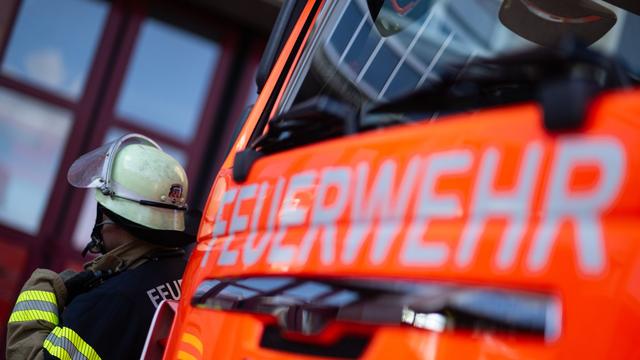
Over 30 Emergency Calls After Severe Storm in Ludwigsburg District
Translated from German and summarized by DistantNews. Read the original for the full story.
At a glance
News
Sources not specified
Context piece
- A severe storm in Germany's Ludwigsburg district caused fallen trees and flooded underpasses, prompting over 30 emergency responses from fire departments.
- The affected areas included Markgröningen, Freiberg am Neckar, and Bietigheim-Bissingen.
- The German Weather Service warned of further severe weather, including heavy rain, hurricane-force gusts, and large hail.
Severe weather swept through Germany's Ludwigsburg district, triggering more than 30 emergency responses from local fire departments. The storm, which occurred early on August 28, 2026, left a trail of damage, primarily characterized by fallen trees and flooded railway underpasses. The most heavily impacted areas included the towns of Markgröningen, Freiberg am Neckar, and Bietigheim-Bissingen.
Authorities reported that fire departments were actively engaged in clearing debris and addressing waterlogged infrastructure throughout the morning. The extent of the damage necessitated a significant mobilization of emergency services to manage the aftermath of the storm's fury.
Looking ahead, the German Weather Service (DWD) issued further warnings for the region. Residents were alerted to the possibility of continued severe weather throughout the day. Forecasts indicated the potential for intense rainfall, with accumulations of up to 40 liters per square meter in a short period. Additionally, the DWD predicted hurricane-force wind gusts reaching speeds of approximately 110 kilometers per hour and the possibility of hail stones measuring up to three centimeters in size.
About this summary
Originally published by Die Zeit in German. Translated, summarized, and contextualized automatically by DistantNews, with a note on how the source frames the story. Not individually reviewed before publishing. How this works.
More Stories
From Our Blog

What Gets Lost (and Found) When News Is Translated

How the Same Story Looks Different in Different Countries

The Critical Role of Diaspora Media in Global News

What Travellers Should Know About Countries with Restricted Press

A Digital Nomad's Guide to Following Local News
