

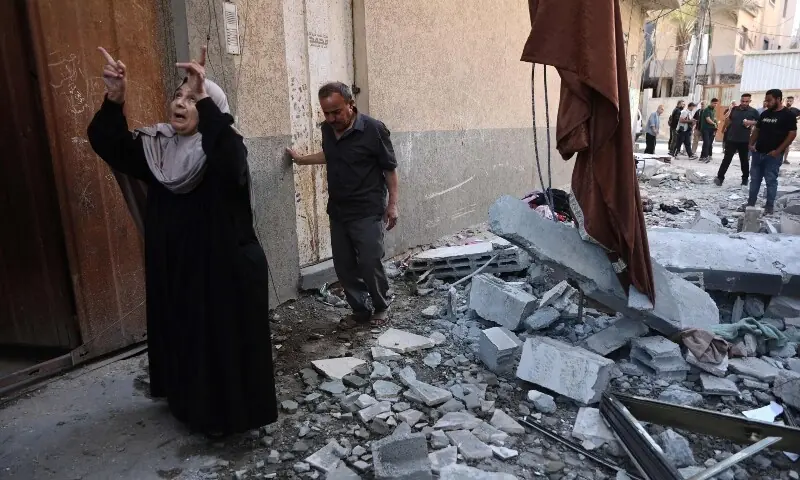

Pakistan brokers US-Iran deal amid regional conflict
Translated from English, summarized and contextualized by DistantNews.
At a glance
News
Sources not specified
Context piece
- Pakistan brokered a US-Iran agreement, raising hopes for Middle East peace and earning praise for its leadership.
- The deal, however, is seen as a temporary stabilization mechanism rather than a resolution to underlying disputes, with Iran emerging strategically stronger.
- The article uses the US-Iran deal and domestic Pakistani unrest to advocate for dialogue, diplomacy, and peaceful resolution of political grievances.
Pakistan is celebrating its role in brokering a landmark US-Iran agreement, an achievement that has raised hopes for peace in West Asia and the Middle East. The nation's current leadership is receiving accolades for this diplomatic success, which has been described as pulling off a significant deal.
HOW did the world’s richest nation armed with the most powerful military arrive at this strategic defeat?
However, the agreement is characterized as more of a temporary stabilization mechanism following a costly confrontation, rather than a resolution to the disputes that led to the war. Analysts suggest that Iran has emerged strategically stronger from the conflict, and Washington has lost global credibility. Israel is identified as a major loser, with the preliminary agreement deemed "terrible" by a senior Israeli official.
There will be no deal with Iran except unconditional surrender.
The article draws parallels between international diplomacy and domestic stability, emphasizing that solutions cannot be achieved through force. It highlights the importance of dialogue and diplomacy as effective tools to transcend differences and foster mutual understanding, citing Pakistan's ambassador to the UN. Domestically, the ongoing unrest in Azad Jammu and Kashmir is seen as damaging Pakistan's reputation, with a call to resolve political grievances through democratic, constitutional, and peaceful means.
Iran is actually stronger now relative to their position in the Middle East than they were prior to this war.
DistantNews Editorial
Originally published by Dawn in English. Translated, summarized, and contextualized by our editorial team with added local perspective. Read our editorial standards.
More Stories
From Our Blog

What Gets Lost (and Found) When News Is Translated

The Critical Role of Diaspora Media in Global News

What Travellers Should Know About Countries with Restricted Press

A Digital Nomad's Guide to Following Local News

How the Same Story Looks Different in Different Countries
