


Pakistan leads global progress in bridging mobile gender gap
Translated from English, summarized and contextualized by DistantNews.
At a glance
News
Documents & data
Context piece
- Pakistan has shown the most significant improvement globally in narrowing the gender gap in mobile ownership, reducing it from 37% in 2024 to 27% in 2025.
- The country also saw a dramatic reduction in the mobile internet gender gap, falling from 25% to 8% in one year, with women's usage increasing substantially.
- Owning a personal smartphone is crucial for digital engagement, as 94% of women with smartphones use mobile internet daily compared to 48% of those sharing devices.
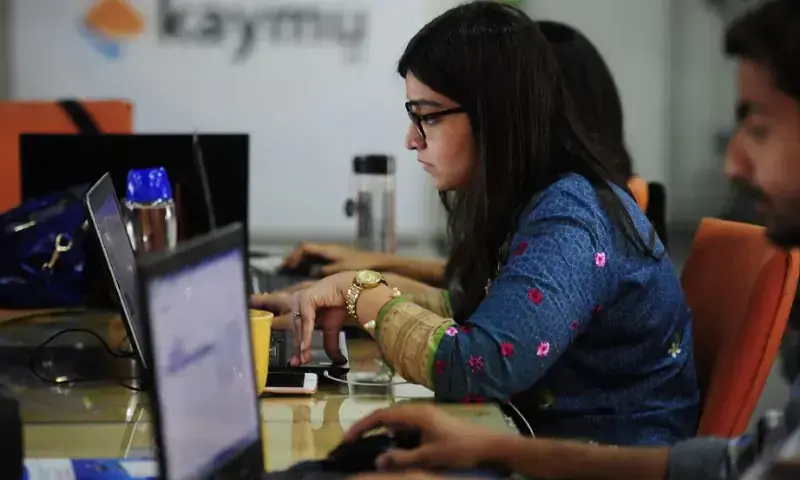
Pakistan has emerged as a global leader in reducing the gender gap in mobile ownership, according to the GSMA Mobile Gender Gap Report 2026. The gap significantly narrowed from 37% in 2024 to 27% in 2025, marking Pakistan as the most improved nation among all surveyed countries. The report also highlighted Pakistan's strong performance in other indicators of women's digital access and usage within the 14 low- and middle-income countries studied.
A particularly striking finding was the rapid decrease in the mobile internet gender gap, which plummeted from 25% to just 8% within a single year. This dramatic improvement was driven by a significant increase in women's mobile internet usage, while men's usage remained relatively stable. This indicates strong, independent momentum in women's digital adoption across the country.
Pakistan stands out as one of the strongest performers among the countries surveyed. This substantial reduction in the gender gap reflects meaningful progress driven by collective effort. Ensuring women have access to their own devices and a supportive digital ecosystem will be critical to maintaining this momentum.
The report emphasizes the critical role of personal device ownership in facilitating meaningful digital engagement. It found that 94% of women who own a smartphone use mobile internet daily, a stark contrast to the 48% of women who rely on shared devices. Mobile phones and internet access are presented as life-changing resources, enabling connections, access to vital information, healthcare, education, income opportunities, e-commerce, and financial services.
Julian Gorman, head of Asia Pacific at GSMA, praised Pakistan's progress, stating, "Pakistan stands out as one of the strongest performers among the countries surveyed. This substantial reduction in the gender gap reflects meaningful progress driven by collective effort." He stressed the importance of ensuring women have access to their own devices and a supportive digital ecosystem to maintain this momentum. While Pakistan leads in improvement, only Sri Lanka and Mexico have achieved gender parity in mobile internet use among the surveyed nations. Industry leaders, like Aamir Ibrahim, chairman of the Telecom Operators’ Association, acknowledged Pakistan's achievement as a significant milestone, underscoring the power of collaboration between government, industry, and stakeholders for digital inclusion.
Pakistan’s progress in narrowing the gender gap in mobile ownership and internet use is a significant achievement and demonstrates what is possible when government, industry, and other stakeholders work toward a shared goal of digital inclusion.
DistantNews Editorial
Originally published by Dawn in English. Translated, summarized, and contextualized by our editorial team with added local perspective. Read our editorial standards.
More Stories

From Our Blog

What Gets Lost (and Found) When News Is Translated

The Critical Role of Diaspora Media in Global News

What Travellers Should Know About Countries with Restricted Press

A Digital Nomad's Guide to Following Local News

How the Same Story Looks Different in Different Countries
