


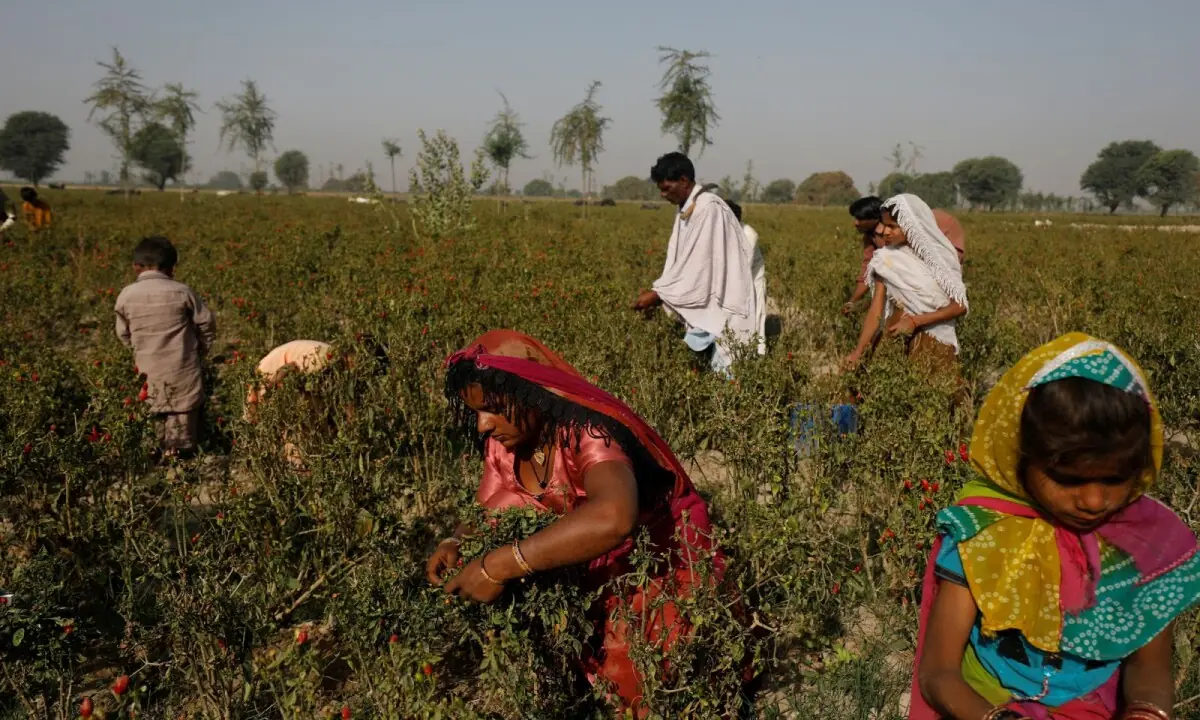
Pakistan publishes its agriculture census, revealing the federation beneath our fields
Summarized and contextualized by DistantNews.
At a glance
News
Documents & data
Context piece
- Pakistan's 2024 Agricultural Census reveals significant changes in farming, including shrinking farm sizes and a rise in fragmented landholdings.
- The census indicates a shift from canal irrigation to private groundwater use and a growing solar energy adoption in agriculture.
- Livestock growth has outpaced crop acreage, while inheritance laws contribute to land fragmentation.
Pakistan's latest Agricultural Census, the seventh of its kind and the first to integrate agriculture, livestock, and farm machinery digitally, paints a complex picture of the nation's agrarian landscape. Conducted between September 2024 and February 2025 using a sample-based approach with GIS mapping and real-time monitoring, the census provides the most systematic national overview of the sector, though its methodology warrants scrutiny.
A key finding is the continued fragmentation of farmland. The number of farms has increased by 34% since 2010, reaching 11.1 million, while the total farm area grew by only 12%. This has led to a decrease in average farm size from 6.4 to 5.3 acres. More concerning is the rise in fragmented farms, which increased from 2.83 million to 4.98 million, with the average number of separate plots per holding jumping from three to seven.
This fragmentation presents significant challenges. Scattered parcels increase the time and cost associated with farming operations like ploughing and irrigation. It diminishes the return on investments in land leveling or tubewells and exacerbates boundary disputes. Furthermore, it makes the use of machinery, which requires economies of scale, less accessible for smallholders.
The census also highlights a shift in water sources, with a move from state-managed canals to private groundwater. A "solar revolution" is also underway in the fields, indicating increased adoption of solar energy. Livestock numbers have grown substantially, outpacing the expansion of crop acreage. However, the report notes that inheritance practices, where land is divided among heirs, contribute significantly to fragmentation, compounded by instances where women are denied their rightful shares, linking land division with gender injustice.
DistantNews Editorial
Originally published by Dawn. Summarized and contextualized by our editorial team with added local perspective. Read our editorial standards.
More Stories


From Our Blog

What Gets Lost (and Found) When News Is Translated

The Critical Role of Diaspora Media in Global News

What Travellers Should Know About Countries with Restricted Press

A Digital Nomad's Guide to Following Local News

How the Same Story Looks Different in Different Countries
