



Pakistan's HIV crisis: Task force recommendations met with silence amid rising child infections
Translated from English, summarized and contextualized by DistantNews.
At a glance
News
Sources not specified
Ongoing story
- Pakistan faces a growing HIV epidemic among children, with reports indicating infections through healthcare practices.
- A government task force recommended sweeping changes to injection safety and syringe regulations, but progress remains unclear.
- The estimated HIV burden in Pakistan has significantly increased, highlighting systemic governance failures in the health sector.
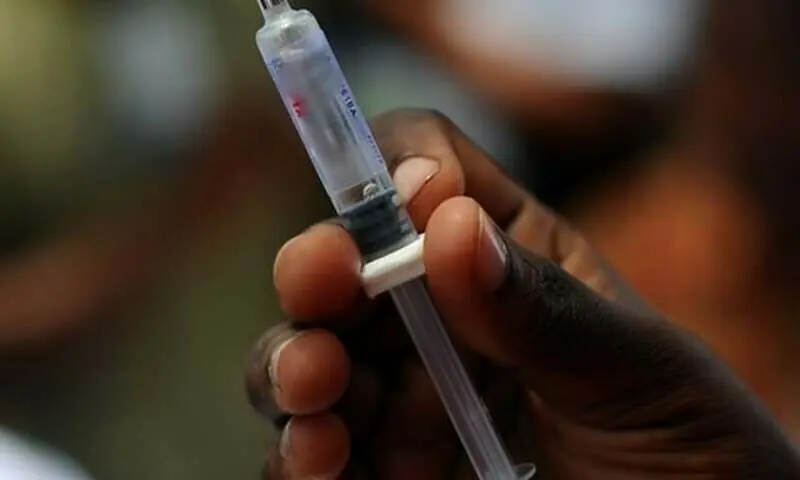
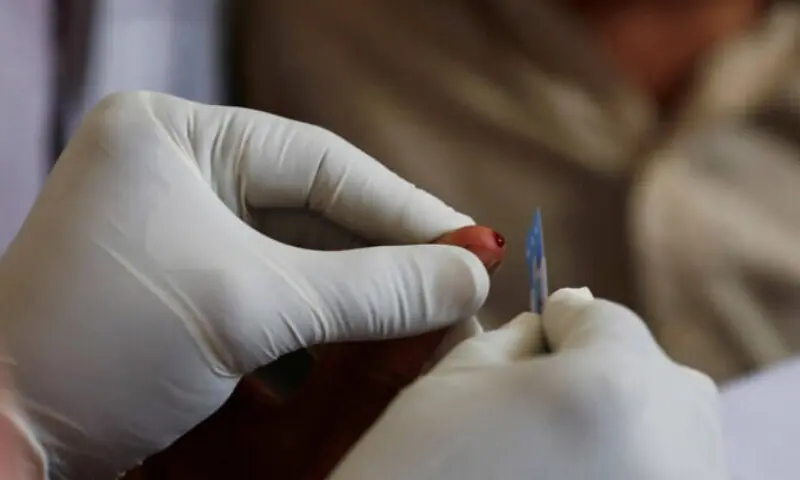
Pakistan's healthcare system is under scrutiny as a growing number of children contract HIV, a situation described as a window into the system's broader failings. Following an outbreak and a critical BBC documentary, the Punjab government initially defended its actions but later established a task force to address the mishandling of HIV cases.
This task force, led by the state minister of health, convened experts and produced a comprehensive report on governance, administrative, and technical issues. The report was submitted to the prime minister, who reportedly accepted most recommendations. However, since a meeting on July 3, 2026, there has been silence regarding official minutes or decisions to implement the proposed changes.
My job is making windows where there were once walls
Meanwhile, reports of children contracting HIV in government health facilities persist across the country, including in Sindh, Hyderabad, and Khairpur. Experts describe these cases as the "tip of the iceberg," suggesting the problem is systemic and reflects a general governance failure. While some punitive actions are being taken in Sindh, the underlying issues remain unresolved.
The scale of the epidemic is alarming. Pakistan's estimated HIV burden rose dramatically from about 67,000 cases in 2010 to an estimated 210,000-240,000 by 2021-2022. Diagnosed cases also saw a significant jump from over 6,000 in 2010 to about 84,421 by December 2025. The task force's recommendations focused on eight priority areas, including injection safety and stringent syringe regulations, but the lack of transparency and follow-up raises concerns about the government's commitment to addressing this critical public health crisis.
it is the tip of the iceberg
DistantNews Editorial
Originally published by Dawn in English. Translated, summarized, and contextualized by our editorial team with added local perspective. Read our editorial standards.
More Stories

From Our Blog

What Gets Lost (and Found) When News Is Translated

The Critical Role of Diaspora Media in Global News

What Travellers Should Know About Countries with Restricted Press

A Digital Nomad's Guide to Following Local News

How the Same Story Looks Different in Different Countries
