

Pakistan's neglected local bodies at center of political disputes
Translated from English, summarized and contextualized by DistantNews.
At a glance
News
Named sources
Context piece
- Pakistan's local government system faces neglect and obstacles, with ruling parties frequently delaying elections.
- Political disputes between the PPP and PML-N highlight the structural issues preventing regular local polls and effective governance.
- Experts call for constitutional amendments and clearer provincial laws to devolve power and ensure local bodies can function independently.
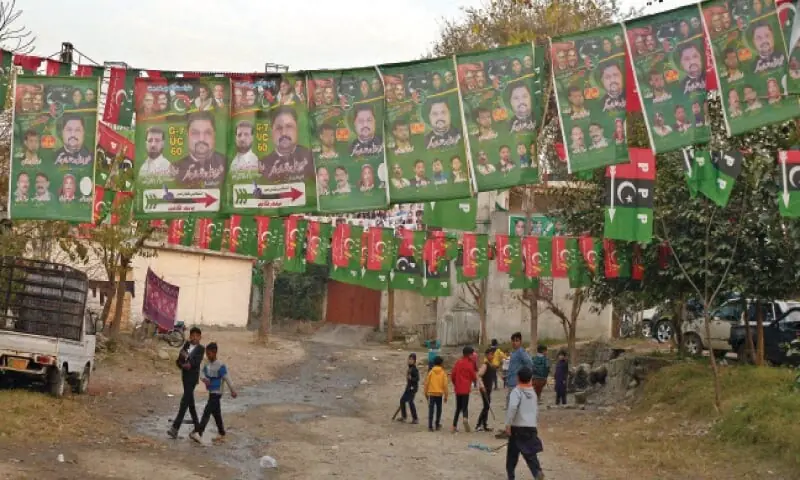
Pakistan's local bodies, crucial for effective civic governance, remain the most neglected tier of government. Despite military regimes holding local elections, democratic governments have consistently created obstacles, leaving cities and towns without responsive local representation.
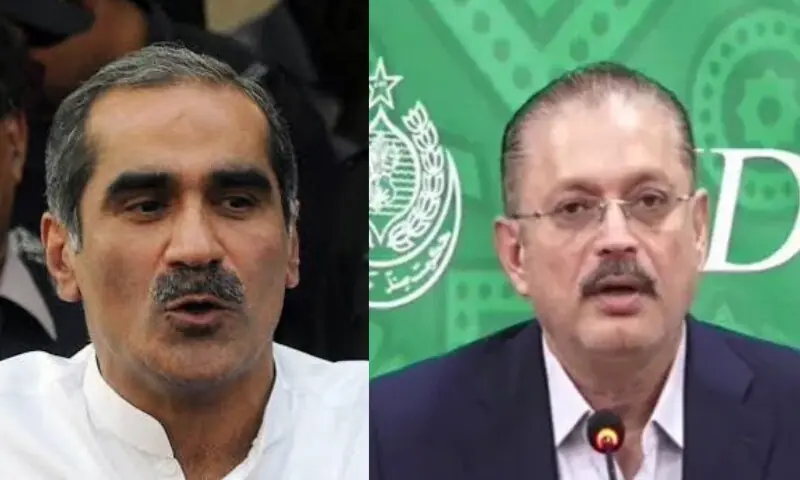
The current political bickering between coalition partners PPP and PML-N over the state of local governments in their respective provinces has brought the issue back into focus. PPP chief Bilawal Bhutto-Zardari challenged the PML-N to hold local polls in Punjab and Islamabad within 90 days. Punjab has been without elected local bodies since December 2021 due to frequent changes in provincial law.
PML-N leader Saad Rafique countered, suggesting local polls should not mirror Sindh's pattern. This exchange, however, revealed deeper structural gaps that hinder regular local elections and the establishment of smoothly functioning local bodies. Provincial ruling parties cannot arbitrarily decide election timelines; a clear schedule and defined powers for local governments are essential.
While Article 140-A of the Constitution mentions the local government system, experts argue for greater clarity through a constitutional amendment to prevent provincial governments from evading their duty. Beyond election schedules, the powers of local bodies need definition. Even in Sindh, which has held local polls, key civic functions like waste management and water supply are managed provincially. The mayor of Karachi, for instance, appears subordinate to the provincial government.
Successful local governance in Pakistan requires constitutional guidelines coupled with progressive provincial laws that devolve power. Each jurisdiction needs tailored solutions, as the civic challenges of Turbat differ vastly from Lahore. Local administrations must possess the financial and administrative tools to address their own problems without relying on provincial bureaucracy. All parties share blame for blocking reform, and they must prioritize grassroots democracy over narrow interests.
DistantNews Editorial
Originally published by Dawn in English. Translated, summarized, and contextualized by our editorial team with added local perspective. Read our editorial standards.
More Stories

From Our Blog

What Gets Lost (and Found) When News Is Translated

The Critical Role of Diaspora Media in Global News

What Travellers Should Know About Countries with Restricted Press

A Digital Nomad's Guide to Following Local News

How the Same Story Looks Different in Different Countries
